IṢẸ́ ỌNÀ
ẸWÀ ÀTI ÌLERA
IṢẸ́ ỌWỌ́
ÀṢÀ ÀTI ÌTÀN
ÌṢERÉ
ÀYÍKÁ
OÚNJẸ ÀTI OHUN MÍMU
REVERSE ENGINEERING
SÁYẸ́ǸSÌ
ERÉ ÌDÁRAYÁ
ÌMỌ̀-Ẹ̀RỌ
ÀWỌN OHUN WÍWỌ̀
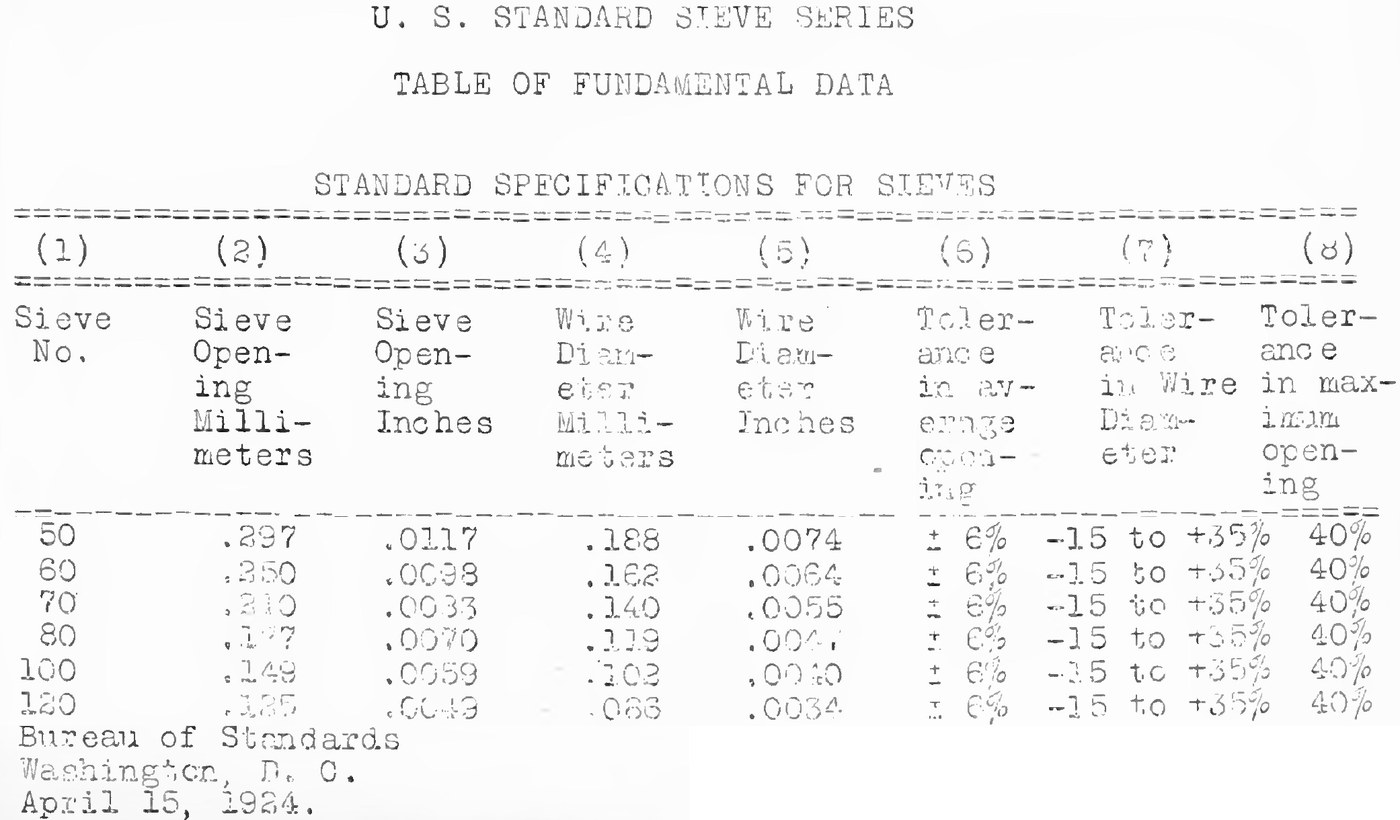

60-Mesh and 80-Mesh Sieves: U.S. Standard Sieves No. 60 and No. 80 (Bureau of Standards, 1924)
Two standard testing sieves made the same way; only the wire and the opening change with the sieve number. Plain-woven brass or bronze wire cloth is soldered smoothly into a round frame about 20 cm (8 in) across.
No. 60 has 0.250 mm openings (the 60-mesh sieve); No. 80 has 0.177 mm openings (the 80-mesh sieve). The finer the cloth, the finer the grains that pass.
Source: Bureau of Standards, Letter Circular 74, Standard Specifications for Sieves (revised 1924). Unknown: the frame metal and the weaving. Picture: the Bureau's table.
Àárín
Unknown
Ìlànà
1
1
Choose the sieve number
Choose the sieve number
The sieve number sets the wire and the opening (Bureau of Standards table, 1924):
No. 60: opening 0.250 mm (0.0098 in), wire 0.162 mm (0.0064 in).
No. 80: opening 0.177 mm (0.0070 in), wire 0.119 mm (0.0047 in).
The opening is the clear space between adjacent wires. No. 60 passes grains under 0.250 mm; No. 80 passes grains under 0.177 mm.
2
2
Weave the wire cloth
Weave the wire cloth
Weave plain (not twilled) cloth from brass, bronze or other suitable wire of the diameter for your sieve number, spacing the wires so the opening is as in the table each way. Ours: bronze wire. Not given: how it is woven.
Àwọn ohun èlò fún ìgbésẹ̀ yìí:
 Okun waya idẹ1 warp and shoot wires
Àwọn irinṣẹ́ tí a nílò:
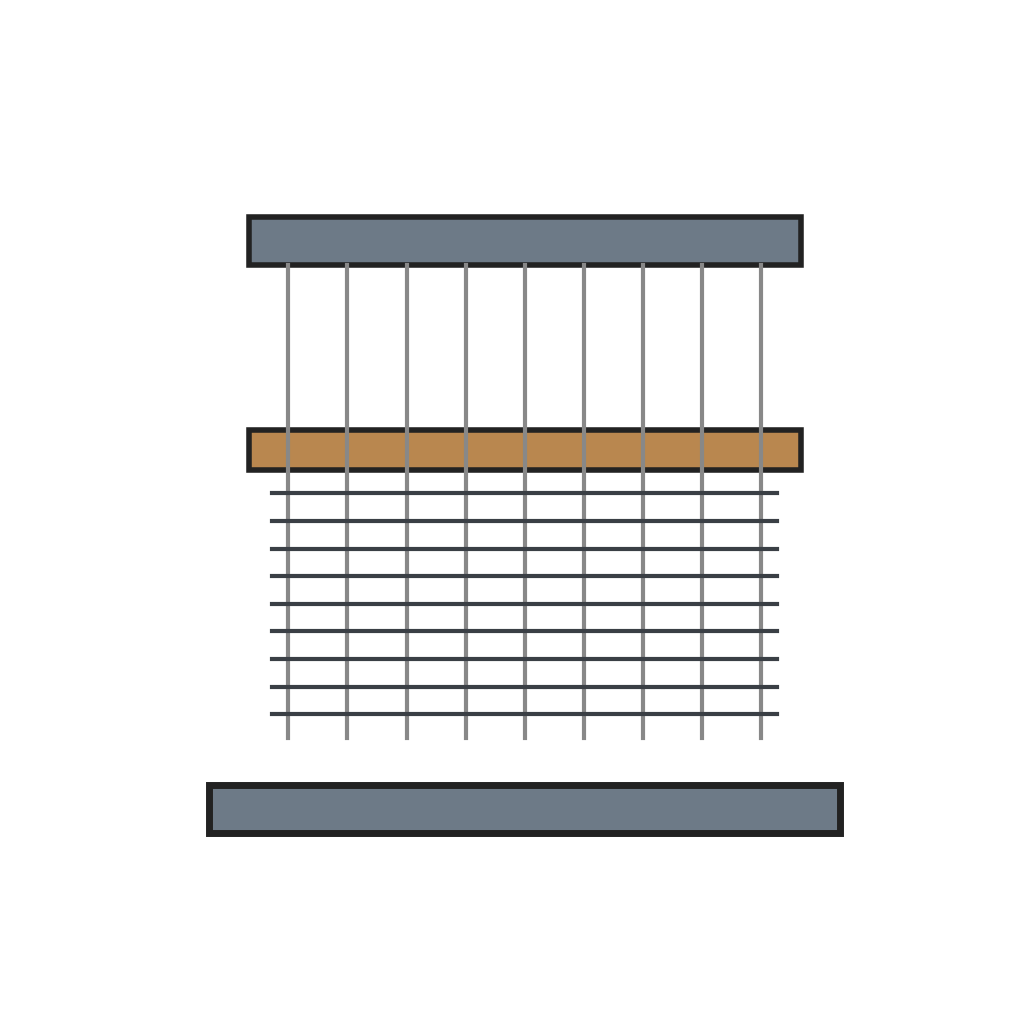 Òfì ìhun àwọ̀n wáyà
3
3
Make the frame
Make the frame
Make a circular frame about 20 cm (8 in) across, with about 5 cm (2 in), or 2.5 cm (1 in), between its top and the cloth. Ours: brass strip. Not given: the frame metal.
Àwọn ohun èlò fún ìgbésẹ̀ yìí:
 Ọ̀pá idẹ pẹrẹsẹ1 frame
Àwọn irinṣẹ́ tí a nílò:
 Ìlàǹkàn irin
 Irin ìsúdì
4
4
Mount the cloth
Mount the cloth
Mount the cloth on the frame without distorting it. Fill the joint between cloth and frame smoothly with solder, so the material being sieved cannot catch in it.
Àwọn ohun èlò fún ìgbésẹ̀ yìí:
 Wẹ́là tìnì-lédì1 joint
 Fúlọ́ksì1 joint
Àwọn irinṣẹ́ tí a nílò:
Irin ìsúdì5
5
Check it against the tolerances
Check it against the tolerances
Measure the warp and shoot wires separately. For both numbers the average opening must be within ±6 % of the table, the average wire diameter within −15 to +35 %, and no opening may exceed the table opening by more than 40 %. Reject a sieve with punctures, loose or wavy cloth, poor soldering, or too many large openings.
Àwọn irinṣẹ́ tí a nílò:
 Máíkírómítà
 Dígí Ìgbéga
Àwọn ohun-èlò
4- 1 warp and shoot wiresÀyè
- 1 frameÀyè
- 1 jointÀyè
- 1 jointÀyè
Àwọn irinṣẹ́ tó nílò
5- Àyè
- 2 vendors sell this, none ship to you yetÀyè
- Àyè
- Àyè
Àwọn Ohun Èlò Ìtọ́nisọ́nà Tí A So Pọ̀

10% Ìpín
120-Mesh Sieve: U.S. Standard Sieve No. 120 (Bureau of Standards, 1924)
láti ọwọ́ Tex
Físíkì
12
0
0
0
1
0
10% Ìpín
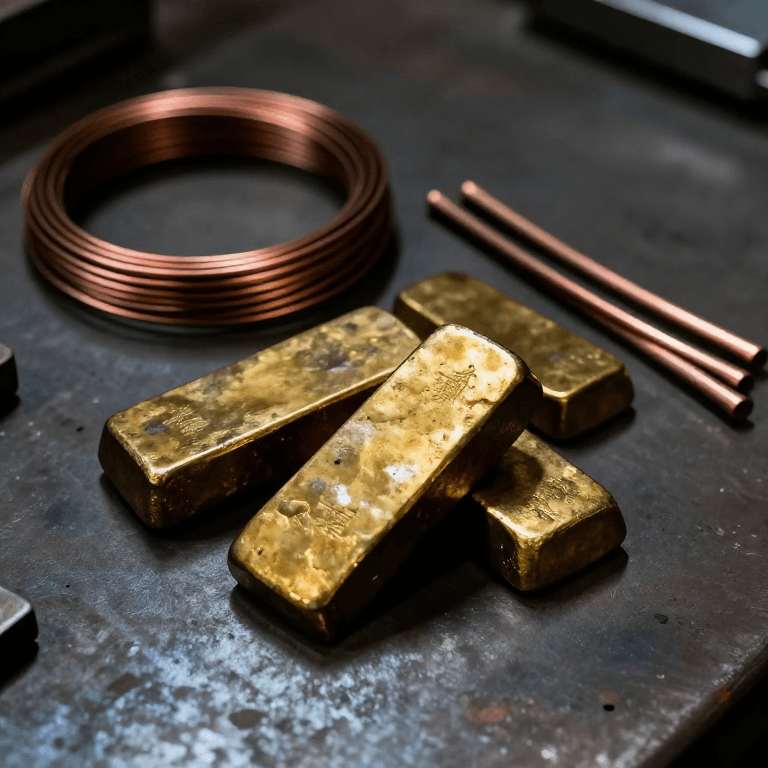
Tin Bronze Ingots, Wire and Rod
láti ọwọ́ Forge
Iṣẹ́ Irin
56
0
0
0
2
0
10% Ìpín
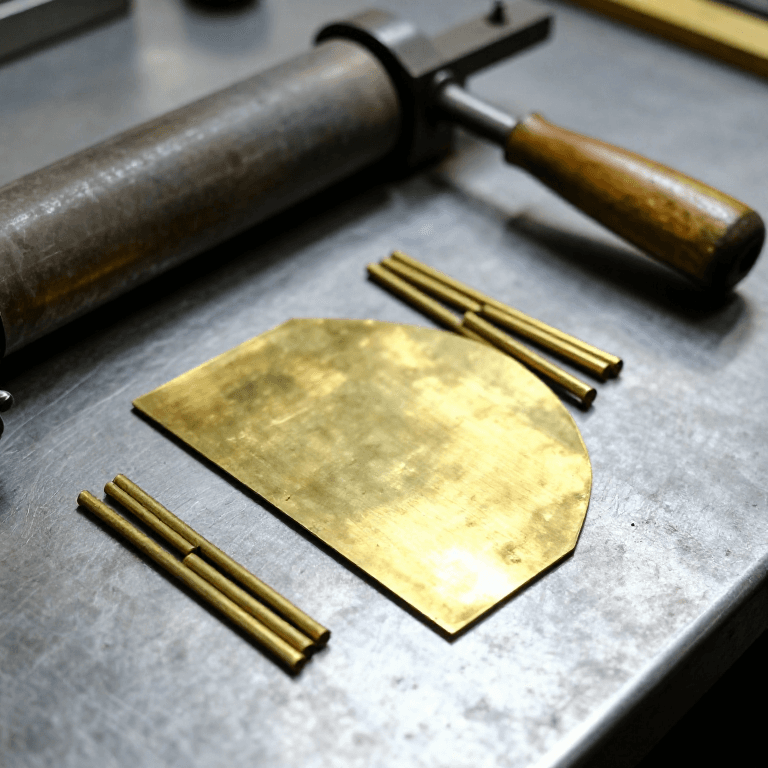
Brass Sheet, Strip and Rod from an Ingot
láti ọwọ́ Forge
Iṣẹ́ Irin
39
0
0
0
2
0
Léwu
10% Ìpín
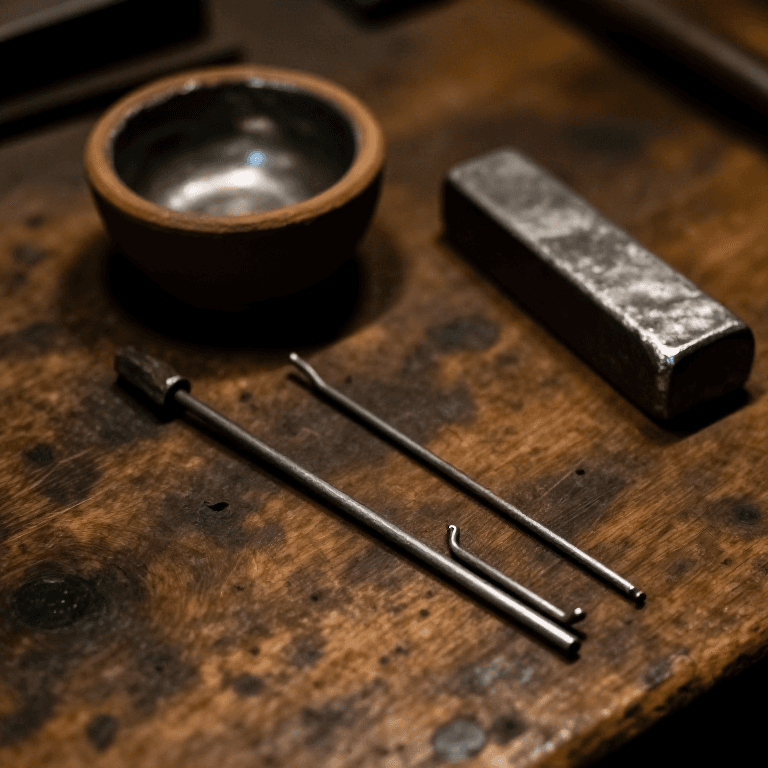
Making Tin-Lead Solder — The Ancient Alloy That Joins Metals Without a Forge
láti ọwọ́ Peter
Iṣẹ́ Irin
63
0
0
0
3
0
Ìtọ́nisọ́nà yìí ń ṣe
CC0 Àgbègbè Gbogbogbò
Blueprint yìí ti jáde lábẹ́ CC0. O lè ṣe àdàkọ, yí padà, pín, àti lò láìsí ìyọ̀ǹda.
Ṣàtìlẹ́yìn Olùṣẹ́dá nípa rírà àwọn ọjà nipasẹ̀ Blueprint wọn Ẹ̀san Olùṣẹ́dá tí àwọn Olùtajà gbé kalẹ̀, tàbí ṣẹ̀dá àtúnṣe tuntun ti Blueprint yìí kí o sì fi sínú Blueprint rẹ gẹ́gẹ́ bí ìsopọ̀ láti pín owó-wíwọlé.