IṢẸ́ ỌNÀ
ẸWÀ ÀTI ÌLERA
IṢẸ́ ỌWỌ́
ÀṢÀ ÀTI ÌTÀN
ÌṢERÉ
ÀYÍKÁ
OÚNJẸ ÀTI OHUN MÍMU
REVERSE ENGINEERING
SÁYẸ́ǸSÌ
ERÉ ÌDÁRAYÁ
ÌMỌ̀-Ẹ̀RỌ
ÀWỌN OHUN WÍWỌ̀
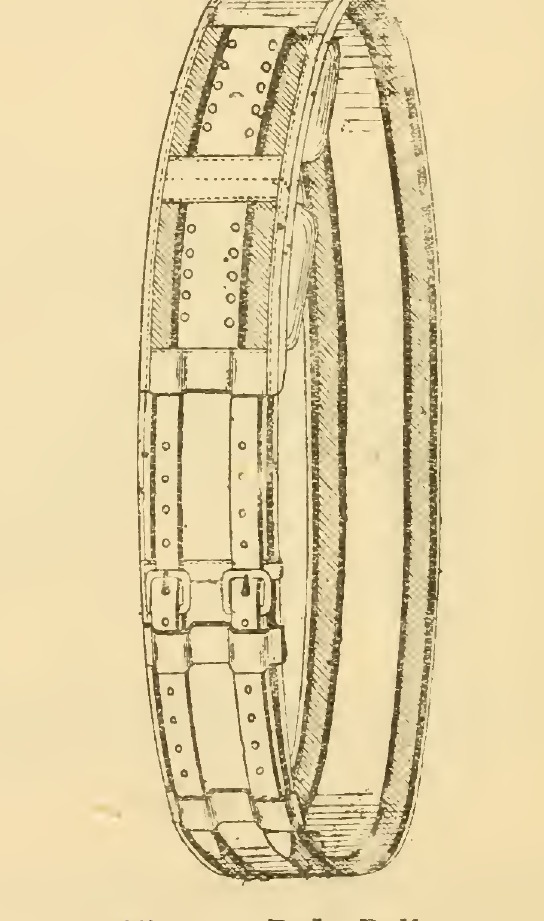


Body Roller: Web Band With a Quilted, Flock-Stuffed Pad and Two Buckled Straps (Hasluck, Saddlery, 1904)
A body roller is buckled round a horse behind the withers to keep its rug or sheet in place. This is the two-strap roller from Paul N. Hasluck's Saddlery (1904): a 6 ft 2 in web band with a stuffed pad of two compartments, faced with hogskin, lined with serge, quilted with twenty small leather rounds, and fastened with two buckled straps. Every size is his.
Rollers may be of worsted, linen, union, webbing or leather.
Ilọsíwájú
About 2 days
Ìlànà
1
1
The marks on the roller
The marks on the roller
Ń ṣí ìwé Jupyter…
2
2
Read Saddlery, ch. IX
Read Saddlery, ch. IX
"Body rollers are made of worsted, linen, union, webbing, or leather, with one, two, or three straps, a full-sized roller being 6 ft. 2 in. long."
3
3
Bind the ends and mark the pad
Bind the ends and mark the pad
Cut the roller 6 ft 2 in long; the pad sits about 10 in from one point. Bind the short end near the pad with leather 1 in wide on each side, stitched with single thread. Bind the other end the same way, 1 in wide on the front, but line the girth for about 6 in below and stitch along the edge of the roller; raise a stitch over the edge of the leather without running through. With a lead pencil, mark a line across 10 in from the end without lining, a second line 1 ft away, and two more 5-1/4 in from each line, leaving a 1-1/2 in space between them.
Àwọn ohun èlò fún ìgbésẹ̀ yìí:
 Okùn híhun ìdè ikùn1 ẹyọ
 Awọ ẹlẹ́dẹ̀ tí a sè1 ẹyọ
 Òwú ọ̀gbọ̀1 ẹyọ
 Ìdí Oyin1 ẹyọ
 Gègé1 ẹyọ
Àwọn irinṣẹ́ tí a nílò:
 Ọ̀bẹ awọ
 Ọ̀kọ̀ Ìlùhò
 Abẹ́rẹ́ ìránṣọ awọ méjì
 Ìmú igi fún ríran awọ
 Okùn Ìdíwọ̀n
4
4
Cut the card, lining and facings
Cut the card, lining and facings
Cut stiff cardboard the width of the roller, reaching 1 in below each end line, and thin its edges. Cut white serge (basil or hogskin for a leather girth) to reach 2 in below the two end lines and 1/2 in wider on each side. Cut two hogskin facings 1 ft 4 in by 1-1/4 in, narrowed at the centre to a little less than half opposite the space between the inner lines; round the corners and cut slanting towards the ends until each is about 1/2 in wide at the point. Turn the serge down 1/4 in along its long edges and whip it to the facings along the shaped edge, centre to centre, with the full and narrow parts matching on each side.
Àwọn ohun èlò fún ìgbésẹ̀ yìí:
 Pátákó bébà lílẹ̀1 ẹyọ
 Aṣọ serge irun àgùntàn1 ẹyọAwọ ẹlẹ́dẹ̀ tí a sè1 ẹyọÒwú ọ̀gbọ̀1 ẹyọÌdí Oyin1 ẹyọ
Àwọn irinṣẹ́ tí a nílò:
Ọ̀bẹ awọ Ìṣẹ́náAbẹ́rẹ́ ìránṣọ awọ méjìOkùn Ìdíwọ̀n
5
5
Make and set the straps
Make and set the straps
Cut two pieces of leather 2-1/4 in deep and the width of the roller and crease them along the long sides with a hot iron; cut two similar pieces of basil. Cut two strong 1-1/4 in brown leather straps 1 ft 6 in long, point one end, shave the other, crease them double and make eight holes in each. Put one basil piece underneath, level with the roller edges, reaching a little above the line nearer the short end. Place the straps within 1/4 in of that line, pointing towards the short end, and stitch them down firmly through roller and basil.
Àwọn ohun èlò fún ìgbésẹ̀ yìí:
Awọ ẹlẹ́dẹ̀ tí a sè1 ẹyọ Awọ àgùntàn (basil)1 ẹyọ
 Awọ ohun èlò ẹṣin1 ẹyọÒwú ọ̀gbọ̀1 ẹyọÌdí Oyin1 ẹyọ
Àwọn irinṣẹ́ tí a nílò:
Ọ̀bẹ awọ Ohun èlò ìká
 Ohun èlò ìlu ihò awọỌ̀kọ̀ ÌlùhòAbẹ́rẹ́ ìránṣọ awọ méjì
6
6
Build the pad
Build the pad
Place the hogskin end pieces on the ends of the pad, their upper edges about 1/8 in above the end lines, and the other basil piece under the end without straps; tack the basil down. Tack a creased piece 1-3/4 in wide across the centre to cover the two central lines, then tack the cardboard underneath, centred. The end piece at the strap end covers the stitched ends of the straps. Stitch the end pieces through roller and card along their upper cross lines and the ends of the centre piece at the edges, leaving the two central lines unstitched.
Àwọn ohun èlò fún ìgbésẹ̀ yìí:
Awọ ẹlẹ́dẹ̀ tí a sè1 ẹyọ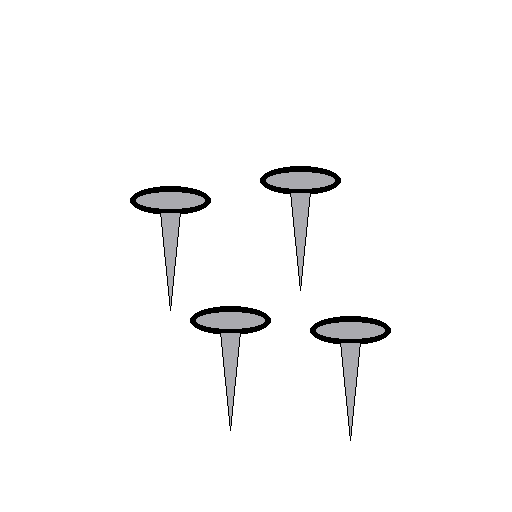 Ìṣó kékeré ìfà-mọ́-ìmọ1 ẹyọÒwú ọ̀gbọ̀1 ẹyọÌdí Oyin1 ẹyọ
Àwọn irinṣẹ́ tí a nílò:
 ÒòlùOhun èlò ìkáỌ̀kọ̀ ÌlùhòAbẹ́rẹ́ ìránṣọ awọ méjì
7
7
Line, bind and stuff
Line, bind and stuff
Put the serge lining and facing centre to centre on each side and whip the facing to the roller along both edges through web and card, the ends reaching just below the stitched end lines. Bind both edges with a thin hogskin strip about 1/2 in wide from end piece to end piece. Stitch the two centre lines through from side to side, making two compartments. Make two rows of stitches down through the leather between and close to the straps, and two at the other end. Stuff both sides firm and level with flock through the bottom opening, turn in the serge edge, and raise a stitch to hold the leather lining opposite the serge.
Àwọn ohun èlò fún ìgbésẹ̀ yìí:
Awọ ẹlẹ́dẹ̀ tí a sè1 ẹyọ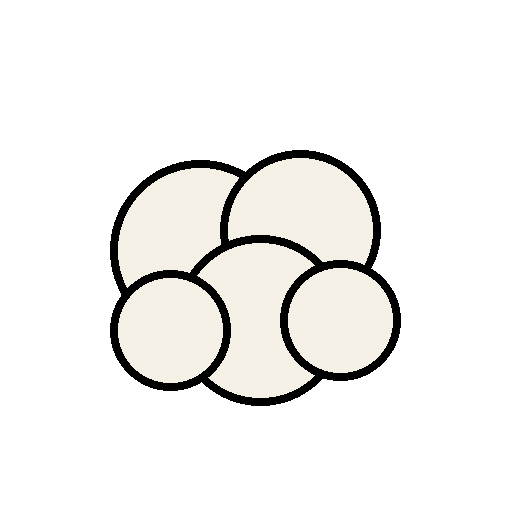 Irun àgùntàn ìkún1 ẹyọÒwú ọ̀gbọ̀1 ẹyọÌdí Oyin1 ẹyọ
Àwọn irinṣẹ́ tí a nílò:
Ọ̀bẹ awọỌ̀kọ̀ ÌlùhòAbẹ́rẹ́ ìránṣọ awọ méjì8
8
Quilt the pad
Quilt the pad
Cut twenty small round or scalloped pieces of coloured roan or hogskin, a little smaller than a threepenny bit. Quilt five on each side of each part, twenty in all, in a perfectly straight line 1 in from the edge: drive the needle up from below, through the leather round, down again through it and the roller, and knot it below over a small tuft of coloured wool.
Àwọn ohun èlò fún ìgbésẹ̀ yìí:
 Awọ àgùntàn aláwọ̀ (roan)1 ẹyọ
 Òwú Irun Àgùtàn Aláró1 ẹyọÒwú ọ̀gbọ̀1 ẹyọÌdí Oyin1 ẹyọ
Àwọn irinṣẹ́ tí a nílò:
Ọ̀bẹ awọAbẹ́rẹ́ ìránṣọ awọ méjì9
9
Fit the buckles and loops
Fit the buckles and loops
Cut two chapes for two 1-1/4 in buckles and two loops, and stitch the chapes with the outside of the buckles flush with the end of the roller, straight to the straps. Make a loop long enough to reach across the girth, stitched across at both ends and with two cross rows in the centre, leaving room for the two straps, about 6 in below the chapes. Block, crease and finish the loops; he puts a fancy stamp in the centre of each.
Àwọn ohun èlò fún ìgbésẹ̀ yìí:
Awọ ohun èlò ẹṣin1 ẹyọ Bọ́ọ̀kù irin onílahùn2 ẹyọÒwú ọ̀gbọ̀1 ẹyọÌdí Oyin1 ẹyọ
Àwọn irinṣẹ́ tí a nílò:
Ọ̀bẹ awọOhun èlò ìká Igi ìmọ òrùka awọỌ̀kọ̀ ÌlùhòAbẹ́rẹ́ ìránṣọ awọ méjì
10
10
Troubleshooting
Troubleshooting
Body roller troubleshooting.
Flow
Loading...
11
11
History and honest limits
History and honest limits
From **Saddlery**, edited by Paul N. Hasluck, David McKay, 1904 (archive.org saddlery00hasl), chapter IX, "Horse Clothing", body rollers, pp. 75-80, Figs. 31-32; every fraction was read on the scan. His wording on the end pieces is brief; check them against Figs. 31 and 32. The stallion roller, surcingle, sheets and hood are not made here. The thread, tools and metric figures are ours.
Àwọn ohun-èlò
14- 1 ẹyọÀyè
- 5 ẹyọÀyè
- 7 ẹyọÀyè
- 7 ẹyọÀyè
- Àyè
- 1 ẹyọÀyè
- Àyè
- 1 ẹyọÀyè
- 2 ẹyọÀyè
- Àyè
- 1 ẹyọÀyè
- Àyè
- Àyè
- Àyè
Ìtọ́nisọ́nà yìí ń ṣe
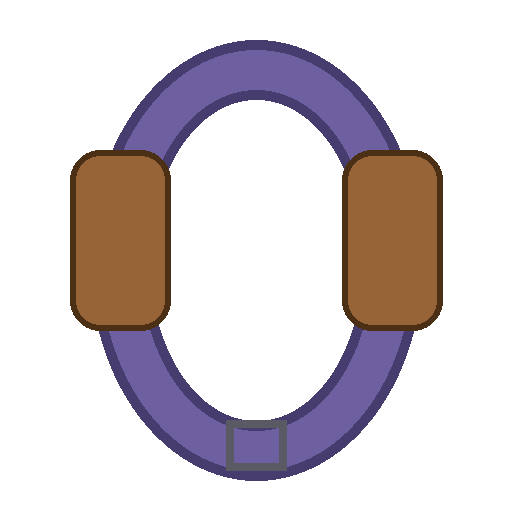
Blueprint tó jọra
Àwọn blueprint wọ̀nyí pín ìmọ̀ — ọ̀nà, ohun-èlò tàbí ìlànà
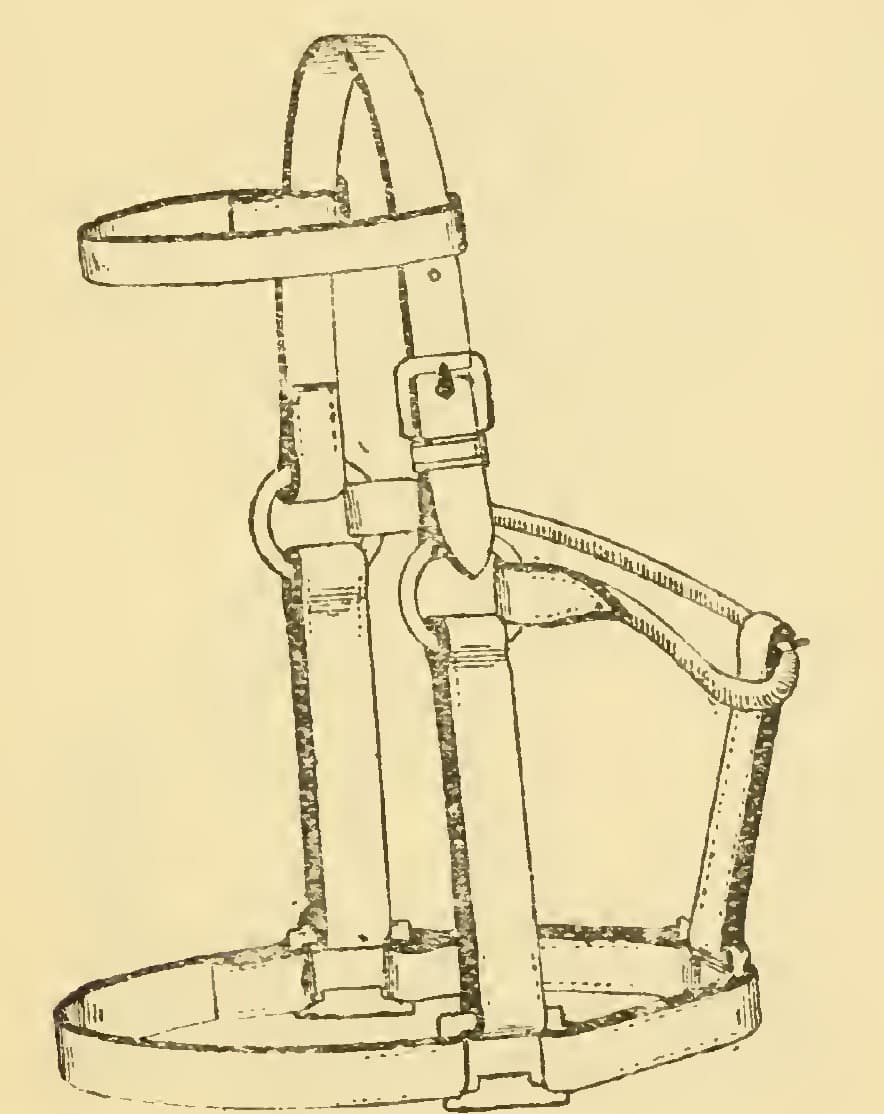
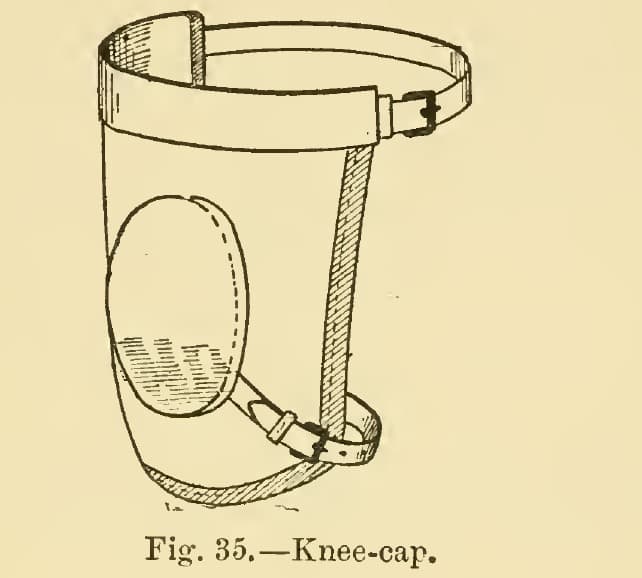
CC0 Àgbègbè Gbogbogbò
Blueprint yìí ti jáde lábẹ́ CC0. O lè ṣe àdàkọ, yí padà, pín, àti lò láìsí ìyọ̀ǹda.
Ṣàtìlẹ́yìn Olùṣẹ́dá nípa rírà àwọn ọjà nipasẹ̀ Blueprint wọn Ẹ̀san Olùṣẹ́dá tí àwọn Olùtajà gbé kalẹ̀, tàbí ṣẹ̀dá àtúnṣe tuntun ti Blueprint yìí kí o sì fi sínú Blueprint rẹ gẹ́gẹ́ bí ìsopọ̀ láti pín owó-wíwọlé.