IṢẸ́ ỌNÀ
ẸWÀ ÀTI ÌLERA
IṢẸ́ ỌWỌ́
ÀṢÀ ÀTI ÌTÀN
ÌṢERÉ
ÀYÍKÁ
OÚNJẸ ÀTI OHUN MÍMU
REVERSE ENGINEERING
SÁYẸ́ǸSÌ
ERÉ ÌDÁRAYÁ
ÌMỌ̀-Ẹ̀RỌ
ÀWỌN OHUN WÍWỌ̀

Child's Pilch: Treeless Saddle With Stuffed Roll, Web Girth Straps and Flock Panel (Hasluck, Saddlery, 1904)
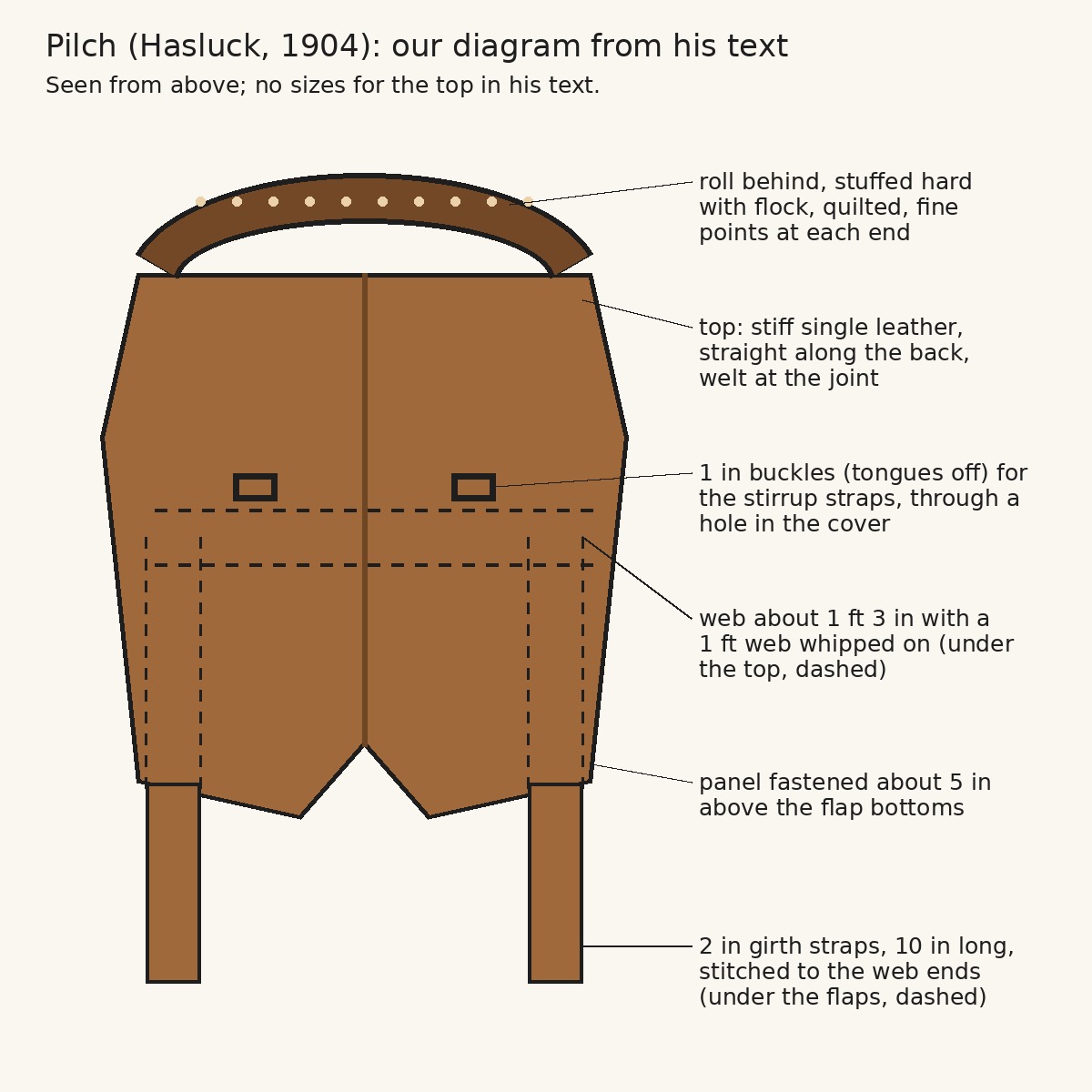
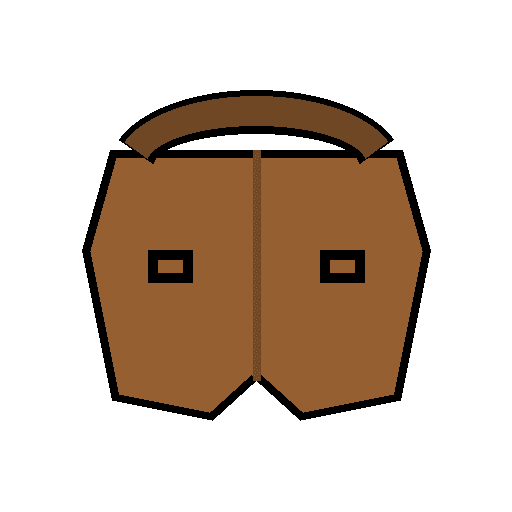
A pilch is a child's saddle made without a tree. This is the plain boy's pilch from Paul N. Hasluck's Saddlery (1904): a stiff leather top with a hard-stuffed roll behind, webs underneath carrying the girth straps and the stirrup buckles, and a flock-stuffed panel. He gives no size for the top; the picture is our diagram from his text.
Ilọsíwájú
About 2 days
Ìlànà
1
1
His sizes in centimetres
His sizes in centimetres
Ń ṣí ìwé Jupyter…
2
2
Read Saddlery, ch. IV
Read Saddlery, ch. IV
"A pilch is the form of saddle used by a boy or girl." He adds that pilches "accommodate themselves to almost any horse, though they lose their shape under a heavy weight".
3
3
Cut the top
Cut the top
Cut the top somewhat like a saddle panel but smaller, and in a straight line along the back. Put a welt at the joint and stitch it double-handed on the under side. The top can be plain stiff single leather, or covered plain with basil or hogskin (tack a cover coarsely along the edge, then bind it with leather).
Àwọn ohun èlò fún ìgbésẹ̀ yìí:
 Awọ ohun èlò ẹṣin1 ẹyọ
 Òwú ọ̀gbọ̀1 ẹyọ
 Ìdí Oyin1 ẹyọ
Àwọn irinṣẹ́ tí a nílò:
 Ọ̀bẹ awọ
 Ọ̀kọ̀ Ìlùhò
 Abẹ́rẹ́ ìránṣọ awọ méjì
 Ìmú igi fún ríran awọ
 Okùn Ìdíwọ̀n
4
4
Make the web for the girth and stirrup straps
Make the web for the girth and stirrup straps
Take a piece of webbing about 1 ft 3 in long and stitch a 2 in strap, 10 in long, to each end, turning the end of the web in under the stitch. Whip a second piece of web about 1 ft long to the edge of the first, at equal distances from both ends, and fit two chapes and 1 in buckles with the tongues taken off, for the stirrup straps. Stitch this to the lower part of the top, right in the centre. Bring the stirrup buckles forward and cut a hole for each to come through on the outside without the web showing; the holes must be the same distance from the centre on each side. Stitch the web firmly through the top from end to end.
Àwọn ohun èlò fún ìgbésẹ̀ yìí:
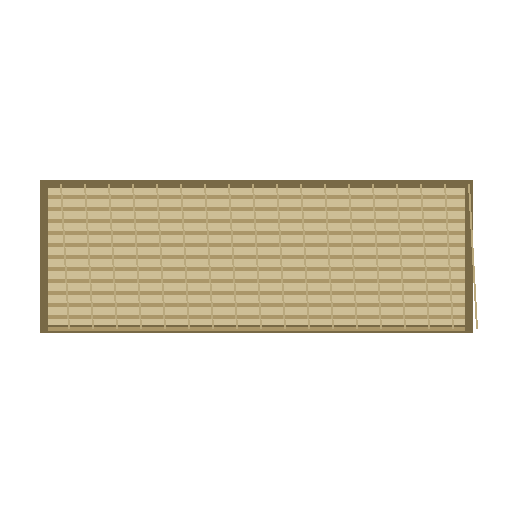 Okùn híhun ìdè ikùn1 ẹyọAwọ ohun èlò ẹṣin1 ẹyọ
 Bọ́ọ̀kù irin onílahùn2 ẹyọÒwú ọ̀gbọ̀1 ẹyọÌdí Oyin1 ẹyọ
Àwọn irinṣẹ́ tí a nílò:
Ọ̀bẹ awọ Ẹ̀mú ìfàyọ
 Ohun èlò ìbẹ etí
 Ohun èlò ìká
 Ọ̀pá Iná PùróféènìỌ̀kọ̀ ÌlùhòAbẹ́rẹ́ ìránṣọ awọ méjìÌmú igi fún ríran awọOkùn Ìdíwọ̀n
5
5
Make and fix the roll
Make and fix the roll
Cut linen to the shape and size of the roll, double it and stitch the edges together; stuff it hard with flock and quilt it firmly. It should reach round the back and come to a fine point at each end. Draw it tight round the back of the seat, bringing the points down level at each corner of the flap part of the top, and put a stitch here and there along the bottom through the linen and the top.
Àwọn ohun èlò fún ìgbésẹ̀ yìí:
 Aṣọ ọ̀gbọ̀1 ẹyọ
 Irun àgùntàn ìkún1 ẹyọÒwú ọ̀gbọ̀1 ẹyọÌdí Oyin1 ẹyọ
Àwọn irinṣẹ́ tí a nílò:
 Ìṣẹ́náỌ̀kọ̀ ÌlùhòAbẹ́rẹ́ ìránṣọ awọ méjì
6
6
Cover and quilt the roll
Cover and quilt the roll
Cut hogskin or basil large enough to cover the roll. Raise a stitch along the bottom on both sides of the roll in the cover and run the stitches up and down through the top, drawing the cover down tightly over the roll. Quilt the roll with stitches from side to side, a little tuft of flock under each stitch, drawn tight; fasten the thread securely at the end.
Àwọn ohun èlò fún ìgbésẹ̀ yìí:
 Awọ ẹlẹ́dẹ̀ tí a sè1 ẹyọIrun àgùntàn ìkún1 ẹyọÒwú ọ̀gbọ̀1 ẹyọÌdí Oyin1 ẹyọ
Àwọn irinṣẹ́ tí a nílò:
Ọ̀bẹ awọỌ̀kọ̀ ÌlùhòAbẹ́rẹ́ ìránṣọ awọ méjì7
7
Make and fasten the panel
Make and fasten the panel
Make the panel exactly like a saddle panel (see the riding saddle blueprint). Fasten it by putting stitches through the top here and there along the front and round the back near the edge, with a small tuft of flock under each stitch on the panel and every stitch knotted over the flock as you go. Do not fasten the panel right at the bottom of the flaps, but about 5 in from it.
Àwọn ohun èlò fún ìgbésẹ̀ yìí:
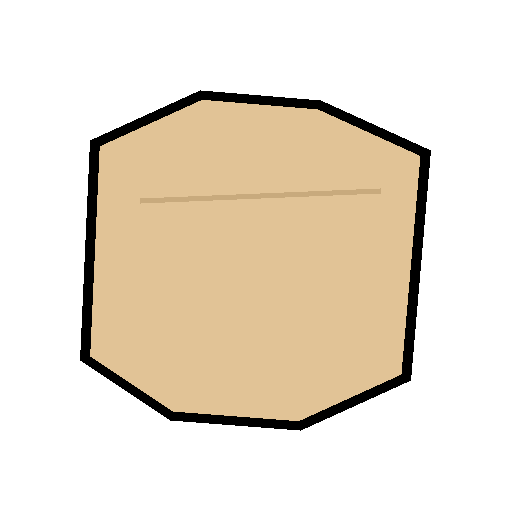 Awọ àgùntàn (basil)1 ẹyọ
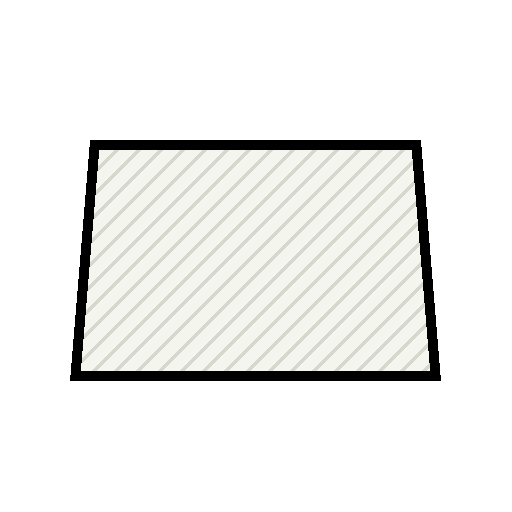 Aṣọ serge irun àgùntàn1 ẹyọIrun àgùntàn ìkún1 ẹyọÒwú ọ̀gbọ̀1 ẹyọÌdí Oyin1 ẹyọ
Àwọn irinṣẹ́ tí a nílò:
Ọ̀bẹ awọỌ̀kọ̀ ÌlùhòAbẹ́rẹ́ ìránṣọ awọ méjìOkùn Ìdíwọ̀n8
8
Stirrup straps, irons and girths
Stirrup straps, irons and girths
Make a pair of 1 in stirrup straps 1 ft 8 in long, and get a pair of boy's stirrup irons (he says they could be bought tinned for sixpence a pair). A pair of girths 1 ft 6 in and 1 ft 8 in long completes the pilch.
Àwọn ohun èlò fún ìgbésẹ̀ yìí:
Awọ ohun èlò ẹṣin1 ẹyọ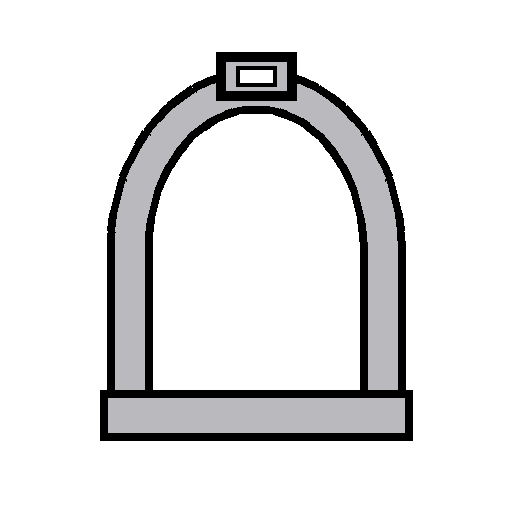 Àtẹ̀gùn ẹsẹ̀ irin2 ẹyọ
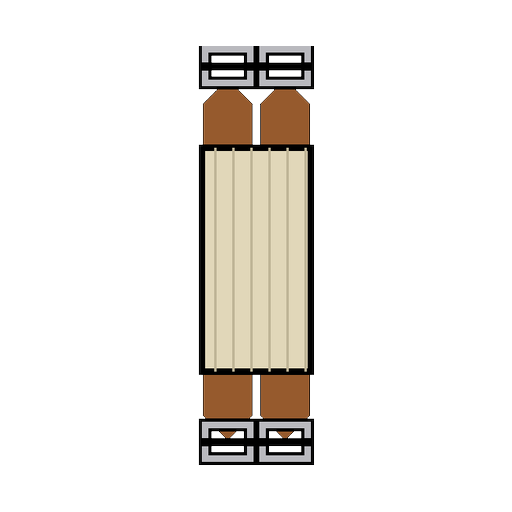 Okùn ikùn gàárì2 ẹyọ
Àwọn irinṣẹ́ tí a nílò:
Ọ̀bẹ awọ Ohun èlò ìlu ihò awọOkùn Ìdíwọ̀n
9
9
Troubleshooting
Troubleshooting
Pilch troubleshooting.
Flow
Loading...
10
10
History and honest limits
History and honest limits
From **Saddlery**, edited by Paul N. Hasluck, David McKay, 1904 (archive.org saddlery00hasl), chapter IV, "Children's Saddles or Pilches", pp. 36-39, read on the scan; the chapter has no figures, so the picture is our own diagram from his text. He gives no size for the top. The reversible heads and the safe for a girl, the girl's slipper stirrup and the crupper web are not made here. The thread, tools and metric figures are ours.
Àwọn ohun-èlò
12- 3 ẹyọÀyè
- 5 ẹyọÀyè
- 5 ẹyọÀyè
- 1 ẹyọÀyè
- Àyè
- 1 ẹyọÀyè
- 3 ẹyọÀyè
- 1 ẹyọÀyè
- 1 ẹyọÀyè
- Àyè
- 2 ẹyọÀyè
- 2 ẹyọÀyè
Àwọn irinṣẹ́ tó nílò
11- Àyè
- Àyè
- 1 vendor sell this, none ship to you yetÀyè
- Àyè
- Àyè
- Àyè
Ìtọ́nisọ́nà yìí ń ṣe
Blueprint tó jọra
Àwọn blueprint wọ̀nyí pín ìmọ̀ — ọ̀nà, ohun-èlò tàbí ìlànà
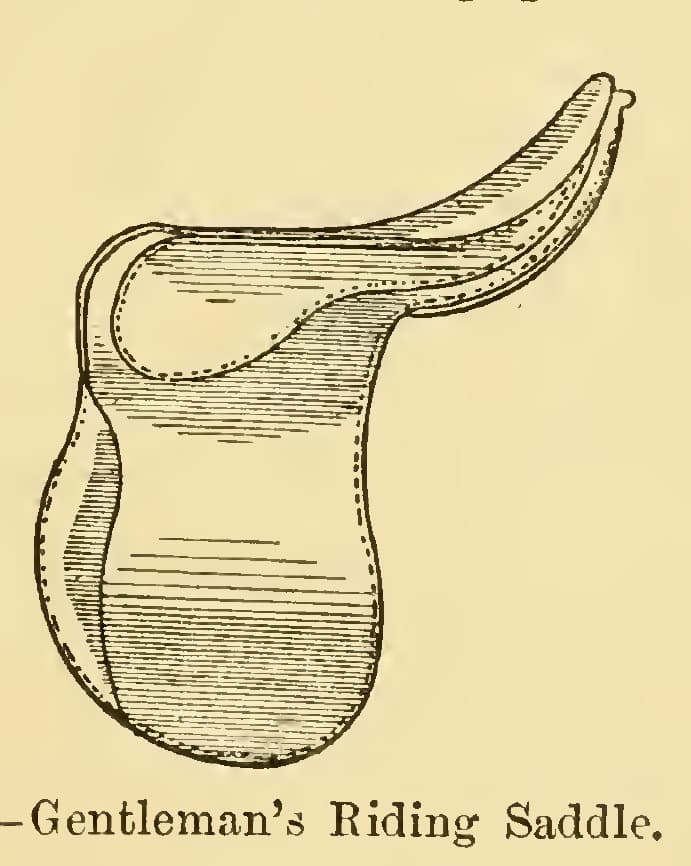
Riding Saddle: Web, Stuffed Seat, Hogskin Skirts, Knee-Pad Flaps and Quilted Panel on a Bought Tree (Hasluck, Saddlery, 1904)
láti ọwọ́ Tex
Aṣọ àti Awọ
8
0
0
0
0
0
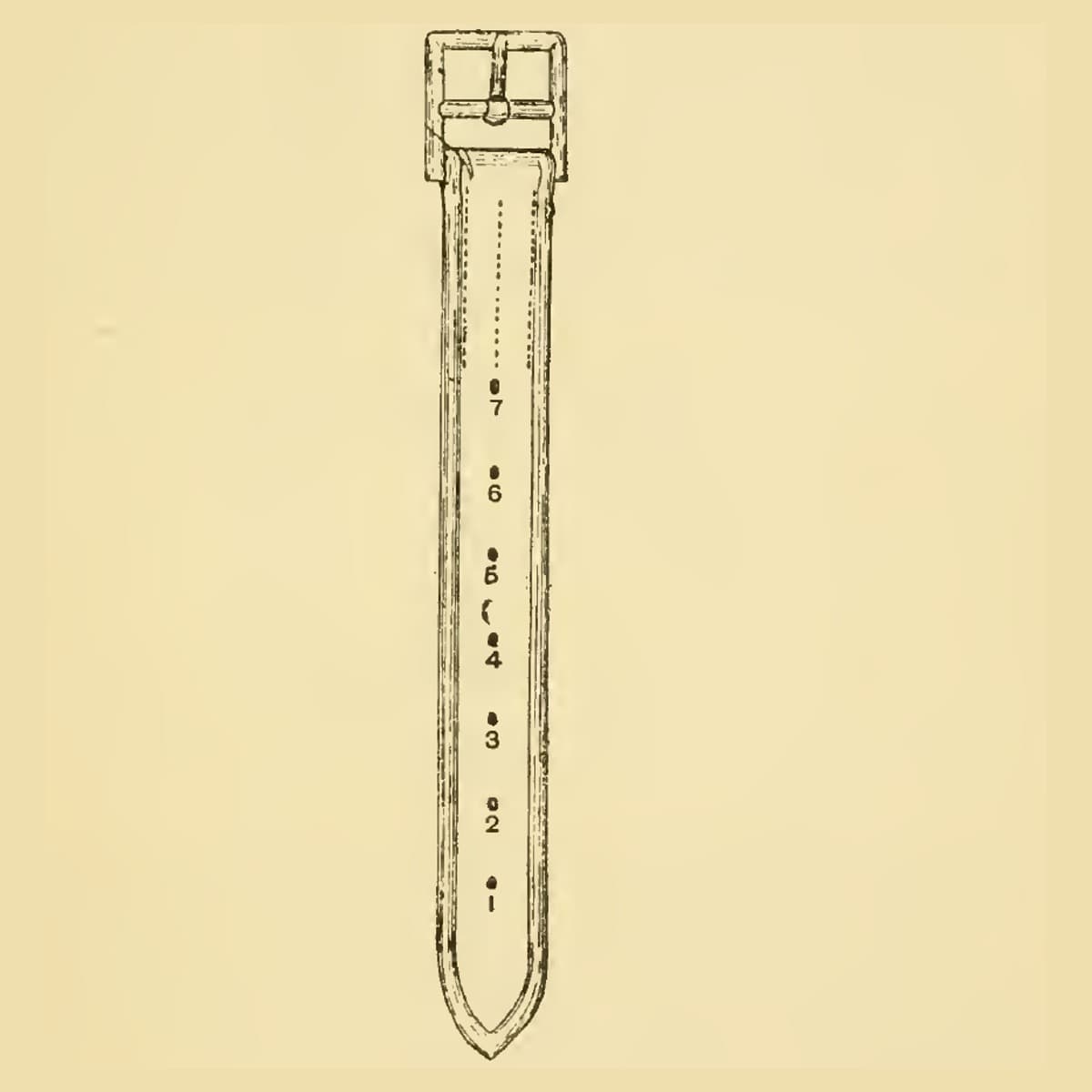
Stirrup Leathers: Middlings Straps Stitched to Stirrup Buckles, Creased on the Flesh Side (Hasluck, Saddlery, 1904)
láti ọwọ́ Tex
Aṣọ àti Awọ
8
0
0
0
0
0
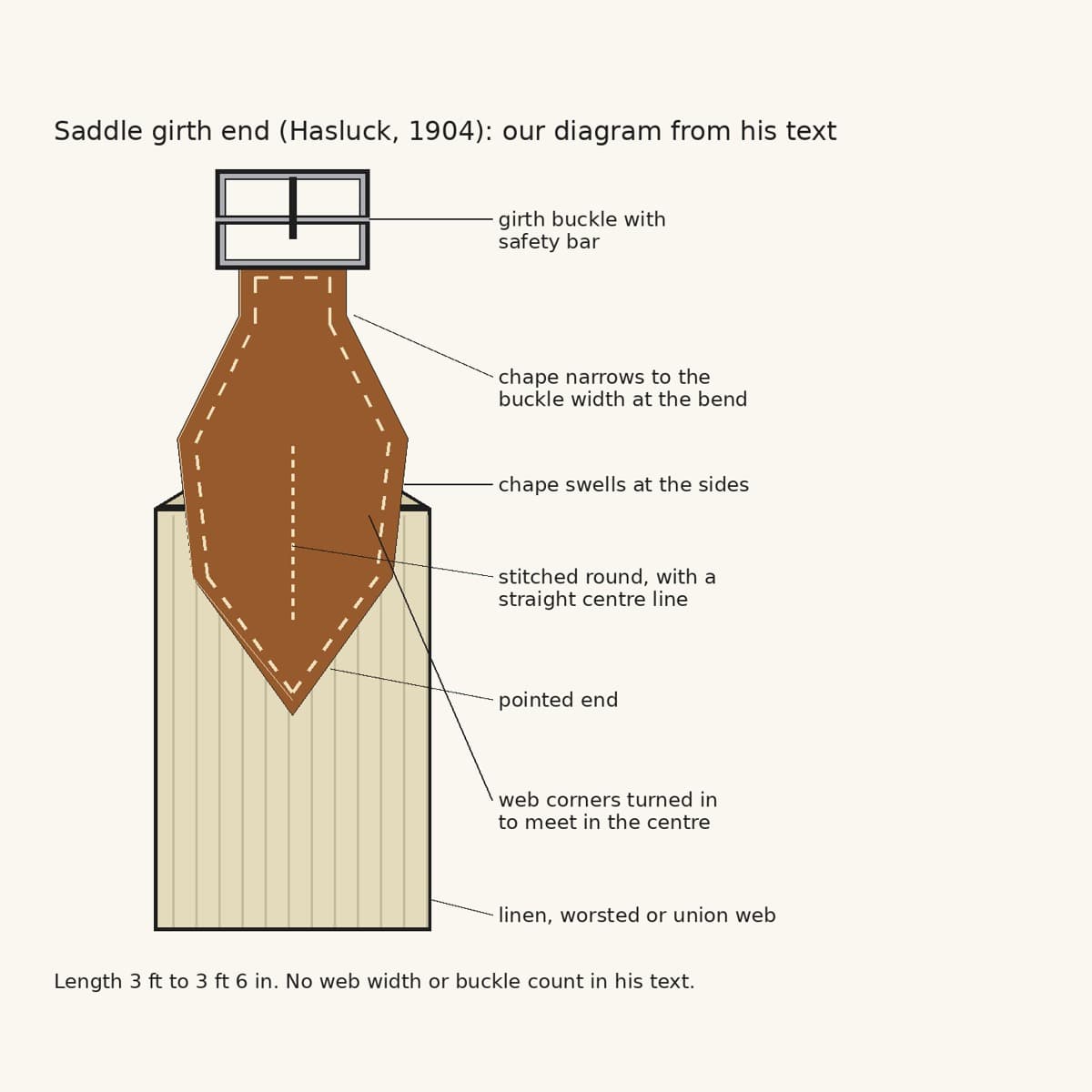
Web Saddle Girth: Pointed Leather Chapes and Safety-Bar Buckles (Hasluck, Saddlery, 1904)
láti ọwọ́ Tex
Aṣọ àti Awọ
8
0
0
0
0
0
CC0 Àgbègbè Gbogbogbò
Blueprint yìí ti jáde lábẹ́ CC0. O lè ṣe àdàkọ, yí padà, pín, àti lò láìsí ìyọ̀ǹda.
Ṣàtìlẹ́yìn Olùṣẹ́dá nípa rírà àwọn ọjà nipasẹ̀ Blueprint wọn Ẹ̀san Olùṣẹ́dá tí àwọn Olùtajà gbé kalẹ̀, tàbí ṣẹ̀dá àtúnṣe tuntun ti Blueprint yìí kí o sì fi sínú Blueprint rẹ gẹ́gẹ́ bí ìsopọ̀ láti pín owó-wíwọlé.