IṢẸ́ ỌNÀ
ẸWÀ ÀTI ÌLERA
IṢẸ́ ỌWỌ́
ÀṢÀ ÀTI ÌTÀN
ÌṢERÉ
ÀYÍKÁ
OÚNJẸ ÀTI OHUN MÍMU
REVERSE ENGINEERING
SÁYẸ́ǸSÌ
ERÉ ÌDÁRAYÁ
ÌMỌ̀-Ẹ̀RỌ
ÀWỌN OHUN WÍWỌ̀
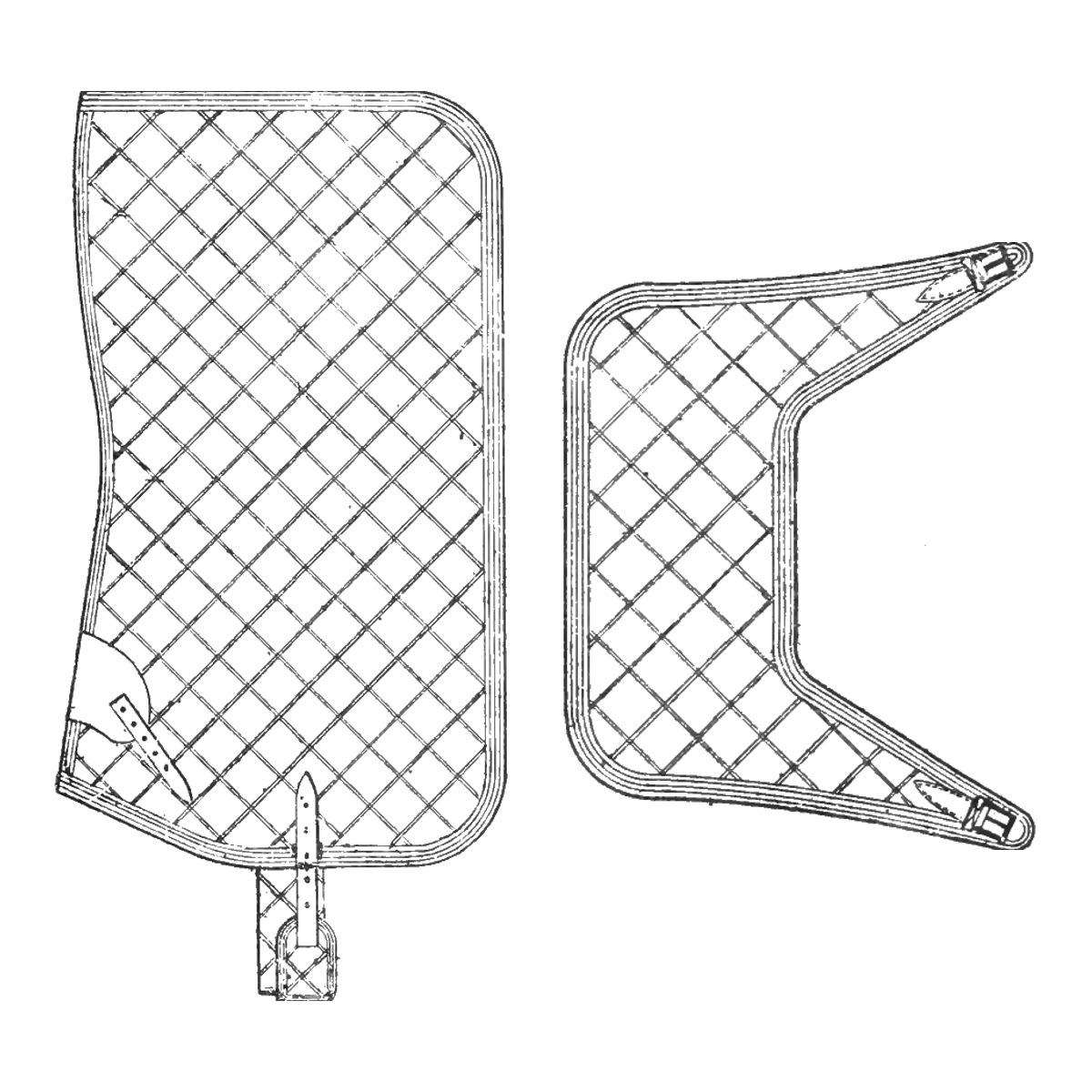

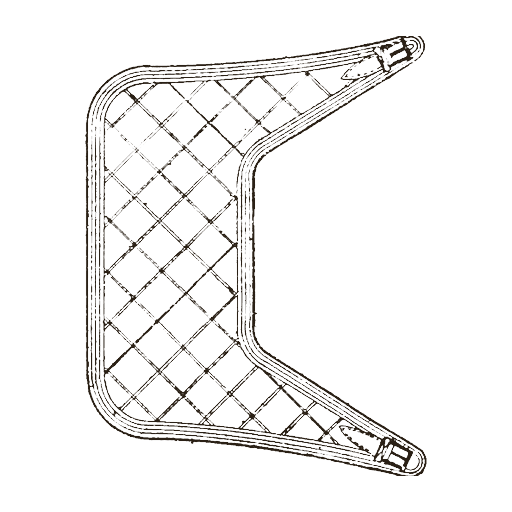
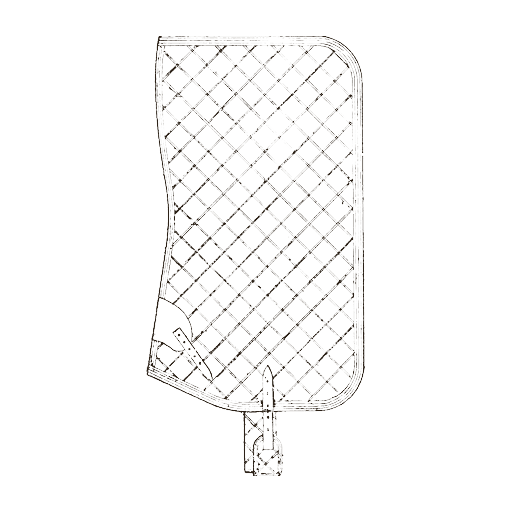
Quarter Sheet and Breast Cloth: Bound Kersey Stable Sheet With Buckled Chest Cover (Hasluck, Saddlery, 1904)
A horse's stable or day suit is a sheet over the back and sides, a breast cloth over the chest, a pad cloth under the roller and a hood. This is the quarter sheet (Fig. 26) and breast cloth (Fig. 27) from Paul N. Hasluck's Saddlery (1904), in kersey bound with coloured cloth; the breast cloth buckles to two straps on the sheet's shoulders. The sheet is cut to the horse, so he gives few overall sizes.
Àárín
About 2 days
Ìlànà
1
1
His sizes in centimetres
His sizes in centimetres
Ń ṣí ìwé Jupyter…
2
2
Read Saddlery, ch. IX
Read Saddlery, ch. IX
"Horse clothing is made of many different materials. Kersey, fawn rugging, princess check, and fancy checked and coloured linen stuff answer for day use, and for dust covers in the stable; the shapes and patterns also vary."
3
3
Cut the sheet
Cut the sheet
Cut the sheet in two halves, one for each side, to the horse. Do not make the back quite straight: scoop it out a little behind the shoulder towards the loin, leave it full at the rump and slanting a little at the end. The quarter sheet has only a slight cut backwards towards the shoulder and falls straight down from the shoulder on each side. Making a paper pattern on the horse first is our suggestion.
Àwọn ohun èlò fún ìgbésẹ̀ yìí:
 Aṣọ irun àgùtàn tí a ṣẹ̀ṣẹ̀ hun1 ẹyọ
Àwọn irinṣẹ́ tí a nílò:
 Bébà ìdì àwọ̀ ilẹ̀
 Gègé
 Ìṣẹ́ná
 Okùn Ìdíwọ̀n
4
4
Join the back and strengthen the shoulder
Join the back and strengthen the shoulder
Whip-stitch the two halves together along the back. Put a piece across underneath at the shoulder, coming down about 1 ft on each side, pointed at the ends and about 9 in wide in the middle, all in one piece to strengthen the point at the shoulder.
Àwọn ohun èlò fún ìgbésẹ̀ yìí:
Aṣọ irun àgùtàn tí a ṣẹ̀ṣẹ̀ hun1 ẹyọ Òwú ọ̀gbọ̀1 ẹyọ
 Ìdí Oyin1 ẹyọ
Àwọn irinṣẹ́ tí a nílò:
Ìṣẹ́ná Abẹ́rẹ́ ìránṣọ awọ méjì
5
5
Fit the front fastening
Fit the front fastening
Place a piece of the same cloth from the off side at the front, with a strap 1 ft 9 in by about 2 in on its point, to buckle on the near side where there is a chape and buckle; a belt across the chest holds both sides down.
Àwọn ohun èlò fún ìgbésẹ̀ yìí:
Aṣọ irun àgùtàn tí a ṣẹ̀ṣẹ̀ hun1 ẹyọ Awọ ohun èlò ẹṣin1 ẹyọ
 Bọ́ọ̀kù irin onílahùn1 ẹyọÒwú ọ̀gbọ̀1 ẹyọÌdí Oyin1 ẹyọ
Àwọn irinṣẹ́ tí a nílò:
 Ọ̀bẹ awọ
 Ohun èlò ìlu ihò awọ
 Ọ̀kọ̀ ÌlùhòAbẹ́rẹ́ ìránṣọ awọ méjì
6
6
Make the breast cloth
Make the breast cloth
Cut the breast cloth in one piece to cover the front of the chest and run up each side of the neck to a point, its bottom in line with the edge of the sheet. Put a buckle and chape on each point, and stitch two straps 1 ft 3 in by 1 in to the shoulders of the sheet, coming down to meet the buckles.
Àwọn ohun èlò fún ìgbésẹ̀ yìí:
Aṣọ irun àgùtàn tí a ṣẹ̀ṣẹ̀ hun1 ẹyọAwọ ohun èlò ẹṣin1 ẹyọBọ́ọ̀kù irin onílahùn2 ẹyọÒwú ọ̀gbọ̀1 ẹyọÌdí Oyin1 ẹyọÀwọn irinṣẹ́ tí a nílò:
Ìṣẹ́náỌ̀bẹ awọOhun èlò ìlu ihò awọỌ̀kọ̀ ÌlùhòAbẹ́rẹ́ ìránṣọ awọ méjì7
7
Bind both pieces
Bind both pieces
Bind every joint, stitching on both sides. Cut the binding cloth 1-1/4 in wide, turn it round the edges just enough to catch the first row of stitching about 1/4 in from the edge, draw it flat and stitch a second row along its inner edge. Add a strip along the centre of the sheet where it joins, its ends under the binding. For two colours, bind in red all along, then lay blue cloth about 7/8 in wide just over the edge of the red, catching both in the first row and finishing the upper edge the same way.
Àwọn ohun èlò fún ìgbésẹ̀ yìí:
Aṣọ irun àgùtàn tí a ṣẹ̀ṣẹ̀ hun1 ẹyọÒwú ọ̀gbọ̀1 ẹyọÌdí Oyin1 ẹyọÀwọn irinṣẹ́ tí a nílò:
Ìṣẹ́náAbẹ́rẹ́ ìránṣọ awọ méjìOkùn Ìdíwọ̀n8
8
Troubleshooting
Troubleshooting
Sheet troubleshooting.
Flow
Loading...
9
9
History and honest limits
History and honest limits
From **Saddlery**, edited by Paul N. Hasluck, David McKay, 1904 (archive.org saddlery00hasl), chapter IX, "Horse Clothing", pp. 70-75, Figs. 26-27; every figure was read on the scan. He gives no overall size for the sheet: it is cut to the horse. The Newmarket sheet, which has no breast cloth and is cut on a curve to the chest, is not made here. Kersey of his materials, the paper pattern, tools and metric figures are ours.
Àwọn ohun-èlò
5- Àyè
- 4 ẹyọÀyè
- 4 ẹyọÀyè
- 2 ẹyọÀyè
- Àyè
Ìtọ́nisọ́nà yìí ń ṣe
Blueprint tó jọra
Àwọn blueprint wọ̀nyí pín ìmọ̀ — ọ̀nà, ohun-èlò tàbí ìlànà
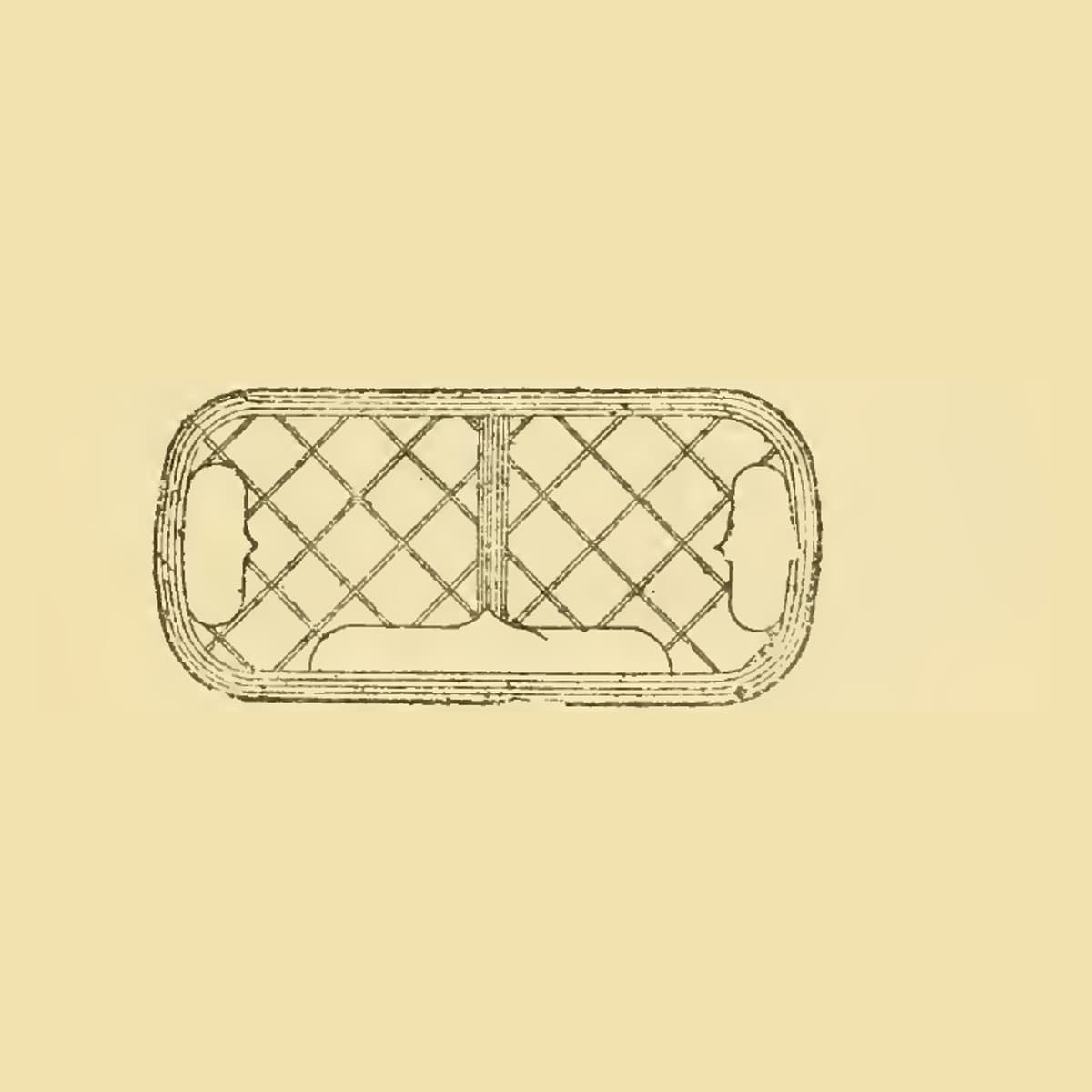
Pad Cloth for a Body Roller: Bound Kersey With Wavy Hogskin Pieces (Hasluck, Saddlery, 1904)
láti ọwọ́ Tex
Aṣọ àti Awọ
2
0
0
0
0
0
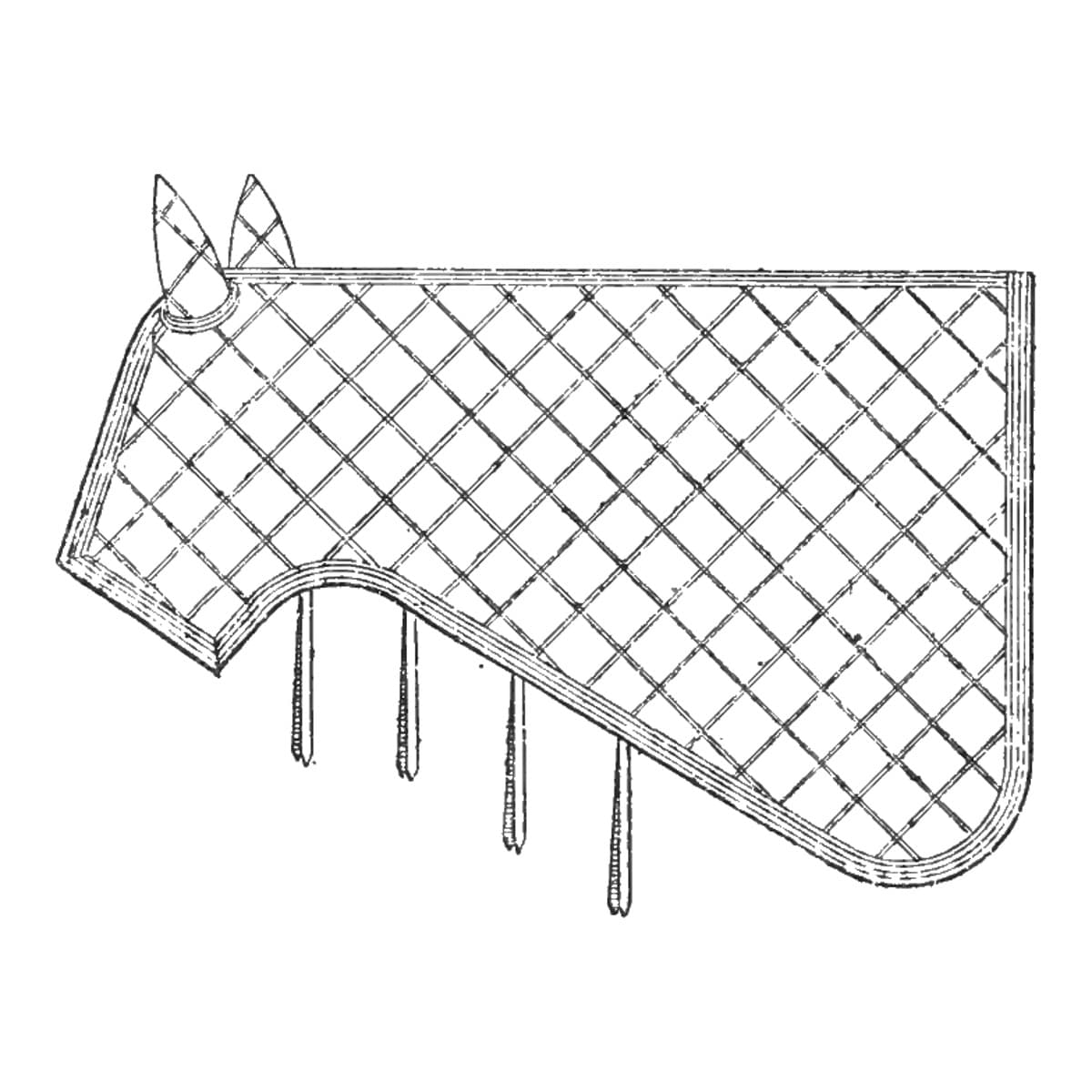
Horse Hood: Two-Piece Cloth Hood With Ear Covers, Bound Edges and Jaw Strap (Hasluck, Saddlery, 1904)
láti ọwọ́ Tex
Aṣọ àti Awọ
8
0
0
0
0
0
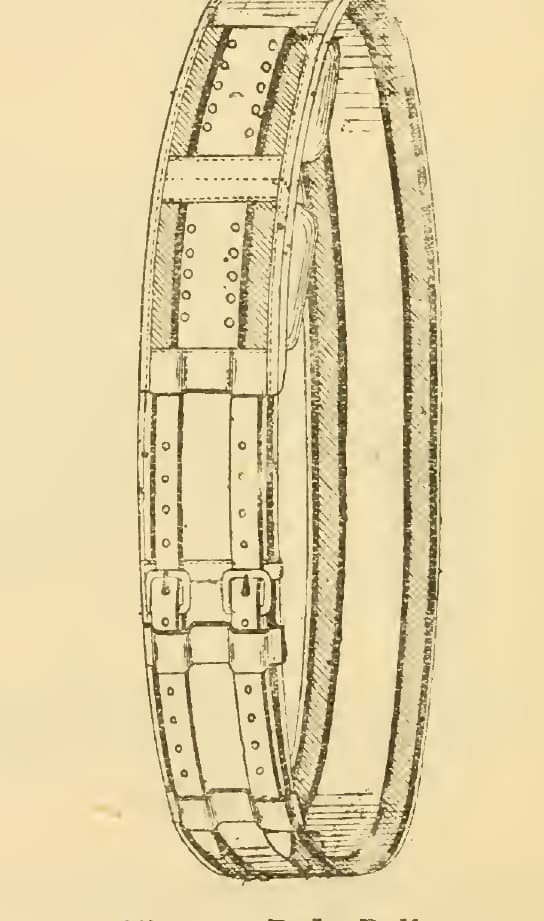
Body Roller: Web Band With a Quilted, Flock-Stuffed Pad and Two Buckled Straps (Hasluck, Saddlery, 1904)
láti ọwọ́ Tex
Aṣọ àti Awọ
10
0
0
0
0
0
CC0 Àgbègbè Gbogbogbò
Blueprint yìí ti jáde lábẹ́ CC0. O lè ṣe àdàkọ, yí padà, pín, àti lò láìsí ìyọ̀ǹda.
Ṣàtìlẹ́yìn Olùṣẹ́dá nípa rírà àwọn ọjà nipasẹ̀ Blueprint wọn Ẹ̀san Olùṣẹ́dá tí àwọn Olùtajà gbé kalẹ̀, tàbí ṣẹ̀dá àtúnṣe tuntun ti Blueprint yìí kí o sì fi sínú Blueprint rẹ gẹ́gẹ́ bí ìsopọ̀ láti pín owó-wíwọlé.