IṢẸ́ ỌNÀ
ẸWÀ ÀTI ÌLERA
IṢẸ́ ỌWỌ́
ÀṢÀ ÀTI ÌTÀN
ÌṢERÉ
ÀYÍKÁ
OÚNJẸ ÀTI OHUN MÍMU
REVERSE ENGINEERING
SÁYẸ́ǸSÌ
ERÉ ÌDÁRAYÁ
ÌMỌ̀-Ẹ̀RỌ
ÀWỌN OHUN WÍWỌ̀
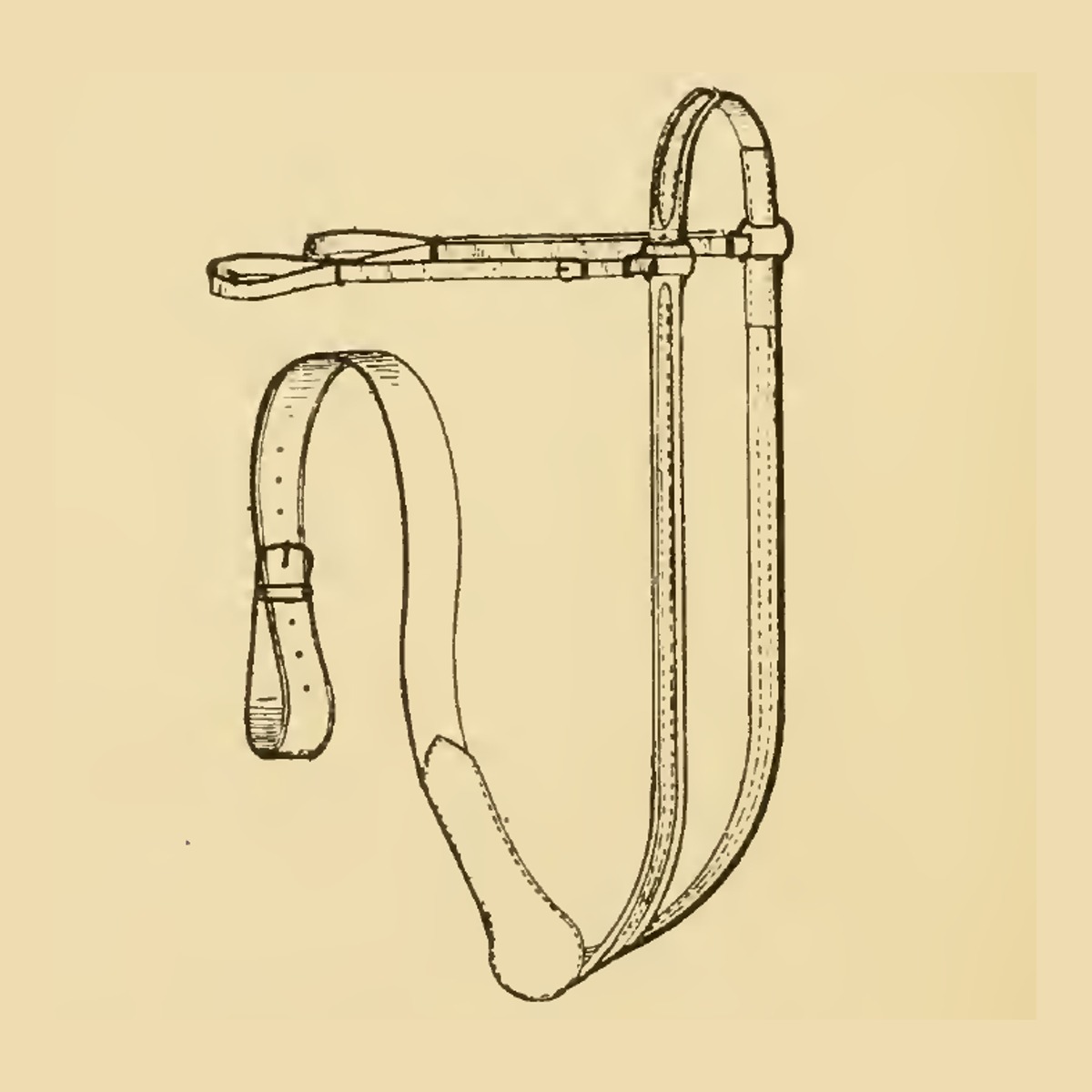

Saddle Breastplate: Rounded Side Straps, Neck Strap and Girth Strap on Covered Rings (Hasluck, Saddlery, 1904)
A breastplate stops a riding saddle sliding backwards, as a crupper stops it sliding forwards. This is the hunting saddle breastplate from Paul N. Hasluck's Saddlery (1904): two rounded side straps from the shoulders to a ring at the chest, a cross strap over the neck, two small buckle straps to the saddle staples, and a strap between the forelegs to the girth. Every size is his.
Ilọsíwájú
About 1 day
Ìlànà
1
1
His sizes in centimetres
His sizes in centimetres
Ń ṣí ìwé Jupyter…
2
2
Read Saddlery, ch. V
Read Saddlery, ch. V
"Breastplates (Fig. 10) are made for hunting saddles to prevent them falling backwards, just as the crupper keeps them from advancing too far."
3
3
Get the rings and buckles
Get the rings and buckles
You need one 1-1/2 in covered ring, two 1 in covered rings, two 5/8 in covered buckles and one 1 in covered buckle.
Àwọn ohun èlò fún ìgbésẹ̀ yìí:
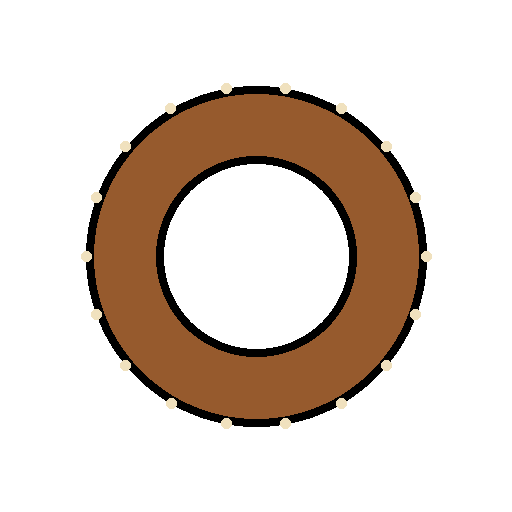 Òrùka tí a fi awọ bò3 ẹyọ
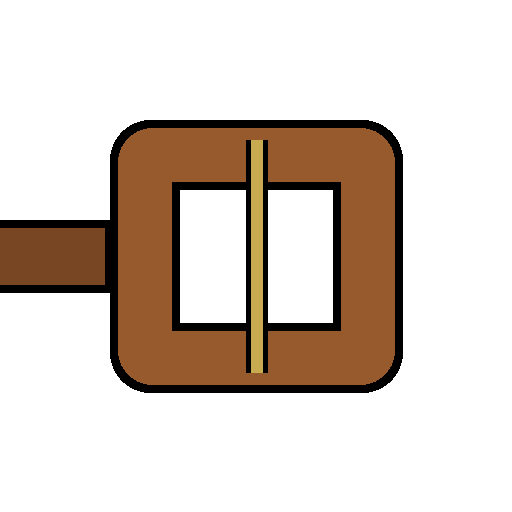 Bọ́kùlù tí a fi awọ bò3 ẹyọ
Àwọn irinṣẹ́ tí a nílò:
 Okùn Ìdíwọ̀n
4
4
Make the two side straps
Make the two side straps
Cut two side straps 7/8 in wide and 2 ft long when turned over the rings at each end. Round the top on the groove board, stuffing it with strands of soft cord. Stitch them along both sides very finely with silk cotton or linen thread, putting a 1 in ring at one end of each and both other ends into the 1-1/2 in ring. Polish the edges well after stitching.
Àwọn ohun èlò fún ìgbésẹ̀ yìí:
 Awọ ohun èlò ẹṣin1 ẹyọ
 Okùn1 ẹyọ
 Òwú ọ̀gbọ̀1 ẹyọ
 Ìdí Oyin1 ẹyọÒrùka tí a fi awọ bò3 ẹyọ
Àwọn irinṣẹ́ tí a nílò:
 Ọ̀bẹ awọ
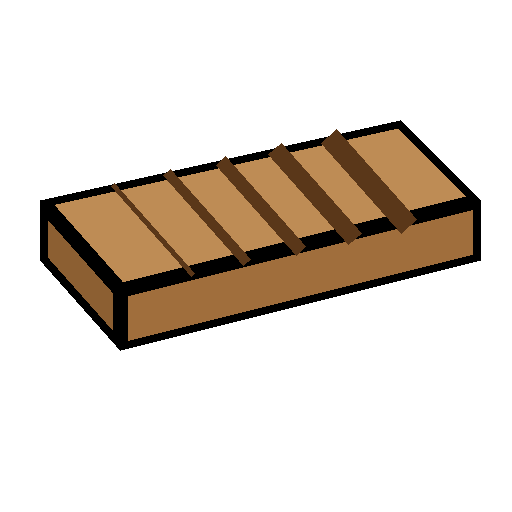 Pákó ìmọ okùn gàárì
 Ọ̀kọ̀ Ìlùhò
 Abẹ́rẹ́ ìránṣọ awọ méjì
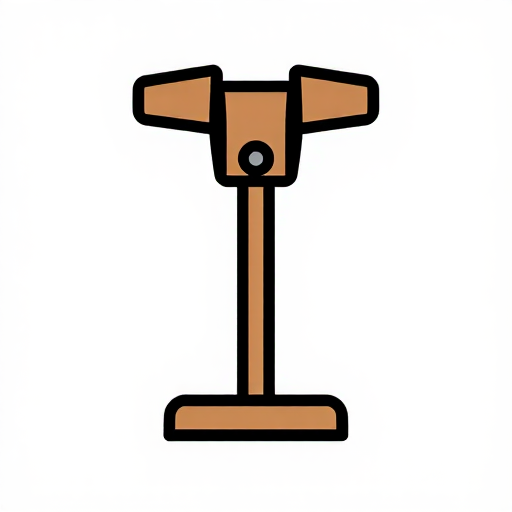 Ìmú igi fún ríran awọ
 Ohun ìdán ẹ̀gbẹ́ awọOkùn Ìdíwọ̀n
5
5
Make the cross strap
Make the cross strap
Cut a 1-3/8 in strap to be 10 in long when bent over the rings at each end; shave the ends and prick the sides finely like the shoulder piece. Cut another piece 9-1/4 in long when bent for the rings, 7/8 in wide at both ends and widening gradually to 1-3/4 in in the centre. Put the chapes in the 1 in rings and stitch both pieces together.
Àwọn ohun èlò fún ìgbésẹ̀ yìí:
Awọ ohun èlò ẹṣin1 ẹyọÒwú ọ̀gbọ̀1 ẹyọÌdí Oyin1 ẹyọÀwọn irinṣẹ́ tí a nílò:
Ọ̀bẹ awọ Ìlà ìrán awọỌ̀kọ̀ ÌlùhòAbẹ́rẹ́ ìránṣọ awọ méjìÌmú igi fún ríran awọOkùn Ìdíwọ̀n
6
6
Make the two buckle straps
Make the two buckle straps
Make two 5/8 in straps 2 ft long, one end prepared for the buckle, the other narrowed; edge, rub and crease them with a hot checker. Put one in each 1 in ring to within 3 in of the buckle. Double the 3 in length with the buckle on top and make two loops between the two leathers. Stitch from the ring along both sides to the buckle, fastening the loops at the same time. Finish the edges of the stitched part and make seven or eight holes in the points.
Àwọn ohun èlò fún ìgbésẹ̀ yìí:
Awọ ohun èlò ẹṣin1 ẹyọBọ́kùlù tí a fi awọ bò2 ẹyọÒwú ọ̀gbọ̀1 ẹyọÌdí Oyin1 ẹyọÀwọn irinṣẹ́ tí a nílò:
Ọ̀bẹ awọ Ohun èlò ìbẹ etíOhun ìdán ẹ̀gbẹ́ awọ
 Ohun èlò ìká
 Ọ̀pá Iná Pùróféènì
 Igi ìmọ òrùka awọỌ̀kọ̀ ÌlùhòAbẹ́rẹ́ ìránṣọ awọ méjì
 Ohun èlò ìlu ihò awọ
7
7
Make the girth strap
Make the girth strap
Cut a strap 1-1/4 in wide and 3 ft long. Narrow it to 1 in at 1 ft from the bend at the ring and turn it down for the 1 in buckle at the narrow end; edge, rub and crease it, then put the buckle in the reverse way. Cut eight or nine holes, beginning about 8 in from the buckle, and buckle the strap back on itself to make a loop for the girth (bellyband) to pass through.
Àwọn ohun èlò fún ìgbésẹ̀ yìí:
Awọ ohun èlò ẹṣin1 ẹyọBọ́kùlù tí a fi awọ bò1 ẹyọÒwú ọ̀gbọ̀1 ẹyọÌdí Oyin1 ẹyọÀwọn irinṣẹ́ tí a nílò:
Ọ̀bẹ awọOhun èlò ìbẹ etíOhun ìdán ẹ̀gbẹ́ awọOhun èlò ìkáỌ̀pá Iná PùróféènìỌ̀kọ̀ ÌlùhòAbẹ́rẹ́ ìránṣọ awọ méjìOhun èlò ìlu ihò awọ8
8
Fit the safe
Fit the safe
Put the other end of the girth strap in the 1-1/2 in ring. Cut a safe to go under it, running up under the ring round the top part and down about 3-1/2 in below the bend, narrowing towards the end almost to the width of the strap. Crease the safe and place it under the chape and ring; stitch it down on both sides with a fancy stitch in the centre. Line the safe with chamois or very thin buff, stitched in all round, stuff a little flock through the opening at the bottom, and close the opening with fancy stitching such as an arrow point. He adds that it can be made of single leather without lining, only the bends being stitched.
Àwọn ohun èlò fún ìgbésẹ̀ yìí:
Awọ ohun èlò ẹṣin1 ẹyọ Awọ rírọ̀ fún ìnu nǹkan1 ẹyọ
 Irun àgùntàn ìkún1 ẹyọÒwú ọ̀gbọ̀1 ẹyọÌdí Oyin1 ẹyọ
Àwọn irinṣẹ́ tí a nílò:
Ọ̀bẹ awọOhun èlò ìkáỌ̀pá Iná PùróféènìỌ̀kọ̀ ÌlùhòAbẹ́rẹ́ ìránṣọ awọ méjìÌmú igi fún ríran awọ9
9
Put it on the horse
Put it on the horse
The long side straps run down from the shoulder to the chest, and the short cross strap passes over the neck at the top. The two small straps buckle to the staples in front of the saddle, and the girth strap runs from the big ring under the belly between the forelegs to the girth.
10
10
Troubleshooting
Troubleshooting
Breastplate troubleshooting.
Flow
Loading...
11
11
History and honest limits
History and honest limits
From **Saddlery**, edited by Paul N. Hasluck, David McKay, 1904 (archive.org saddlery00hasl), chapter V, "Saddle Cruppers, Breastplates, and Other Accessories", breastplates, pp. 41-44, Fig. 10; every fraction was read on the scan. He says the cross strap is pricked "like the shoulder piece" without describing a shoulder piece; check the cross strap against Fig. 10. The crupper, martingale, girths, stirrup leathers and saddle cloths of the same chapter are not made here. The tools and metric figures are ours.
Àwọn ohun-èlò
8- 3 ẹyọÀyè
- Àyè
- 5 ẹyọÀyè
- 1 ẹyọÀyè
- 5 ẹyọÀyè
- 5 ẹyọÀyè
- Àyè
- 1 ẹyọÀyè
Àwọn irinṣẹ́ tó nílò
13- 1 vendor sell this, none ship to you yetÀyè
- Àyè
- Àyè
- Àyè
- Àyè
Ìtọ́nisọ́nà yìí ń ṣe
Blueprint tó jọra
Àwọn blueprint wọ̀nyí pín ìmọ̀ — ọ̀nà, ohun-èlò tàbí ìlànà
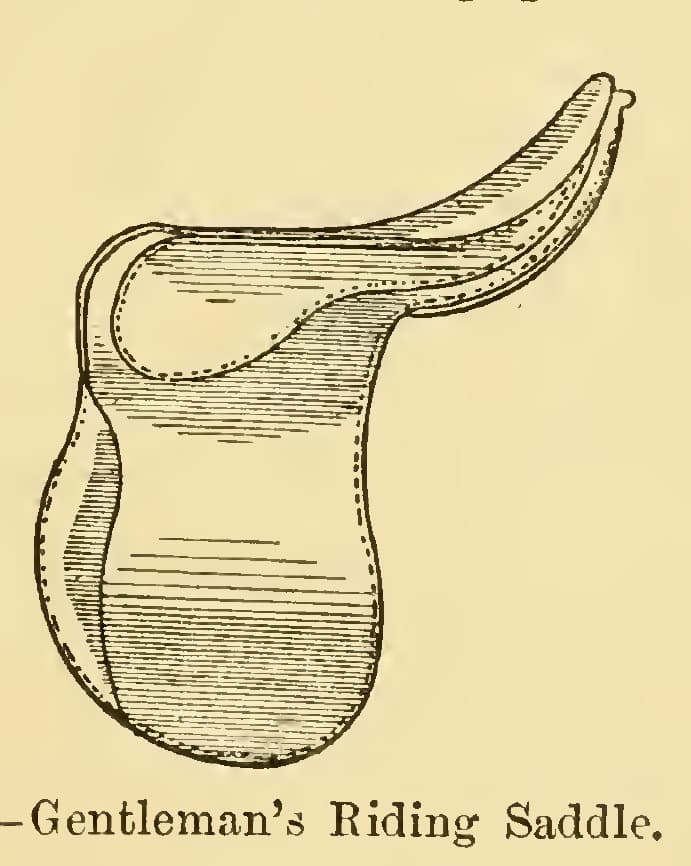
Riding Saddle: Web, Stuffed Seat, Hogskin Skirts, Knee-Pad Flaps and Quilted Panel on a Bought Tree (Hasluck, Saddlery, 1904)
láti ọwọ́ Tex
Aṣọ àti Awọ
8
0
0
0
0
0
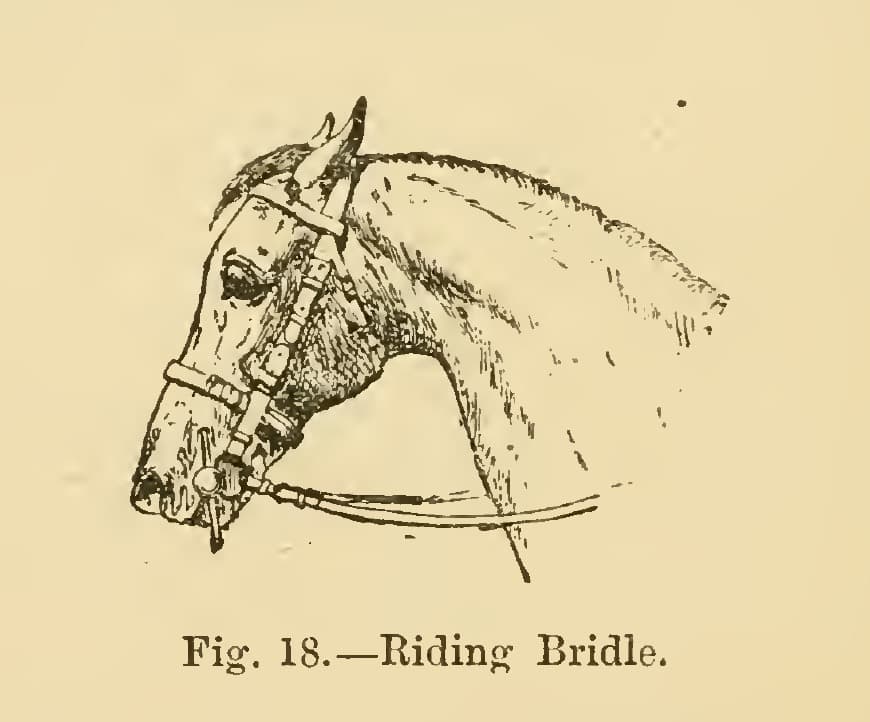
Snaffle Riding Bridle: Cheeks, Slit Head Strap, Front, Throat Lash and Reins (Hasluck, Saddlery, 1904)
láti ọwọ́ Tex
Aṣọ àti Awọ
6
0
0
0
0
0
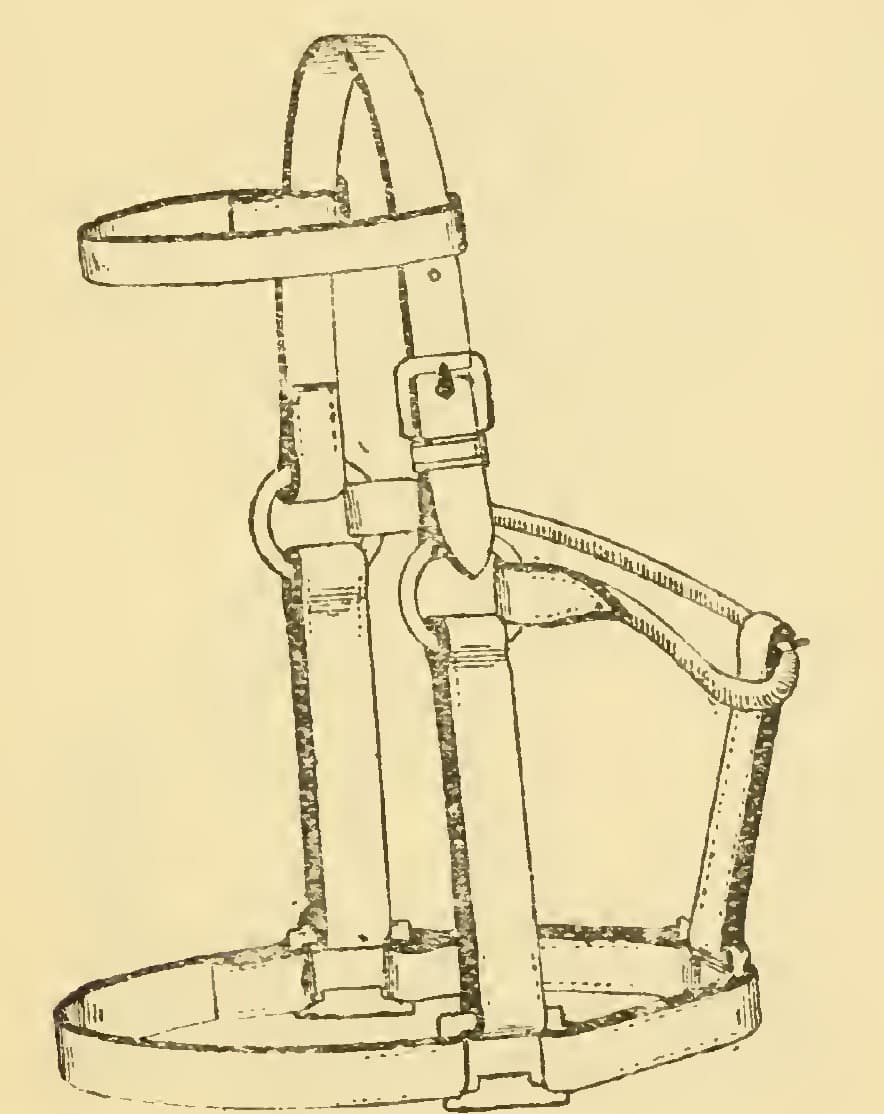
Newmarket Head Collar: Stable Halter With Squared Stays, Noseband, Cheeks and Throat Lash (Hasluck, Saddlery, 1904)
láti ọwọ́ Tex
Aṣọ àti Awọ
6
0
0
0
0
0
CC0 Àgbègbè Gbogbogbò
Blueprint yìí ti jáde lábẹ́ CC0. O lè ṣe àdàkọ, yí padà, pín, àti lò láìsí ìyọ̀ǹda.
Ṣàtìlẹ́yìn Olùṣẹ́dá nípa rírà àwọn ọjà nipasẹ̀ Blueprint wọn Ẹ̀san Olùṣẹ́dá tí àwọn Olùtajà gbé kalẹ̀, tàbí ṣẹ̀dá àtúnṣe tuntun ti Blueprint yìí kí o sì fi sínú Blueprint rẹ gẹ́gẹ́ bí ìsopọ̀ láti pín owó-wíwọlé.