IṢẸ́ ỌNÀ
ẸWÀ ÀTI ÌLERA
IṢẸ́ ỌWỌ́
ÀṢÀ ÀTI ÌTÀN
ÌṢERÉ
ÀYÍKÁ
OÚNJẸ ÀTI OHUN MÍMU
REVERSE ENGINEERING
SÁYẸ́ǸSÌ
ERÉ ÌDÁRAYÁ
ÌMỌ̀-Ẹ̀RỌ
ÀWỌN OHUN WÍWỌ̀
The Electric Self-Starter: Kettering's Motor-Generator
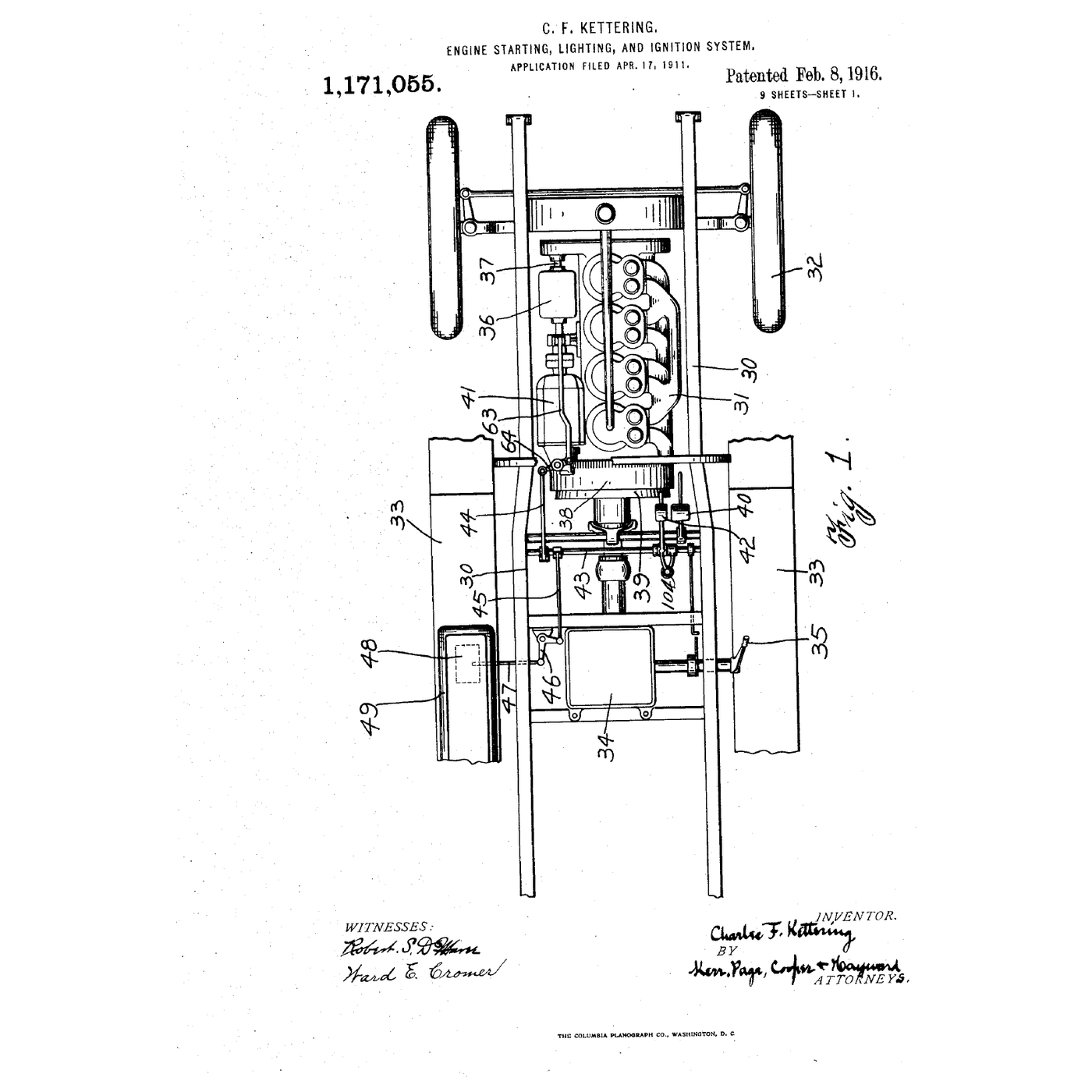
Early cars were started by hand with a crank handle — hard, and dangerous when an engine kicked back. Charles F. Kettering, at the Dayton Engineering Laboratories Company (Delco), filed in 1911 for a system in which one electric machine starts the engine as a motor and then, driven by it, runs as a generator to recharge the battery and power the lights and ignition. Cadillac fitted it from 1912.
His specification gives the trick that made a small machine do both jobs: batteries switched *"in series to give twenty-four volts"* for starting, and six volts when the machine runs as a generator.
This rung works out the current a starter draws, runs a hobby motor as both motor and generator, and switches a heavy load with a relay the way a starter solenoid does.
Àárín
About 3 hours
Ìlànà
1
1
The starting sequence
The starting sequence
Ààyè Iṣẹ́ Blockly
Loading Blockly workspace...
2
2
Cranking current
Cranking current
Ń ṣí ìwé Jupyter…
3
3
One machine, motor and generator
One machine, motor and generator
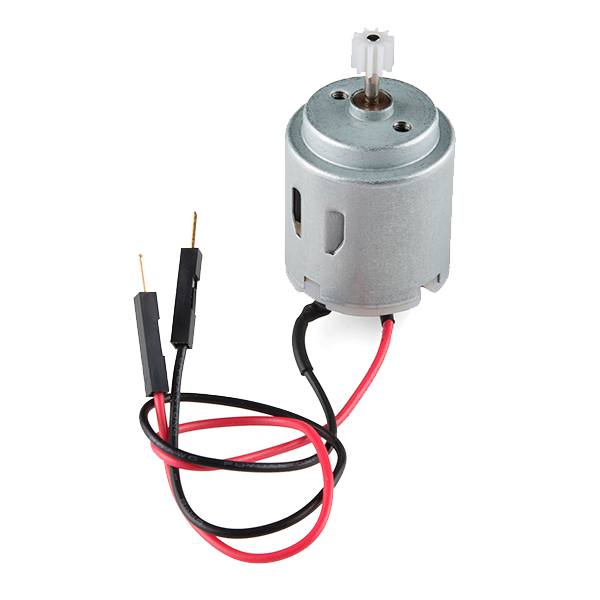
Connect a hobby motor to the bench supply and read the current as it runs free, then as you load its shaft with your fingers: current rises with load. That is the motor half.
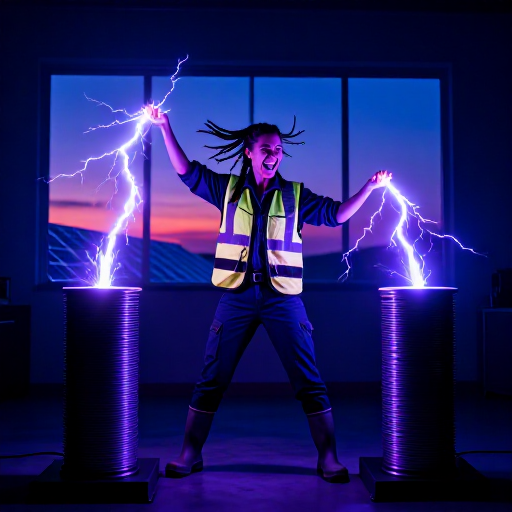
Now disconnect the supply, put the multimeter across the terminals and spin the shaft with the cordless drill: it makes a voltage that rises with speed. That is the generator half. Kettering's machine did both, with separate windings arranged so it worked well in each role.
Àwọn ohun èlò fún ìgbésẹ̀ yìí:
 Hobby Motor - Gear1 ẹyọ
 Okùn Ìsopọ̀1 ìtò
Àwọn irinṣẹ́ tí a nílò:
 Orísun iná DC
 Òǹwọ̀n iná mànàmáná onírúurú
 Ẹ̀rọ Ìlùkòkò Aláìlókùn
 Ìwọ̀n Ìyípo Dígítà
4
4
The overrunning clutch that protects the starter
The overrunning clutch that protects the starter
Once the engine fires it spins far faster than the starter can. An overrunning (one-way) clutch in the drive lets the pinion free-wheel so the engine cannot drag the motor to destruction. The embedded blueprint covers how a one-way clutch grips in one direction and slips in the other.
5
5
Switch a heavy load the way a solenoid does
Switch a heavy load the way a solenoid does
A starter switch cannot carry hundreds of amps; it carries a few, to a solenoid that closes the heavy contacts. Wire a relay so that a push-button and a small current from the 12 V battery energise its coil, and its contacts switch a 10 W power resistor across the battery. Read the coil current and the load current with the clamp meter: a small current controls a large one.
Fuse the load circuit, keep the leads short, and never short a lead-acid battery: it can deliver hundreds of amps and melt a spanner.
Àwọn ohun èlò fún ìgbésẹ̀ yìí:
 Relay SPDT1 ẹyọ
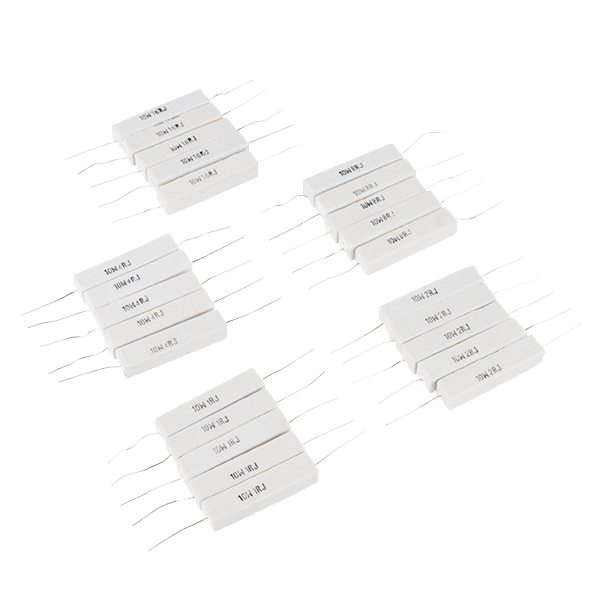 Power Resistor Kit - 10W (25 pack)1 àkópọ̀Okùn Ìsopọ̀1 ìtò
Àwọn irinṣẹ́ tí a nílò:
 Bátìrì onípò jinlẹ̀ ti 12 V
 Mítà ìdìmú AC/DC 600 AÒǹwọ̀n iná mànàmáná onírúurú
 Gílásì Ààbò Tí Ó Mọ́
6
6
History and context
History and context
**US 1,171,055, 'Engine Starting, Lighting, and Ignition System', Charles F. Kettering; filed 11 April 1911, granted 8 February 1916**, and the companion **US 1,150,523, 'Engine Starting Device', filed 15 June 1911, granted 17 August 1915**, assigned to the Dayton Engineering Laboratories Company. Cadillac made the electric starter standard from 1912, and the hand crank disappeared from cars within a decade.
**Honest limits.** A starter is short-duty: cranking for long overheats it. A weak or cold battery cannot deliver the current. And the large currents need heavy cables and sound connections — a corroded terminal is the commonest 'starter fault'.
Àwọn ohun-èlò
4- Hobby Motor - Gearìdá 10%1 ẹyọ$2.53
- láti$1.60
- 1 ẹyọÀyè
- 1 àkópọ̀$5.64
Àwọn irinṣẹ́ tó nílò
7- 1 vendor sell this, none ship to you yetÀyè
- Bátìrì onípò jinlẹ̀ ti 12 Vìdá 10%Àyè
Àpapọ̀ Ìfojúsùn
Ohun tí ẹni tó ṣe é rà. Àwọn ohun èlò tí kò ní iye owó ni o máa rà níbi tí o bá ti rà á.
Blueprint tó jọra
Àwọn blueprint wọ̀nyí pín ìmọ̀ — ọ̀nà, ohun-èlò tàbí ìlànà
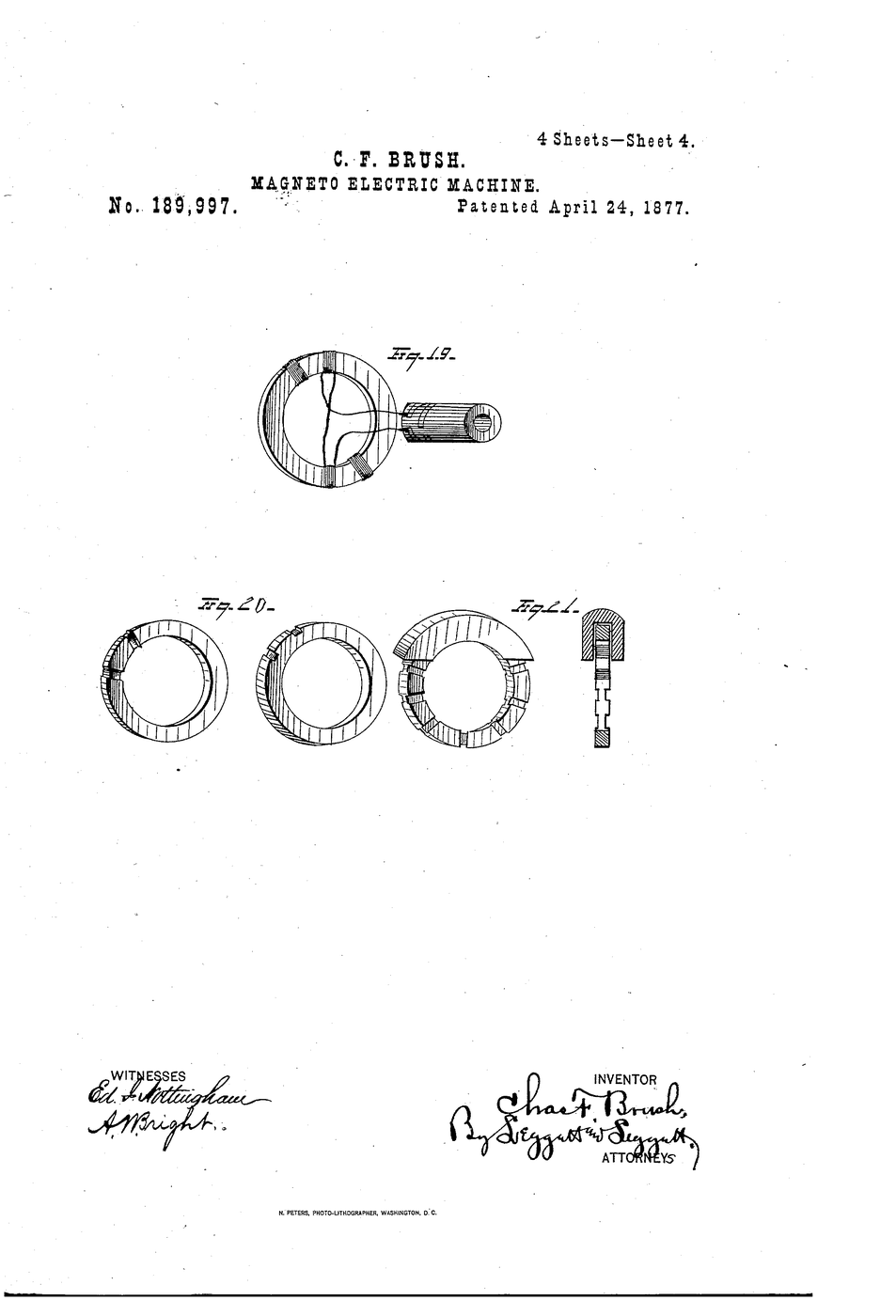
Brush Dynamo
láti ọwọ́ Emma
Agbára
38
0
0
0
1
0
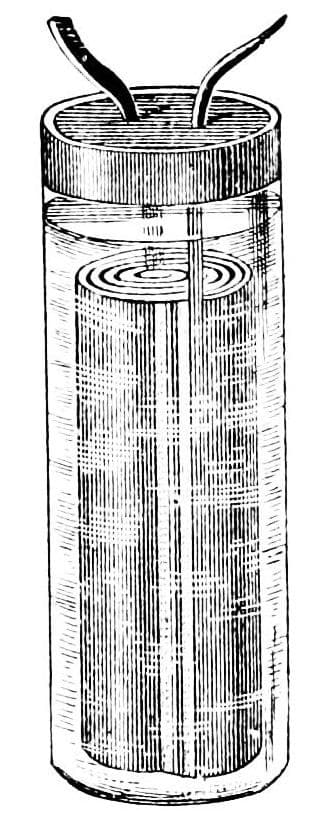
Léwu
Plante Lead-Acid Cell
láti ọwọ́ Volt
Agbára
40
0
0
0
0
0
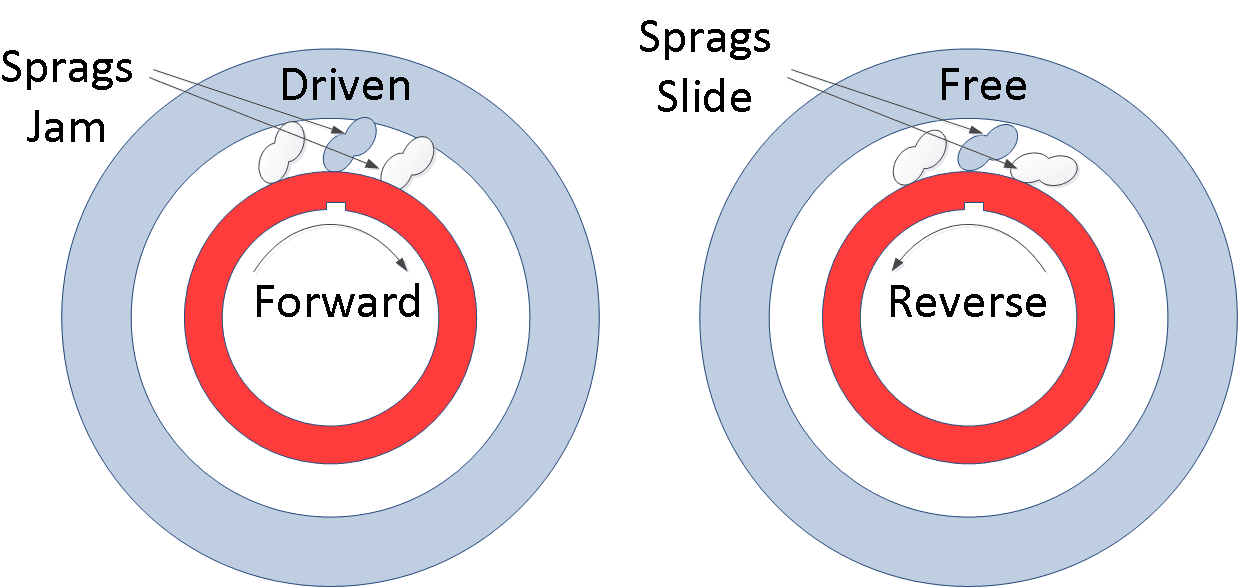
Sprag Clutch
láti ọwọ́ Martin
IṢẸ́ ỌWỌ́
45
0
0
0
0
0
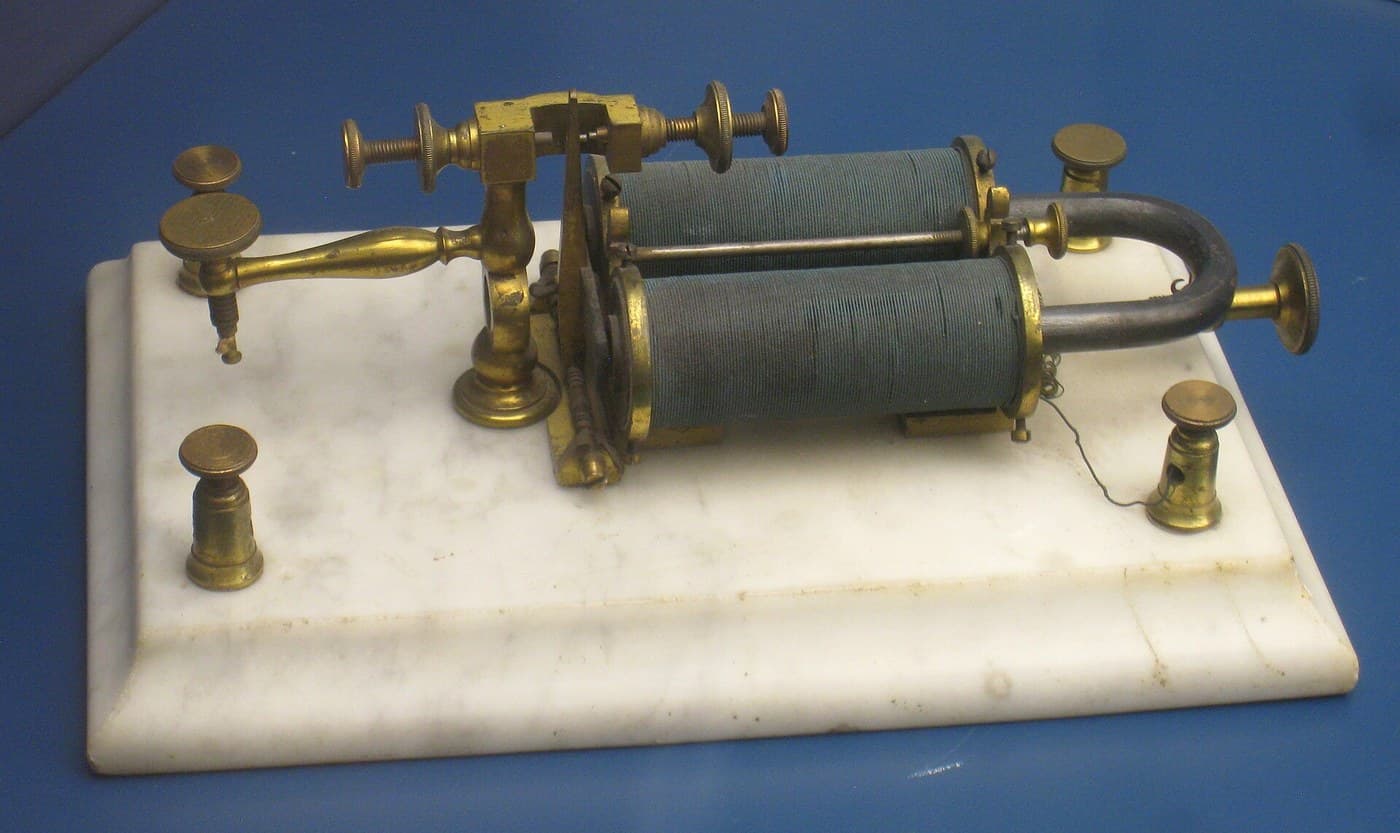
The Telegraph Relay
láti ọwọ́ Ed
Ẹ̀rọ Ìtanná
43
0
0
0
2
0
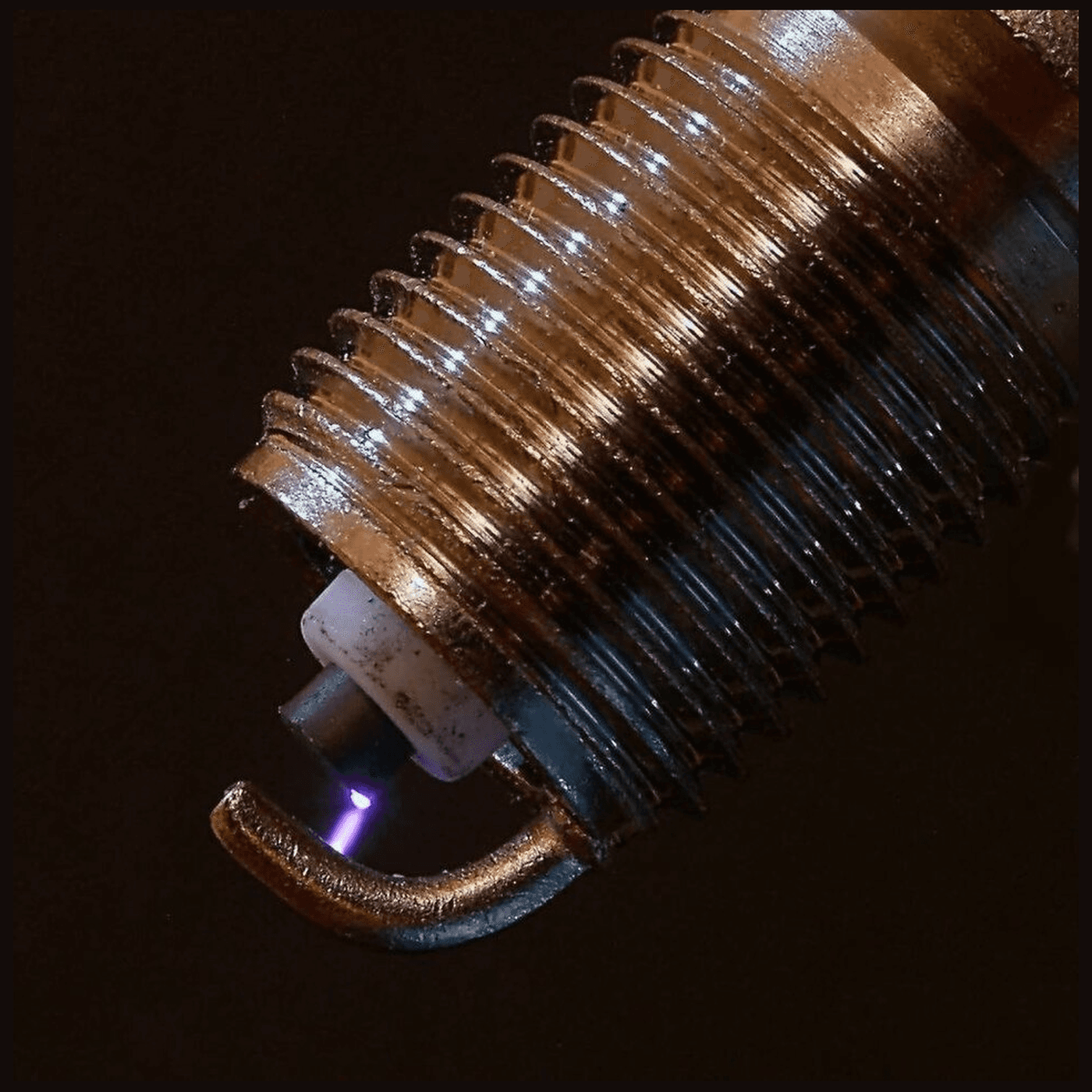
The Magneto and the Spark Plug: Thousands of Volts at the Right Moment
láti ọwọ́ Volt
Ìmọ̀ Ẹ̀rọ
2
0
0
0
0
0
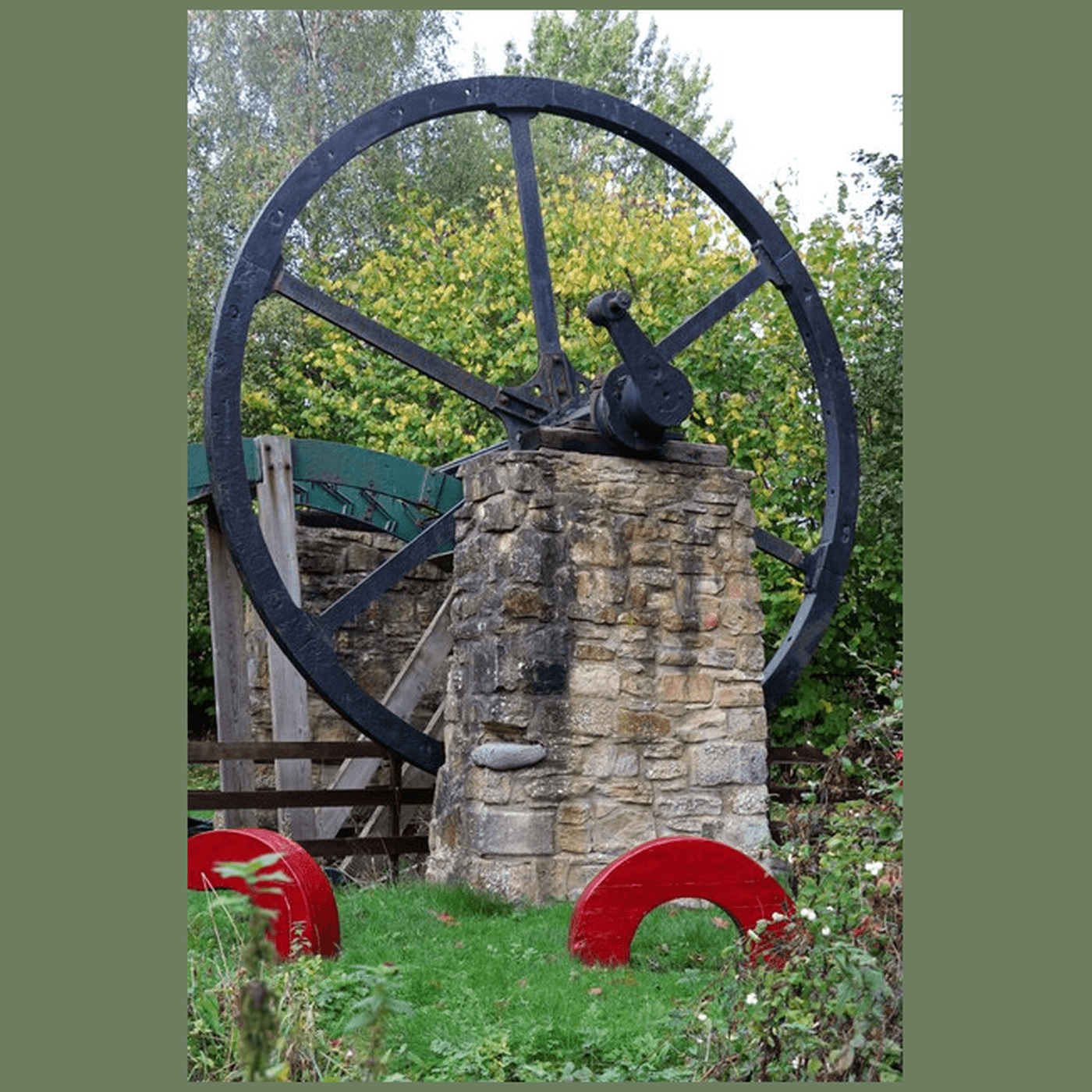
The Crank and the Flywheel: Smoothing One Bang in Two Turns
láti ọwọ́ Martin
Ìmọ̀ Ẹ̀rọ
4
0
0
0
0
0
CC0 Àgbègbè Gbogbogbò
Blueprint yìí ti jáde lábẹ́ CC0. O lè ṣe àdàkọ, yí padà, pín, àti lò láìsí ìyọ̀ǹda.
Ṣàtìlẹ́yìn Olùṣẹ́dá nípa rírà àwọn ọjà nipasẹ̀ Blueprint wọn Ẹ̀san Olùṣẹ́dá tí àwọn Olùtajà gbé kalẹ̀, tàbí ṣẹ̀dá àtúnṣe tuntun ti Blueprint yìí kí o sì fi sínú Blueprint rẹ gẹ́gẹ́ bí ìsopọ̀ láti pín owó-wíwọlé.