فن
خوبصورتی اور تندرستی
دستکاری
ثقافت اور تاریخ
تفریح
ماحول
خوراک اور مشروبات
سبز مستقبل
ریورس انجینئرنگ
سائنسز
کھیل
ٹیکنالوجی
پہننے والے آلات
Extracting Iron from Hematite — Bloomery Smelting from Ore to Bloom
Peter

تخلیق کار

Peter

22. اپریل 2026SE
0
0
0
0
0

Extracting Iron from Hematite — Bloomery Smelting from Ore to Bloom

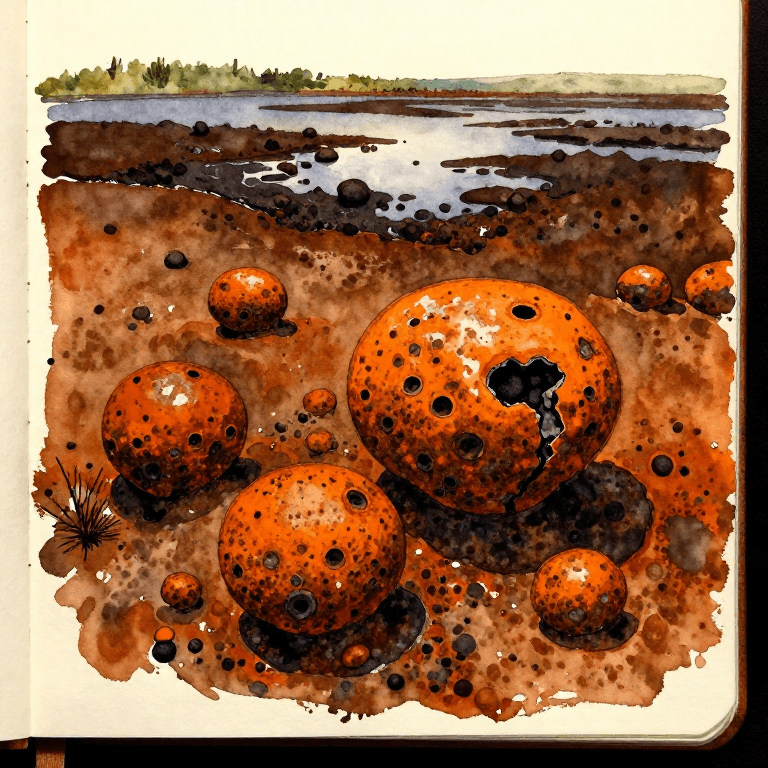
How to reduce iron oxide (Fe₂O₃) in hematite ore to metallic iron using a bloomery furnace. This ancient method, used since approximately 1200 BCE, produces a spongy mass of iron (bloom) mixed with slag. Covers ore preparation, furnace construction from clay, charcoal fuel, temperature control, and bloom extraction. The second step in the iron chain after collecting bog iron or hematite.
اعلیٰ
8-12 hours

ہدایات

1

Understand the chemistry

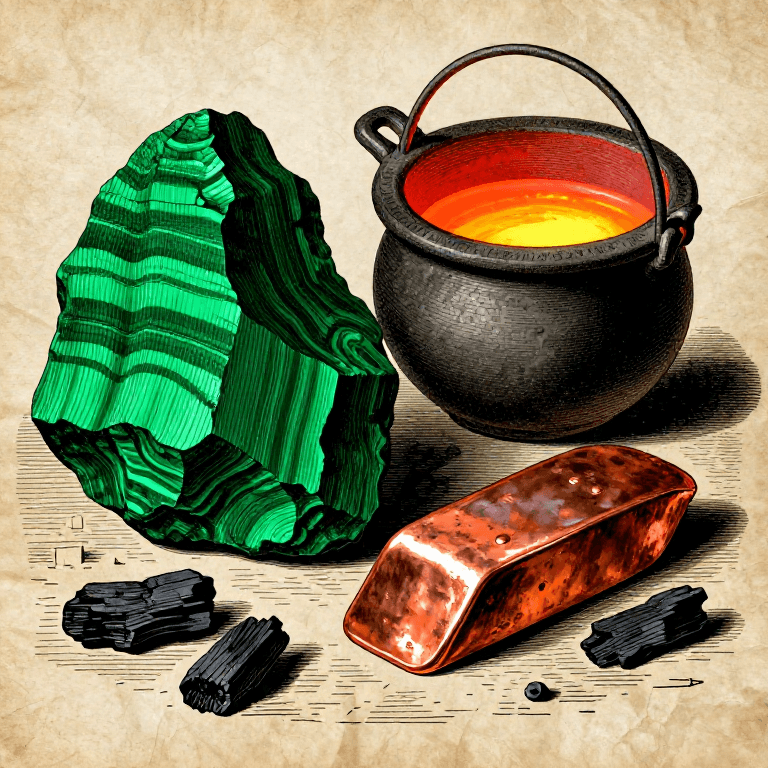
Hematite (Fe₂O₃) contains about 70% iron by mass. In a bloomery, carbon monoxide (CO) from burning charcoal reduces the iron oxide: Fe₂O₃ + 3CO → 2Fe + 3CO₂. The iron never fully melts (bloomery temperature is 1100-1300°C, iron melts at 1538°C). Instead, it forms a spongy mass called a bloom.

2

Prepare the ore

Break hematite ore into pieces no larger than 2-3 cm using a hammer on a flat stone. Smaller pieces expose more surface area to the reducing gases, improving iron yield. Remove any obviously non-iron rock (quartz, limestone) during sorting.

اس مرحلے کے لیے مواد:

Hematite OreHematite Ore5 kilogram

درکار اوزار:

Geological HammerGeological Hammer
3

Roast the ore (optional but recommended)

Heat ore pieces in an open fire for 2-3 hours at 700-800°C. Roasting drives off moisture and converts any hydrated iron oxides (limonite, goethite) to anhydrous hematite. Roasted ore is also more friable and easier to crush further. The ore turns from earthy brown to brick red.

اس مرحلے کے لیے مواد:

CharcoalCharcoal10 kilogram
4

Select a furnace site

Choose a level, well-drained area away from flammable structures. A natural slope or hillside is ideal — you can build the furnace into the slope for structural support. Ensure good access to wind for the bellows and space to work safely around the hot furnace.

5

Build the bloomery furnace from clay

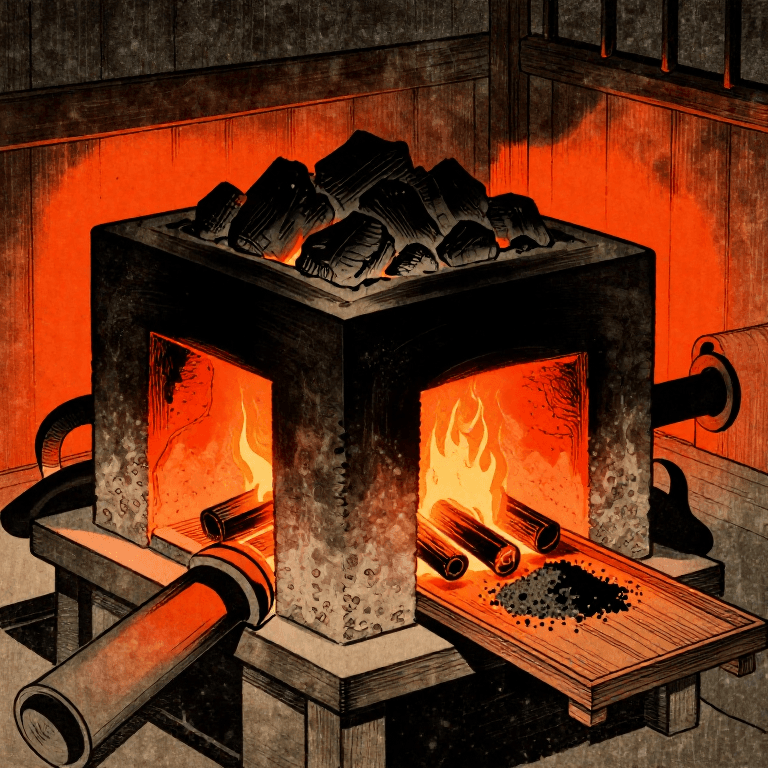
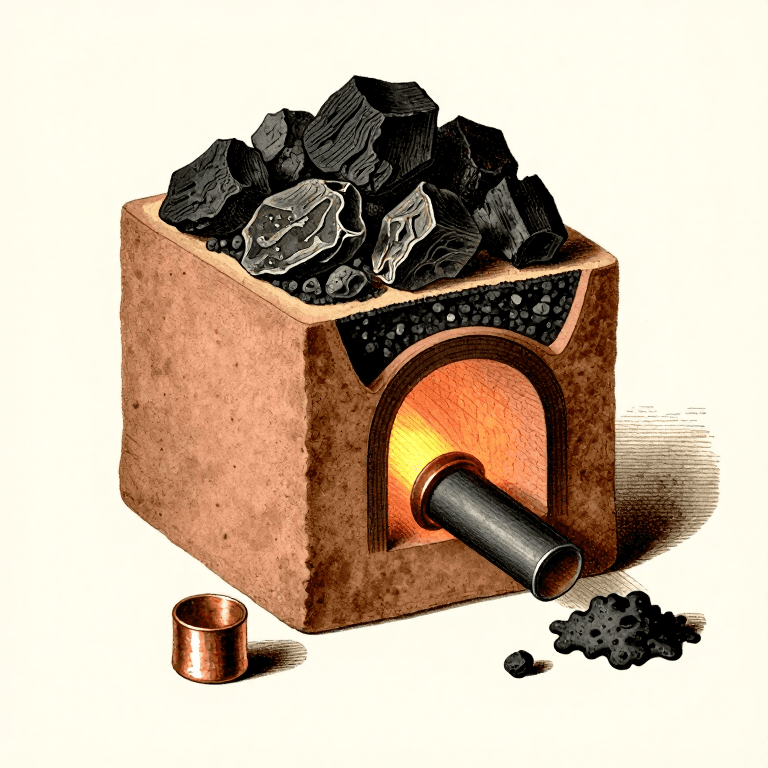
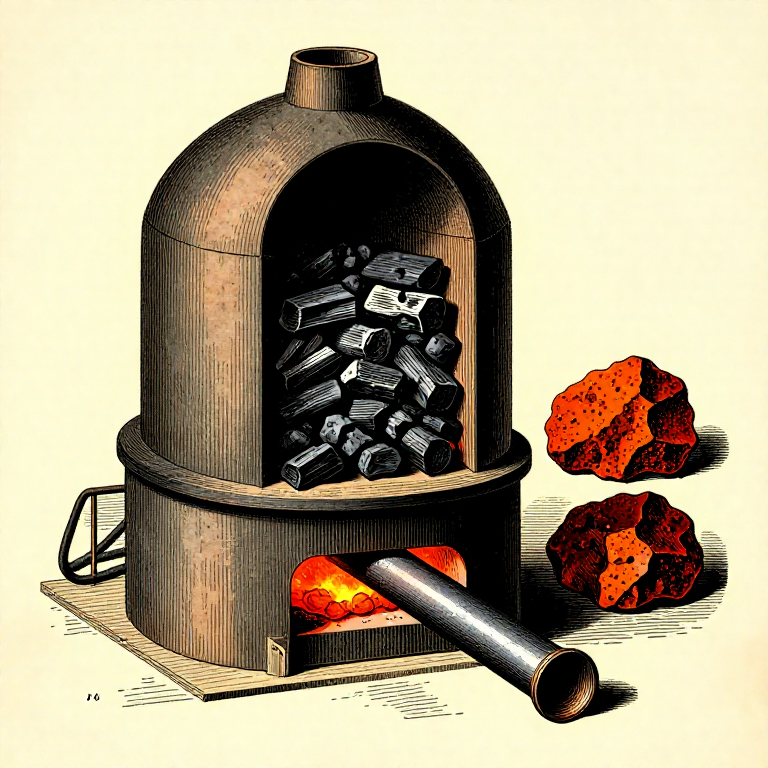
Mix clay with sand and chopped straw (ratio 3:1:0.5) to make a refractory material. Build a cylindrical shaft about 30 cm diameter and 80-100 cm tall. Leave a tuyère hole (air inlet) at the base, 5-7 cm diameter, angled slightly upward. Leave a tap arch at the bottom front for slag drainage.

اس مرحلے کے لیے مواد:

Refractory ClayRefractory Clay20 kilogram
SandSand7 kilogram
Chopped StrawChopped Straw2 kilogram
6

Let the furnace dry

Allow the furnace to dry for at least 3-5 days before first use. Rapid heating of a wet furnace causes steam explosions that crack the clay walls. A small warming fire on the last day drives out remaining moisture gradually.

7

Prepare charcoal fuel

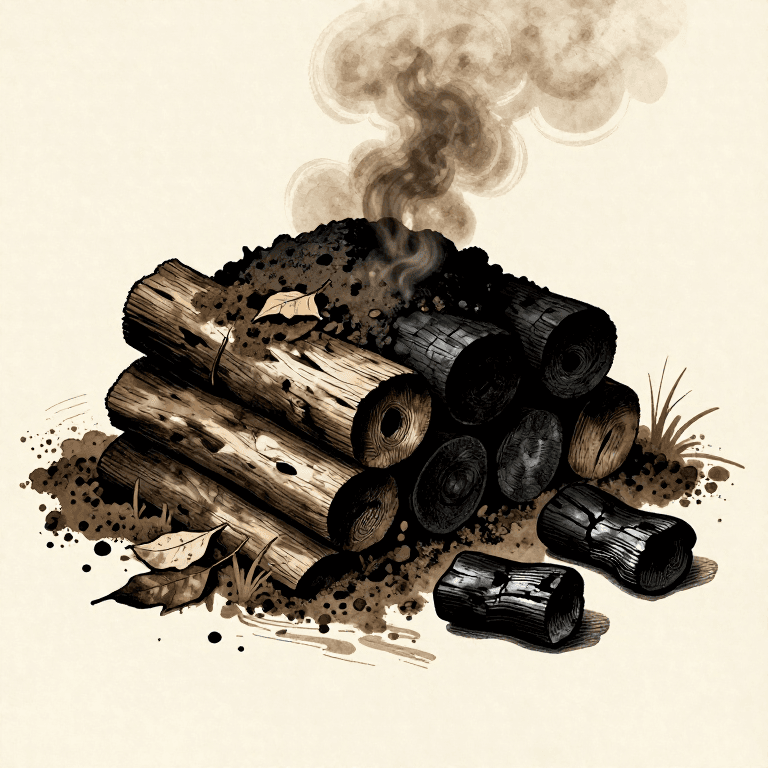
You need approximately 8-10 kg of charcoal per 1 kg of ore. Hardwood charcoal (oak, beech, birch) is best — it burns hotter and longer than softwood. Break charcoal into pieces 2-4 cm across. Total fuel needed for a 5 kg ore charge: 40-50 kg of charcoal.

اس مرحلے کے لیے مواد:

Hardwood CharcoalHardwood Charcoal50 kilogram
8

Set up the bellows

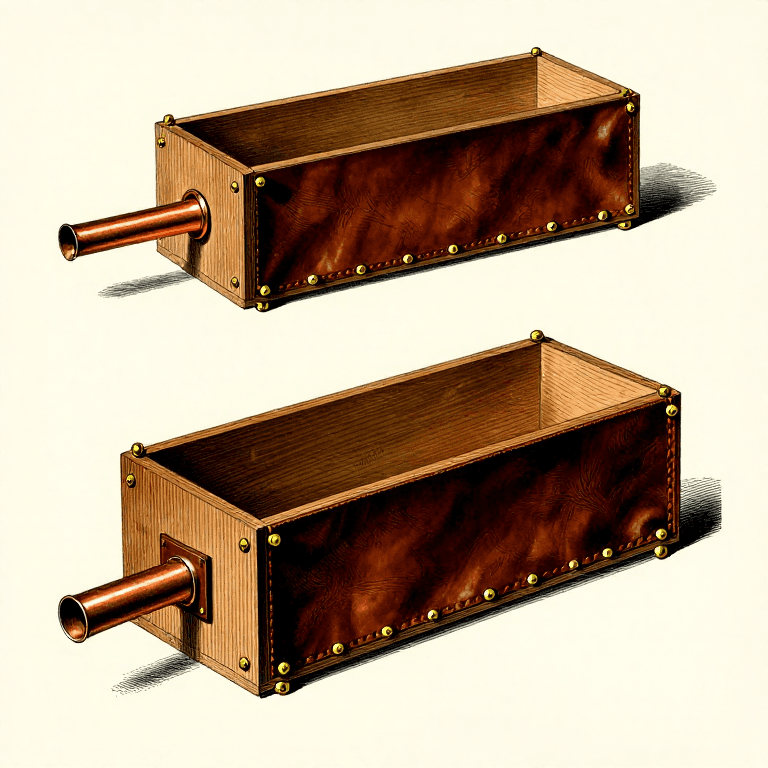
Insert the bellows nozzle (tuyère pipe) into the tuyère hole. The pipe should be ceramic or steel — it must withstand 1200°C+. The tuyère tip should protrude about 3-5 cm into the furnace interior. A two-person team alternating on bellows provides the most consistent airflow.

درکار اوزار:

BellowsBellows
Ceramic Tuyère PipeCeramic Tuyère Pipe
9

Preheat the furnace

Fill the furnace with charcoal and light from the top. Pump the bellows gently for 30-45 minutes to bring the furnace up to operating temperature. The interior should be glowing orange-white (1100-1300°C) before adding any ore.

درکار اوزار:

Long-Handled TongsLong-Handled Tongs
10

Charge ore and charcoal in layers

Once at temperature, add alternating layers of charcoal and crushed ore from the top: a 5 cm layer of charcoal, then a thin layer of ore (handful at a time). The charcoal-to-ore ratio by volume should be about 3:1. Add a new charge every 10-15 minutes as the level drops.

11

Maintain airflow with bellows

Pump the bellows in a steady rhythm — about 15-20 pumps per minute. Consistent airflow is critical: too little air and the temperature drops below reduction temperature, too much and you burn the iron to slag. The sound of the furnace changes from a dull roar to a higher pitch when temperature is correct.

12

Tap the slag

Every 30-60 minutes, open the slag tap at the base and let liquid slag flow out. Slag is a glassy, dark liquid of iron silicate (fayalite). If slag accumulates it blocks airflow and drops the temperature. Use a stick to clear the tap hole if it clogs. Wear leather apron and face shield.

درکار اوزار:

Slag Poking StickSlag Poking Stick
Leather ApronLeather Apron
Face ShieldFace Shield
13

Continue the smelt for 4-8 hours

The total smelt time is 4-8 hours of continuous operation. Keep adding charcoal and ore in layers. Keep bellows pumping. The bloom forms at the bottom of the furnace where reduced iron particles weld together in the heat. A 5 kg ore charge typically takes 6 hours.

14

Let the furnace cool partially

When all ore and charcoal are consumed, stop the bellows and let the furnace cool for 1-2 hours. Do not quench with water — thermal shock can crack the bloom. The bloom needs to be warm enough to handle with tongs but not so hot that it deforms on extraction.

15

Extract the bloom

Break open the front of the furnace at the tap arch. Using long-handled tongs, pull the bloom out. It will be a rough, spongy mass of iron mixed with trapped slag and charcoal, roughly fist-sized to melon-sized depending on ore charge. It glows dull red.

درکار اوزار:

Long-Handled TongsLong-Handled Tongs
16

Consolidate the bloom by hammering

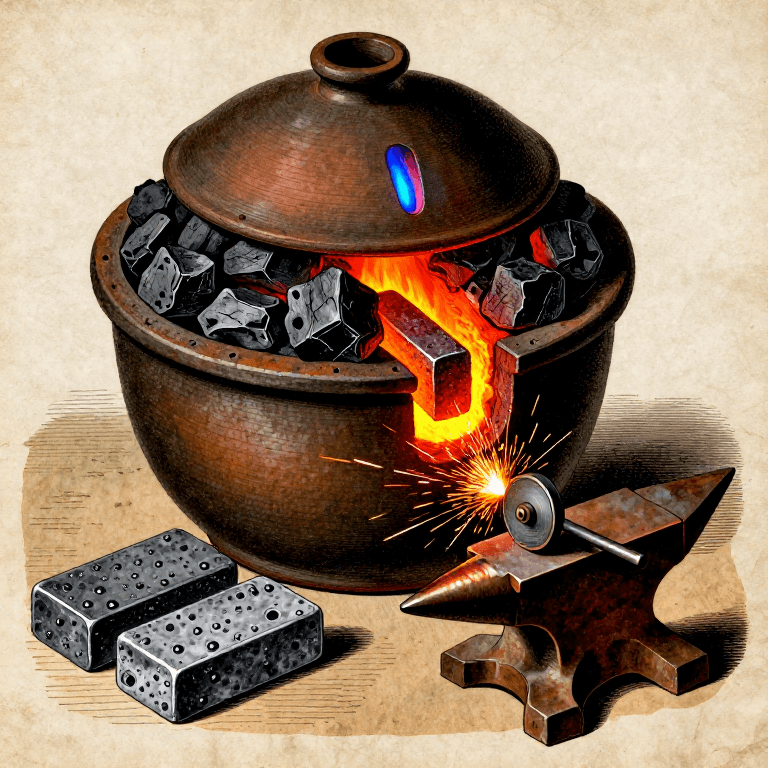
While still hot (above 800°C, glowing red), hammer the bloom on an anvil or flat stone to squeeze out trapped slag. The slag drips out as bright sparks. Fold and hammer repeatedly. This process, called shingling, compresses the spongy iron into a denser, workable billet.

درکار اوزار:

Heavy Hammer (2-3 kg)Heavy Hammer (2-3 kg)
Anvil or Flat StoneAnvil or Flat Stone
17

Assess the yield

Weigh the consolidated bloom. A typical bloomery yield is 10-25% of the ore weight as metallic iron. From 5 kg of hematite, expect 500 g to 1.25 kg of usable iron. The iron is low-carbon (wrought iron) unless it absorbed carbon from the charcoal during smelting.

درکار اوزار:

Kitchen ScaleKitchen Scale
18

Store the iron billet

Let the billet cool completely in still air. Store in a dry place — wrought iron rusts easily. Coat with a thin layer of oil or beeswax to prevent oxidation during storage. This iron is now ready for forging into tools, weapons, or hardware.

اس مرحلے کے لیے مواد:

Linseed Oil or BeeswaxLinseed Oil or Beeswax50 milliliter

مواد

7

درکار اوزار

10

CC0 پبلک ڈومین

یہ بلیو پرنٹ CC0 کے تحت جاری کیا گیا ہے۔ آپ اجازت لیے بغیر اس کام کو نقل، ترمیم، تقسیم اور کسی بھی مقصد کے لیے استعمال کرنے کے لیے آزاد ہیں۔

میکر کی حمایت کریں ان کے بلیو پرنٹ کے ذریعے پروڈکٹس خرید کر جہاں وہ میکر کمیشن وینڈرز کی طرف سے مقرر، کماتے ہیں، یا اس بلیو پرنٹ کی نئی تکرار بنائیں اور آمدنی شیئر کرنے کے لیے اسے اپنے بلیو پرنٹ میں کنکشن کے طور پر شامل کریں۔

بحث

(0)

لاگ ان بحث میں شامل ہونے کے لیے

تبصرے لوڈ ہو رہے ہیں...