Współpraca
SZTUKA
Piękno i dobre samopoczucie
RZEMIOSŁO
KULTURA I HISTORIA
ROZRYWKA
ŚRODOWISKO
JEDZENIE I NAPOJE
INŻYNIERIA ODWROTNA
NAUKI
LEKKOATLETYKA
TECHNOLOGIA
URZĄDZENIA DO NOSZENIA
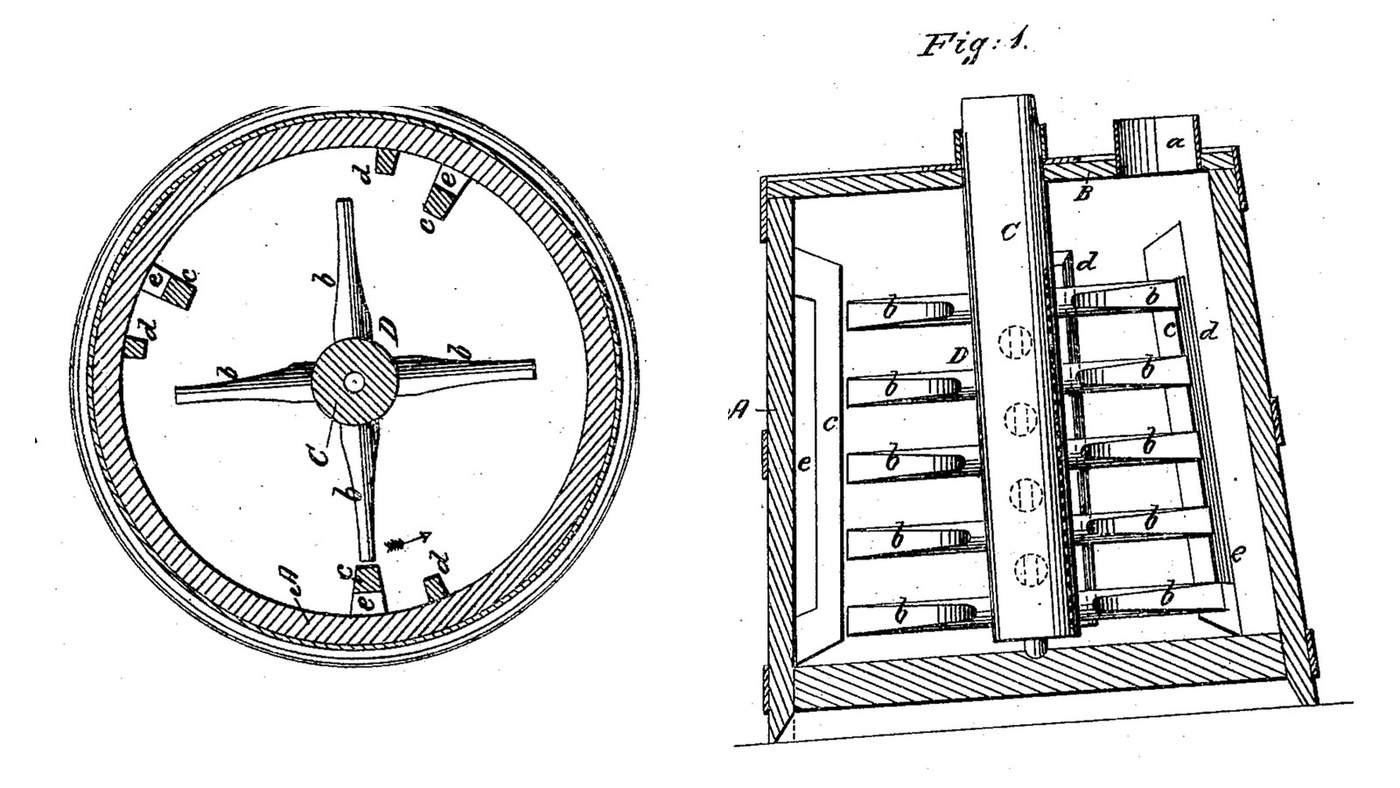

Brake-and-Ledge Bar Dasher Churn: Slotted Brakes Break the Current, Ledges Turn It Back to the Dasher
James Taylor of Rushville, Illinois, received US 25,453, dated 13 September 1859, for a churn. An upright dasher of horizontal bars, flattened out towards their ends, turns in a wooden tub and sets the cream turning. Upright brakes inside the tub break the current, and slots in them next to the wall let part of it run on to narrower ledges, which turn it back towards the dasher.
The patent gives no sizes; every size here is ours.
Średniozaawansowany
About 2 days
Instrukcje
1
1
Bars, brakes and how much cream
Bars, brakes and how much cream
Wczytywanie notatnika Jupyter…
2
2
Breakers round a turning dasher, a few weeks before
Breakers round a turning dasher, a few weeks before
Sperry's breakers stood on a frame. Taylor fixes his to the tub's wall and slots them next to it.
3
3
Read US 25,453
Read US 25,453
"by the action of the dasher the mass of cream or milk in the tub is caused to assume a rotary motion, and the current thus created by coming in contact with the brakes, c, is thrown violently against the sides of the tub and as it passes through the openings, e, in the back part of these brakes and along the sides of the tub, it (the current) strikes against the ledges, d, whereby it is turned in again, toward the dasher"
4
4
Tub A and cover B
Tub A and cover B
Use a wooden tub 260 mm across inside at the bottom, 230 mm at the top and 420 mm deep, with its top hoop driven up to stand 25 mm above the staves. Glue a hardwood step, 70 mm across and 22 mm thick with a 27 mm hole 16 mm deep, in the middle of the floor. Cut a round cover to drop inside the top hoop, saw it in two across the middle, and bore a 42 mm hole in the middle and a 20 mm air hole 80 mm off it.
Materiały do tego kroku:
 Drewniana balia1 sztuka
 Deska z drewna liściastego1 sztuka
 Klej do drewna1 sztuka
Potrzebne narzędzia:
 Wyrzynarka
 Piła ręczna
 Wiertarko-wkrętarka akumulatorowa
 Zestaw wierteł łopatkowych
 Pobijak drewniany
 Miara zwijana
5
5
Brakes c and ledges d
Brakes c and ledges d
From 12 mm hardwood cut three brakes 30 mm wide and three ledges 18 mm wide, 345 mm long, their outer edges planed to the staves' slope. In each brake cut a slot 10 mm wide next to its outer edge, stopping 40 mm from each end: the openings e. Screw the brakes upright to the staves through the wall, 15 mm above the floor, one every third of the way round. Screw a ledge 15 degrees after each brake, in the way the dasher turns.
Materiały do tego kroku:
Deska z drewna liściastego1 sztuka Wkręty do drewna18 sztuk
Potrzebne narzędzia:
 Pilarka stołowaWyrzynarkaWiertarko-wkrętarka akumulatorowa
 Zestaw wierteł
 Zestaw wkrętaków
 Papier ścierny
6
6
Dasher D and its crank
Dasher D and its crank
Turn a hardwood shaft C 40 mm across and 503 mm long, its foot turned to 25 mm for 15 mm and its top 24 mm square for 30 mm. Chisel five 25 mm square mortises through it at 45, 110, 175, 240 and 305 mm from the floor, each turned 90 degrees from the last. Cut five bars from 25 x 50 mm hardwood, as long as the tub allows at their height (179, 174, 170, 165 and 160 mm), and shave each from 25 mm square at the middle out to 50 x 8 mm at the ends. Glue them through the shaft. Fit a hardwood crank 190 mm long with a handle on the square top.
Materiały do tego kroku:
Deska z drewna liściastego2 sztukKlej do drewna1 sztuka Kołki z twardego drewna1 sztuka
Potrzebne narzędzia:
 Tokarka do drewna
 Dłuto do gniazdPobijak drewniany
 Strug kabłąkowyPiła ręcznaPapier ściernyMiara zwijana
7
7
The build in 3D
The build in 3D
FreeCAD model of this build, the tub, hoops and cover cut through the middle: the three brakes with their openings, the three ledges, and the dasher with its five bars and crank. The dasher was turned through 24 angles.
8
8
Churn
Churn
Stand the dasher's foot in the step and fill the tub with about 15 litres of heavy cream at about 15 °C, checked with the thermometer, up to the upper bar. Put the cover's halves on round the shaft. Turn the crank steadily the way the ledges face, timing it. When the butter comes, lift the cover and dasher, take out the butter, drain the buttermilk, wash the butter in cold water until it runs clear, work in a pinch of salt and weigh it.
Materiały do tego kroku:
 Śmietanka kremówka15 l
 Sól morska gruboziarnista1 sztuka
 Woda1 sztuka
Potrzebne narzędzia:
 Termometr z sondą pozostawianą w potrawie
 Stoper
 Cyfrowa waga kuchenna
 Duża misa ze stali nierdzewnej
9
9
Troubleshooting
Troubleshooting
Brake-and-ledge churn troubleshooting.
Flow
Loading...
10
10
History and honest limits
History and honest limits
**James Taylor** of Rushville, Schuyler County, Illinois, US 25,453, 13 September 1859, "Churn". He claimed the arrangement of perforated brakes and auxiliary reflectors with a dasher "having its blades flattened out gradually from near the shaft to their ends", and disclaimed the brakes of Hiram Brown's rejected application of 1852 and of M. R. Marcell's patent of 1858. "The number and size of these brakes and ledges depend entirely upon the size and diameter of the tub": the patent gives no sizes, and every size here is ours, as is the crank.
Materiały
8- 1 sztukaZastępnik
- 2 sztukZastępnik
- 2 sztukZastępnik
- 18 sztukZastępnik
- 1 sztukaZastępnik
- Zastępnik
- 1 sztukaZastępnik
- 1 sztukaZastępnik
Wymagane narzędzia
17- 1 vendor sell this, none ship to you yetZastępnik
- Zastępnik
- 1 vendor sell this, none ship to you yetZastępnik
- Zastępnik
- Zastępnik
- 1 vendor sell this, none ship to you yetZastępnik
- 1 vendor sell this, none ship to you yetZastępnik
- Zastępnik
- Zastępnik
- Zastępnik
- Zastępnik
- Zastępnik
- Zastępnik
- Zastępnik
- Zastępnik
- Zastępnik
Pliki projektowe
1Według tego planu powstaje

Powiązane blueprinty
Te blueprinty dzielą się wiedzą — technikami, materiałami lub zasadami
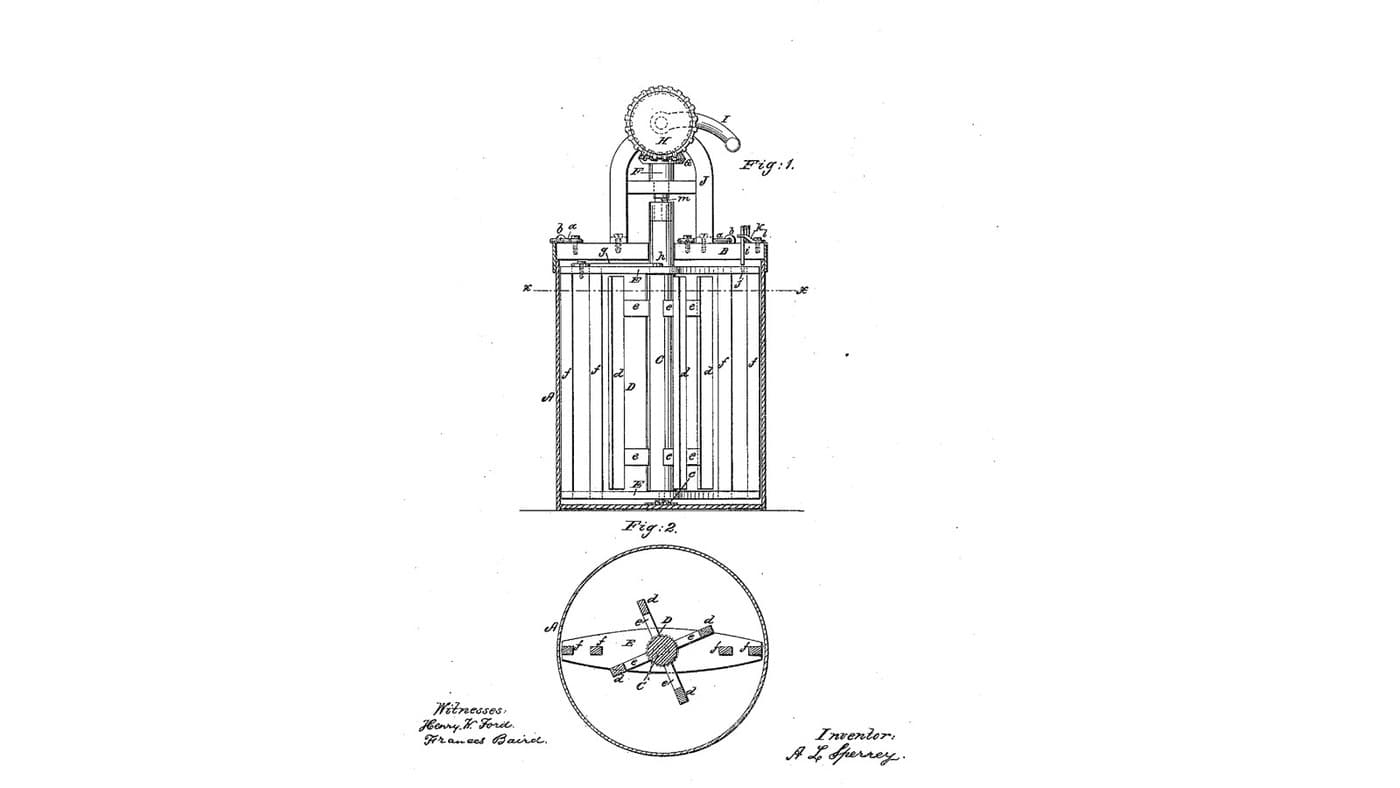
Hooked Breaker-Frame Churn: Breakers Held Still From the Lid, Then Hooked to the Dasher to Gather
autor: Buttercup
JEDZENIE I NAPOJE
4
0
0
0
0
0
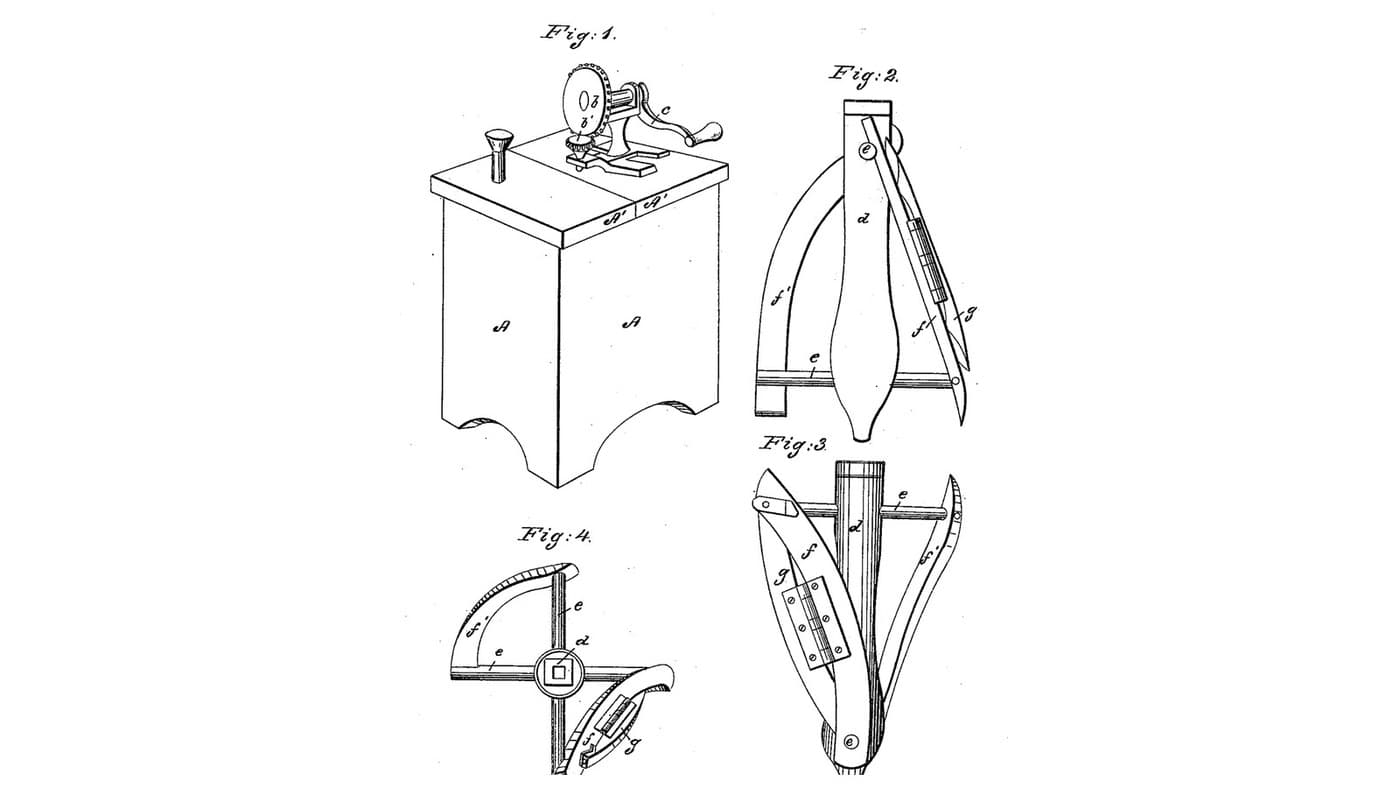
Hinged-Leaf Wing Dasher Churn: Turn One Way to Churn, Reverse and a Leaf Opens to Gather the Butter
autor: Buttercup
Obróbka drewna
6
0
0
0
0
0

Churning Butter from Cream — The 5,000-Year-Old Fat Separation
autor: TheChef
RZEMIOSŁO
63
0
0
0
0
0
CC0 Domena publiczna
Ten plan jest udostępniany na licencji CC0. Możesz go swobodnie kopiować, modyfikować, rozpowszechniać i wykorzystywać do dowolnych celów, bez konieczności uzyskiwania zgody.
Wesprzyj Makera kupując produkty przez jego plan, za co zarabia Prowizja Makera ustalony przez sprzedawców, lub stwórz nową iterację tego planu i dołącz go jako połączenie w swoim własnym planie, aby dzielić się przychodami.