Ubufatanye
UBUHANZI
UBWIZA N'UBUZIMA
UBUKORIKORI
UMUCO N'AMATEKA
IMYIDAGADURO
IBIDUKIKIJE
IBIRIBWA N'IBINYOBWA
UBWUBATSI BUSUBIRA INYUMA
UBUMENYI
SIPORO
IKORANABUHANGA
IBYAMBARWA
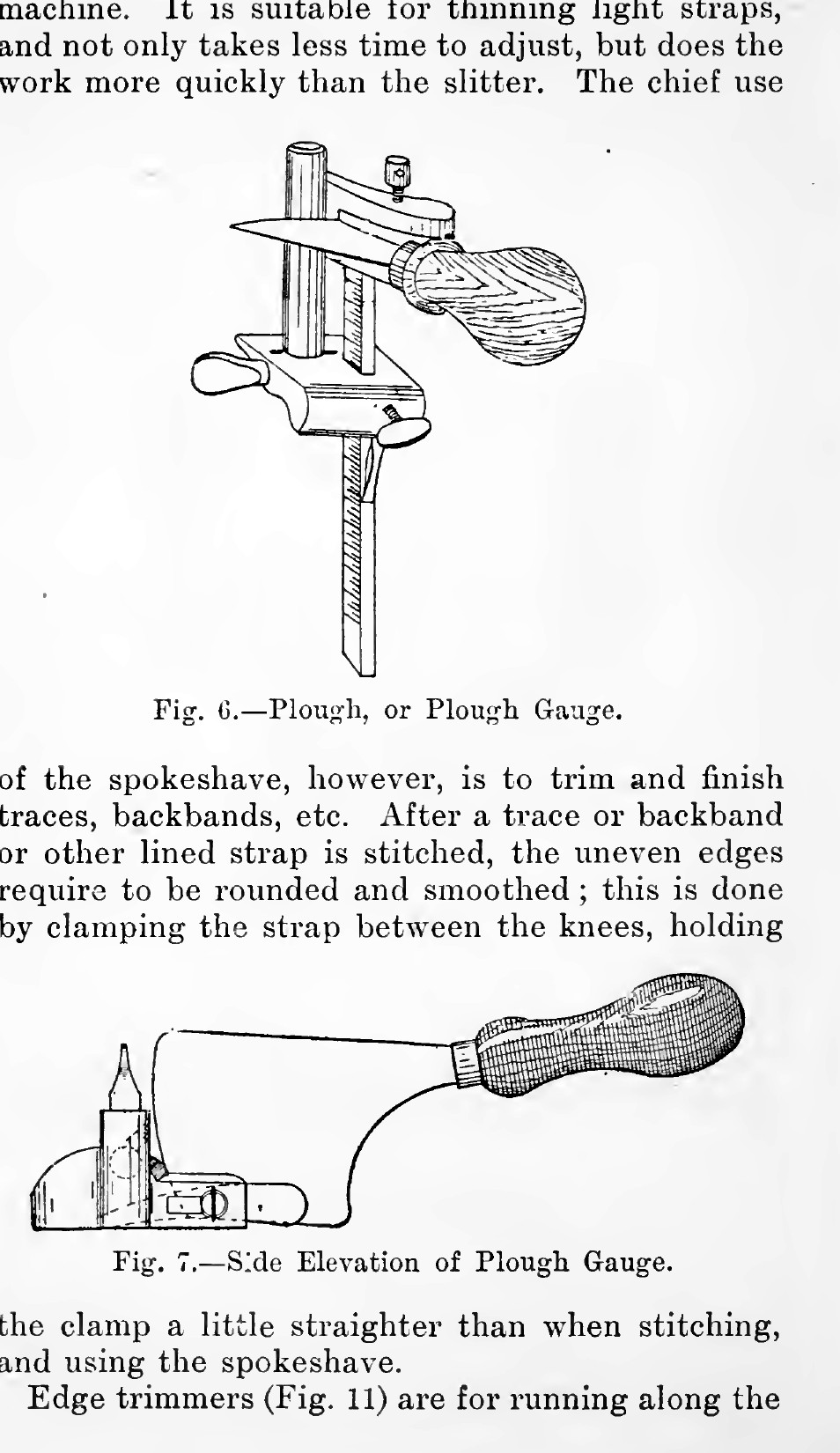


Harness Straps: Cut Along the Hide With Compass and Round Knife (or Plough), Edges Finished With Bone (Hasluck, 1904)
How a harness maker cuts and finishes straps, from P. N. Hasluck's Harness Making (1904): marked along the hide with an 8 ft straightedge or a compass, cut with the round knife on a cutting-board (or with a plough gauge, 1/2 to 5-1/2 in), always along the hide, then the edges knocked, trimmed with the spokeshave, scraped, sanded and polished with gum and a smooth bone.
Utangiye
About 1 hour
Amabwiriza
1
1
Widths
Widths
Gupakira ikaye ya Jupyter…
2
2
Read Harness Making
Read Harness Making
"Straps are always cut along the hide and not across it, the hide being much stronger lengthways."
3
3
Lay out
Lay out
Lay the side on the bench with the back toward you. Mark straight lines with a blunt-pointed awl or seat-awl against a straightedge at least 8 ft long, without cutting the grain. Do not cut lower into the hide than the strap's width; cut shaped pieces from patterns.
Ibikoresho by'iyi ntambwe:
 Uruhu rw'ibikoresho by'ifarashi1 igice
Ibikoresho bikenewe:
 Agapimo kagororotse
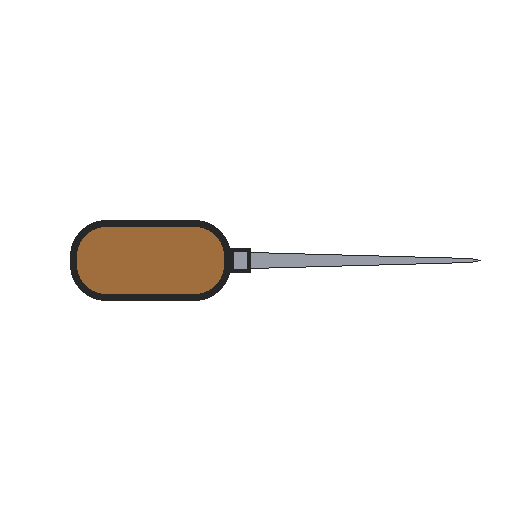 Seat Awl
4
4
Cut
Cut
With the round knife: set the compass to the width, run one point along the edge and draw it toward you to leave a line, then cut from the right-hand end on a cutting-board, holding the leather steady with the left hand. With the plough: set the knife on the gauge (1/2 to 5-1/2 in) with the thumb-screw, hold the leather flat and press it forward with the guard tight to the edge. Cut reins first, then traces, back-bands and the rest; linings from the belly.
Ibikoresho bikenewe:
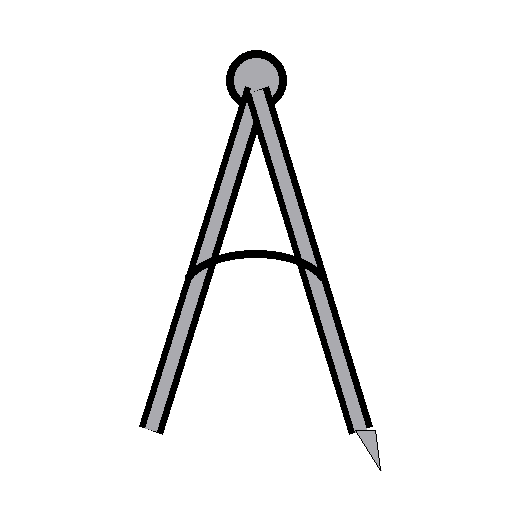 Kompasi y'umukozi w'intebe z'ifarashi
 Icyuma cyo gukata uruhu
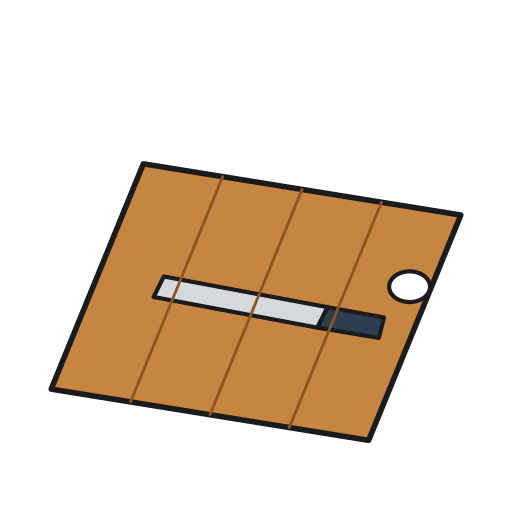 Ikibaho cyo Gukatiraho
5
5
Finish the edges
Finish the edges
Knock the edges along to consolidate them, trim them round and level with the spokeshave, run a glass scraper over them and sandpaper. For brown work, wipe with a thin solution of gum and water and rub with brown paper and a smooth bone to a polish. For black, dye, rub dry with a rag, and polish with brown paper and bone.
Ibikoresho by'iyi ntambwe:
 Ubunyu bw'igiti (gum arabic)1 igice
 Impapuro z'ikigina zo gupfunyika1 igice
 Urupapuro rwo Gusya1 igice
Ibikoresho bikenewe:
 Ikirwanya gifite imifatiro ibiri
 Ibirahuri byamenetse
 Igikoresho cy'igufa cyo guhina
 Inyundo
6
6
Troubleshooting
Troubleshooting
Strap troubleshooting.
Flow
Loading...
7
7
History and honest limits
History and honest limits
From Paul N. Hasluck, **Harness Making** (1904) (checked on the archive.org scan harnessmaking00hasl, pp. 12, 42-44). Using broken glass (cullet) as the glass scraper, the tools and the metric figures are ours.
Ibikoresho
4- Umwanya
- 1 igiceUmwanya
- Umwanya
- 1 igiceUmwanya
Ibikoresho bikenewe
9- Umwanya
- Umwanya
- Umwanya
- Umwanya
- Umwanya
- Umwanya
Iki gishushanyo gikora

Blueprint zijyanye
Izi blueprint zisangira ubumenyi — uburyo, ibikoresho cyangwa amahame
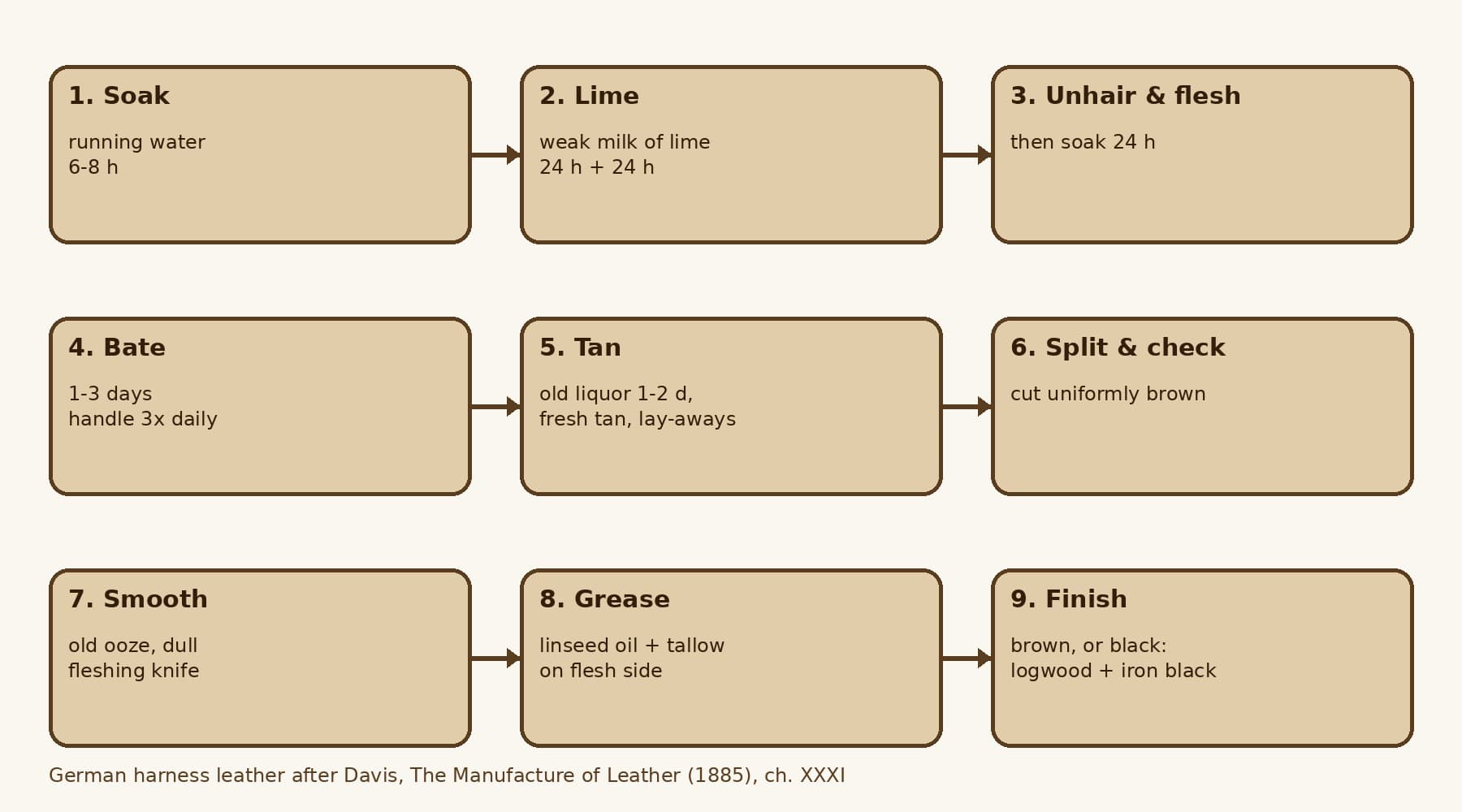
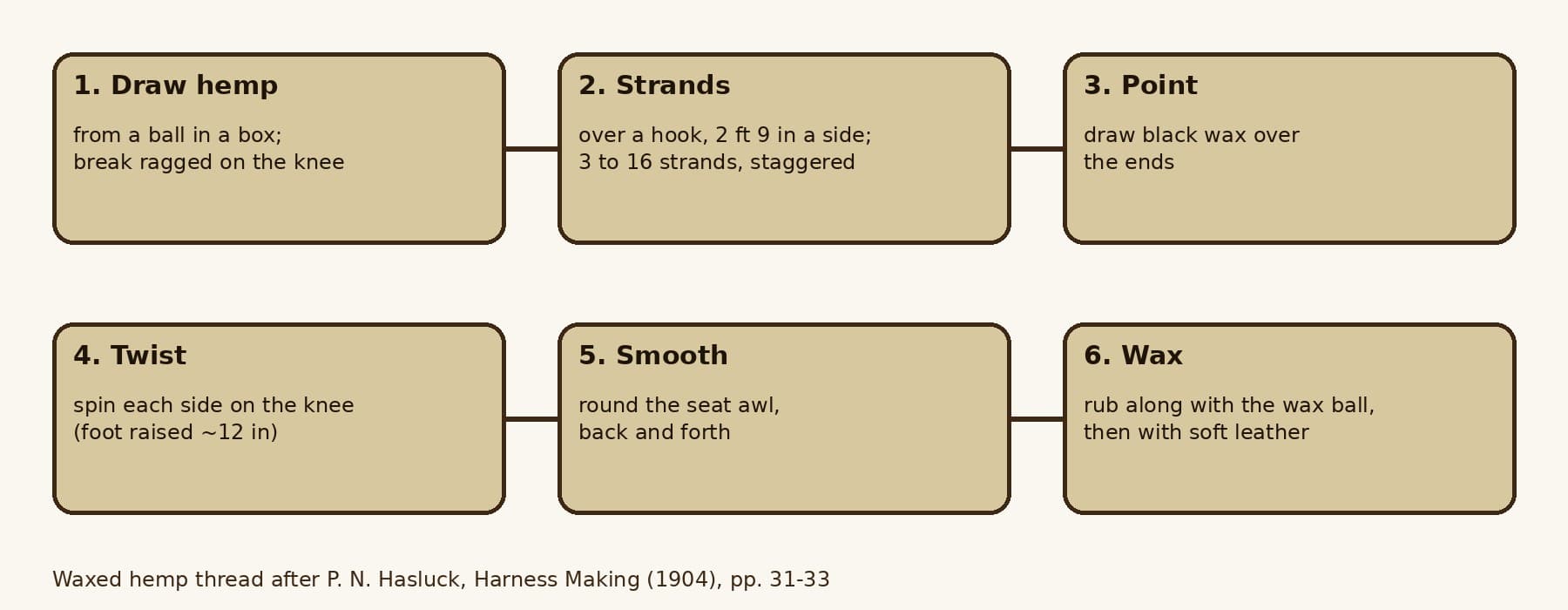
CC0 Umurenge rusange
Iyi blueprint yasohowe munsi ya CC0. Ushobora gukoporora, guhindura, gukwirakwiza no gukoresha nta kwemererwa.
Shyigikira Umuremyi ugura ibicuruzwa binyuze muri Blueprint ye Komisiyo y'Umuremyi byashyizweho n'Abacuruzi, cyangwa kora verisiyo nshya y'iyi Blueprint ukayinjiza nk'isano muri Blueprint yawe kugira ngo musangire inyungu.