Ubufatanye
UBUHANZI
UBWIZA N'UBUZIMA
UBUKORIKORI
UMUCO N'AMATEKA
IMYIDAGADURO
IBIDUKIKIJE
IBIRIBWA N'IBINYOBWA
UBWUBATSI BUSUBIRA INYUMA
UBUMENYI
SIPORO
IKORANABUHANGA
IBYAMBARWA
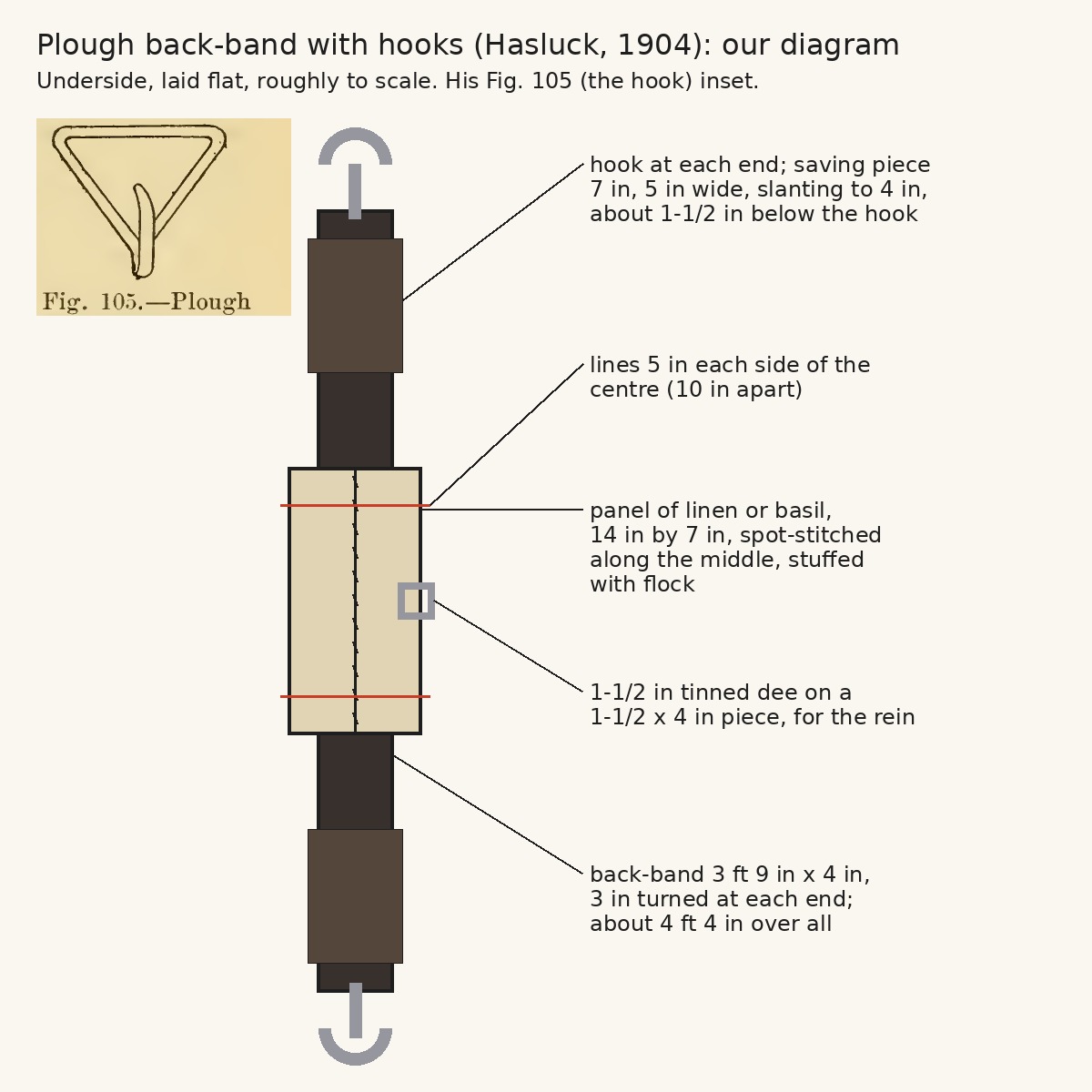


Plough Back-Band With Hooks: Faced, Flock-Padded Back-Band With a Rein Dee (Hasluck, Harness Making, 1904)
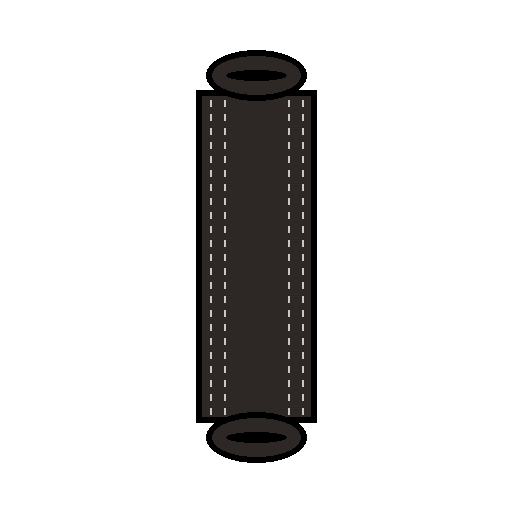
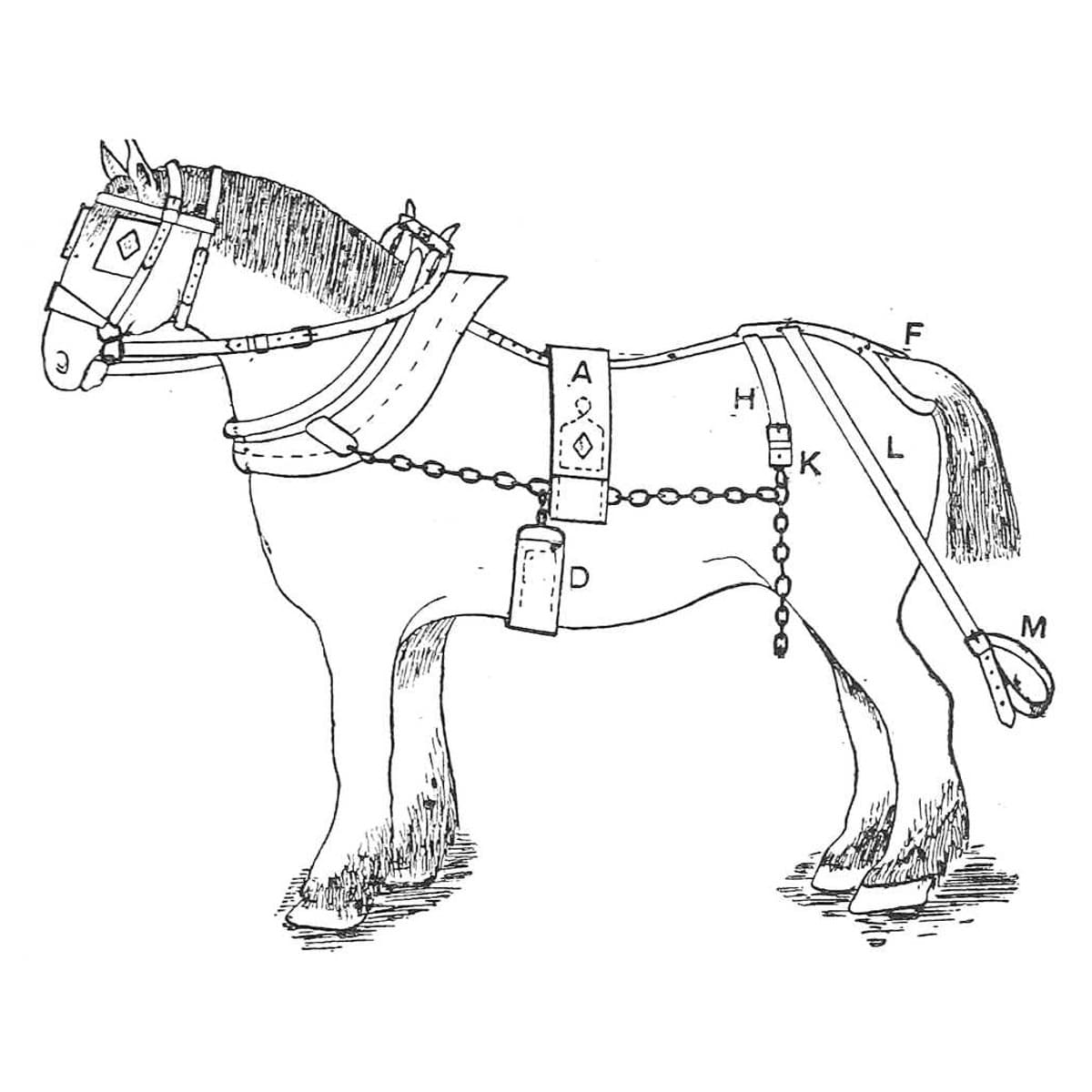
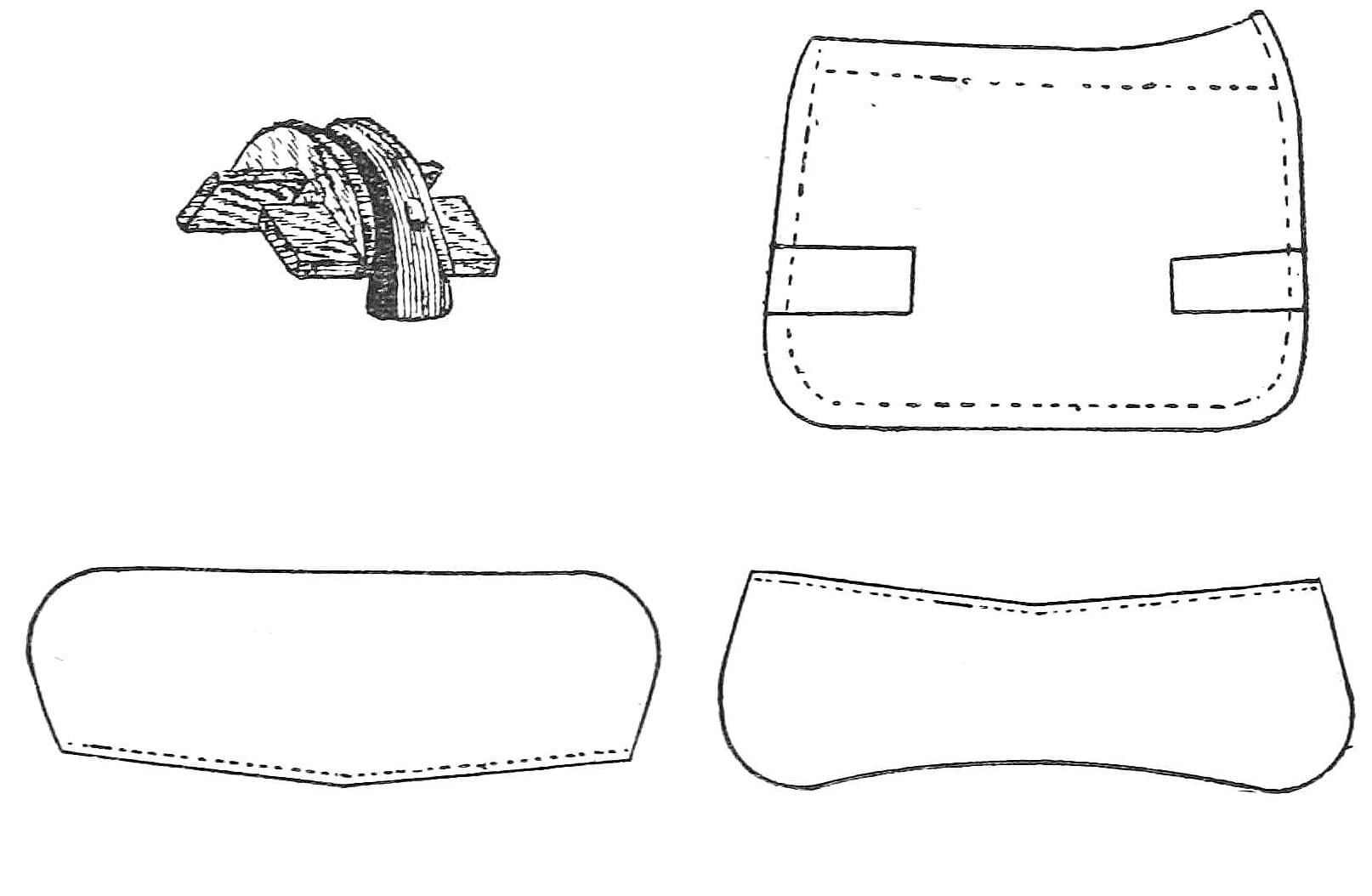
In plough harness the back-band carries the traces over the horse's back. This is the plough back-band with hooks from Paul N. Hasluck's Harness Making (1904): a 4 in band about 4 ft 4 in over all, with leather facings, a flock-stuffed panel to stop the back getting sore, a dee for the plough rein, and a hook sewn into each end. Every size is his; the picture is our diagram with his Fig. 105 inset.
Hagati
About 1 day
Amabwiriza
1
1
His sizes in centimetres
His sizes in centimetres
Gupakira ikaye ya Jupyter…
2
2
Read Harness Making, ch. IX
Read Harness Making, ch. IX
"In plough gears the ordinary bridle and collar are employed. The back-band is made in various ways. The method with hooks is taken first. The eye of the hook (Fig. 105) is 4 in. wide."
3
3
Cut and mark the back-band
Cut and mark the back-band
Cut the leather 3 ft 9 in long and 4 in wide. Turn down 3 in at each end, beat the bend slightly with the hammer to keep it down, and crease it with the screw race, two rows on each side. Mark the centre from each end and draw a line straight across there, then two lines 5 in each side of the centre, 10 in apart.
Ibikoresho by'iyi ntambwe:
 Uruhu rw'ibikoresho by'ifarashi1 igice
Ibikoresho bikenewe:
 Icyuma cyo gukata uruhu
 Inyundo
 Igikoresho cyo gukunja
 Itara rya Propane
 Ikaramu ya penisile
 Umugozi wo Gupima
4
4
Stitch on the facings
Stitch on the facings
Cut two pieces 10-1/2 in long and 3/4 in wide; cut a small piece out of each corner of the working side, then dye and crease that side. Draw a line along the centre of each with the compasses and mark across the centre. Prick out where they go on the back-band, then place one underneath the back-band, centre to centre, as far as the drawn line, and tack it down; place the other the same way on the other side, so the pieces run a little over both lower lines at each end. Stitch, keeping the line close to the edge of the back-band, with thread of three or four cords of coarse hemp.
Ibikoresho by'iyi ntambwe:
Uruhu rw'ibikoresho by'ifarashi1 igice Irangi ry'uruhu1 igice
 Udusumari two gukurura ku ishusho1 igice
 Umugozi wa Kanepa1 igice
 Igishashara1 igice
Ibikoresho bikenewe:
Icyuma cyo gukata uruhuIgikoresho cyo gukunja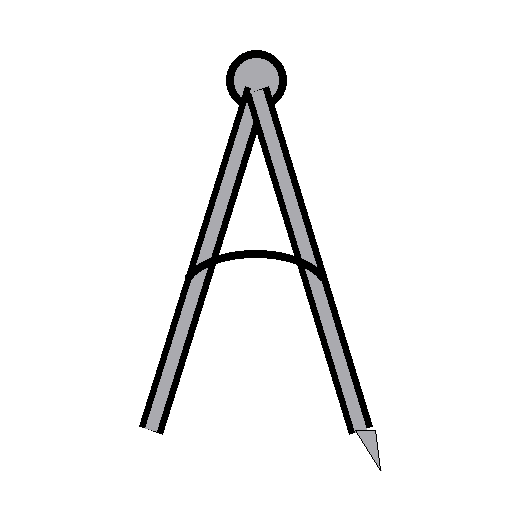 Kompasi y'umukozi w'intebe z'ifarashi
 Indobo yo gutobora uruhuInyundo
 Urushinge Rutobora
 Inshinge ebyiri zo kudoda uruhu
 Igifashi cy'igiti cyo kudoda uruhu
5
5
Fit the rein dee
Fit the rein dee
Cut a piece of leather 1-1/2 in by 4 in, shave and point both ends, and crease, black and prick it like the side, eight or ten marks per inch. Put a 1-1/2 in tinned dee in the centre of it, lay it flat on the back-band in the centre (measured from both sides, or from the top line to either line below), tack it and stitch. The plough rein runs through this dee; for a pair of horses put the dee on the opposite side of each back-band, for a single horse one on each side of the same back-band.
Ibikoresho by'iyi ntambwe:
 Impeta ya D y'ibikoresho by'ifarashi1 igiceUruhu rw'ibikoresho by'ifarashi1 igiceIrangi ry'uruhu1 igiceUmugozi wa Kanepa1 igiceIgishashara1 igice
Ibikoresho bikenewe:
Icyuma cyo gukata uruhuIndobo yo gutobora uruhuUrushinge RutoboraInshinge ebyiri zo kudoda uruhuIgifashi cy'igiti cyo kudoda uruhu6
6
Make the panel
Make the panel
Take linen (or basil) 14 in by 7 in and lay the back-band on it centre to centre, even on both sides. Spot-stitch across the back-band and through the linen along the middle line, like this: // // //. Turn in the linen all round about 1/2 in (basil needs no turning). Make a pleat at each corner at the end of the facing, both exactly the same length, and another opposite each, so the width equals the back-band and facing together (for basil, cut the corner off and stitch the cut instead). Stitch all round, starting about 1-1/2 in from the centre on one side to leave an opening for stuffing, along the cross lines at the bottom, to within 1-1/2 in of the centre on the other side.
Ibikoresho by'iyi ntambwe:
 Umwenda wa lino1 igiceUmugozi wa Kanepa1 igiceIgishashara1 igice
Ibikoresho bikenewe:
 UmukasiUrushinge RutoboraInshinge ebyiri zo kudoda uruhu
7
7
Stuff the panel
Stuff the panel
Lay the back-band flat on the bench, leather side underneath, openings near the bench edge. Stuff each side rather tightly with flock through the openings, using the stuffing stick; smooth it well towards the sides, flatten with a mallet, and stitch along the openings to the starting point.
Ibikoresho by'iyi ntambwe:
 Ubwoya bwo kuzuza1 igiceUmugozi wa Kanepa1 igiceIgishashara1 igice
Ibikoresho bikenewe:
 Inkoni yo kuzuza
 Inyundo y'IgitiUrushinge RutoboraInshinge ebyiri zo kudoda uruhu
8
8
Sew in the hooks
Sew in the hooks
Cut two saving pieces from a thick, firm face of hide (the face of a gear hide is best), 7 in long and, for a 4 in back-band, 5 in wide. Cut one end slanting to 4 in, the back-band's width, and shave it; round the corners of the other end, leaving it full width; black and crease the edges. Put the hooks in place with the saving pieces under them about 1-1/2 in lower than the end of the hook, and tack them down exactly in the centre. Mark and prick four rows from the hook up to the end of the saving pieces, stitch with four-cord thread, nine or ten stitches per inch, and stitch a line across close to the hook to bind it all together.
Ibikoresho by'iyi ntambwe:
 Ikirobo cy'umukandara w'umugongo2 ibiceUruhu rw'ibikoresho by'ifarashi1 igiceIrangi ry'uruhu1 igiceUdusumari two gukurura ku ishusho1 igiceUmugozi wa Kanepa1 igiceIgishashara1 igice
Ibikoresho bikenewe:
Icyuma cyo gukata uruhuIgikoresho cyo gukunjaItara rya PropaneIndobo yo gutobora uruhuInyundoUrushinge RutoboraInshinge ebyiri zo kudoda uruhuIgifashi cy'igiti cyo kudoda uruhu9
9
Troubleshooting
Troubleshooting
Plough back-band troubleshooting.
Flow
Loading...
10
10
History and honest limits
History and honest limits
From **Harness Making**, edited by Paul N. Hasluck, Cassell, 1904 (Project Gutenberg 70169), chapter IX, "Plough Harness", pp. 107-110, Fig. 105; every fraction was checked on the archive.org scan (harnessmaking00hasl). The back-band with chains instead of hooks and the coupling straps are not made here. Linen for the panel (he allows basil), the tools and metric figures are ours; the picture is our diagram with his Fig. 105 inset.
Ibikoresho
9- Umwanya
- 3 ibiceUmwanya
- Umwanya
- 5 ibiceUmwanya
- 5 ibiceUmwanya
- Umwanya
- 1 igiceUmwanya
- 1 igiceUmwanya
- Umwanya
Ibikoresho bikenewe
14- Umwanya
- Umwanya
- Umwanya
- Umwanya
- 1 vendor sell this, none ship to you yetUmwanya
- 1 vendor sell this, none ship to you yetUmwanya
- Umwanya
- Umwanya
- Umwanya
- Umwanya
- Umwanya
Iki gishushanyo gikora
Blueprint zijyanye
Izi blueprint zisangira ubumenyi — uburyo, ibikoresho cyangwa amahame
CC0 Umurenge rusange
Iyi blueprint yasohowe munsi ya CC0. Ushobora gukoporora, guhindura, gukwirakwiza no gukoresha nta kwemererwa.
Shyigikira Umuremyi ugura ibicuruzwa binyuze muri Blueprint ye Komisiyo y'Umuremyi byashyizweho n'Abacuruzi, cyangwa kora verisiyo nshya y'iyi Blueprint ukayinjiza nk'isano muri Blueprint yawe kugira ngo musangire inyungu.