
Співпраця
МИСТЕЦТВО
КРАСА ТА ЗДОРОВ'Я
РЕМЕСЛО
КУЛЬТУРА ТА ІСТОРІЯ
РОЗВАГИ
СЕРЕДОВИЩЕ
ЇЖА ТА НАПІЇ
ЗБОРНА ІНЖЕНЕРІЯ
НАУК
СПОРТ
ТЕХНОЛОГІЯ
НОСИМО
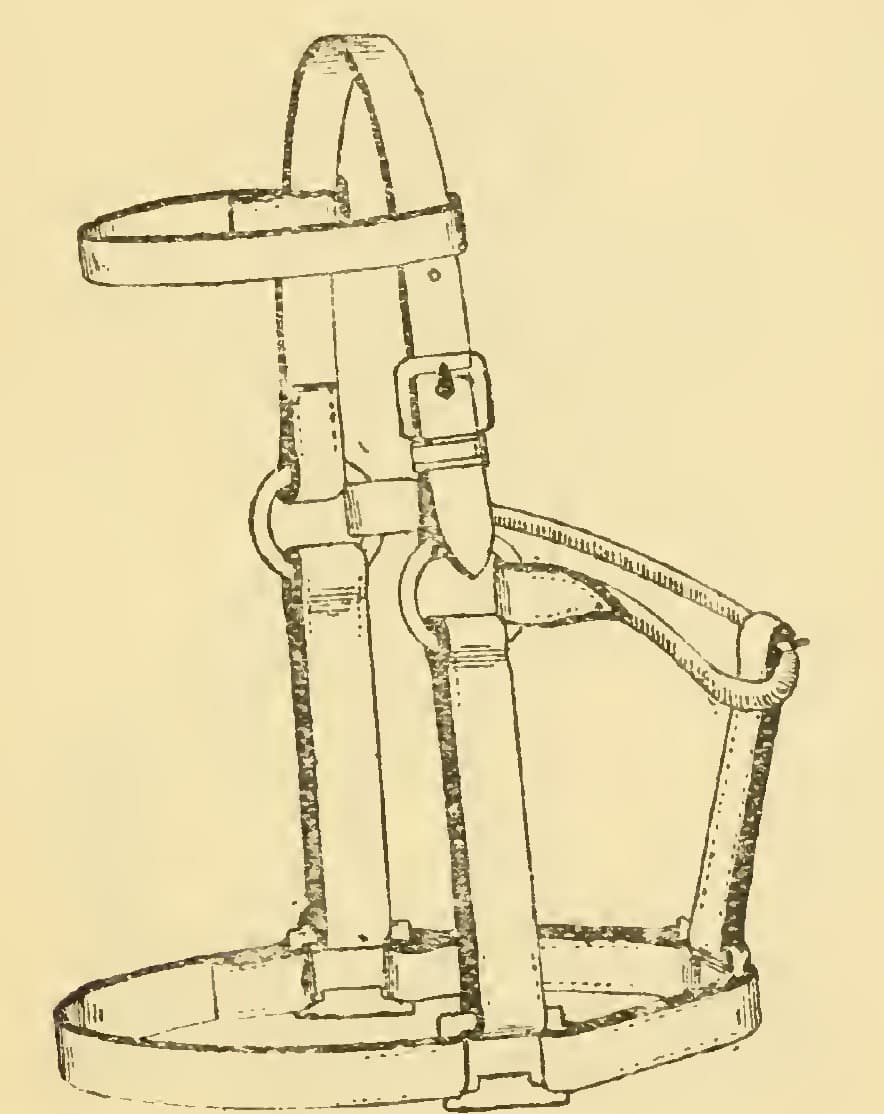
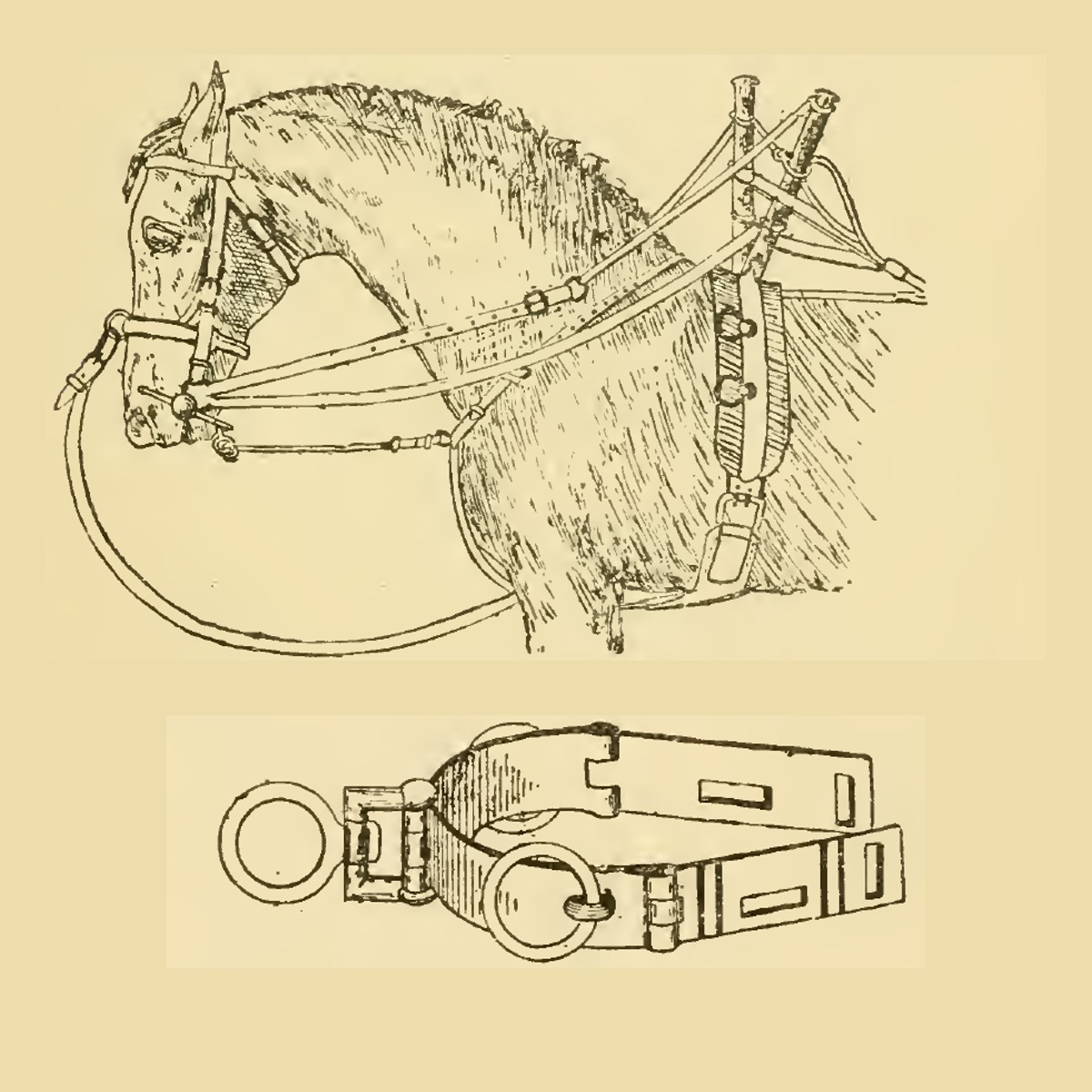
Breaking Cavesson: Leather-Covered Cavesson Iron With Padded Noseband and Double Throat Lash (Hasluck, Saddlery, 1904)
Tex

Створено

Tex

13. листопад 2026FO
5
0
0
0
0

Breaking Cavesson: Leather-Covered Cavesson Iron With Padded Noseband and Double Throat Lash (Hasluck, Saddlery, 1904)

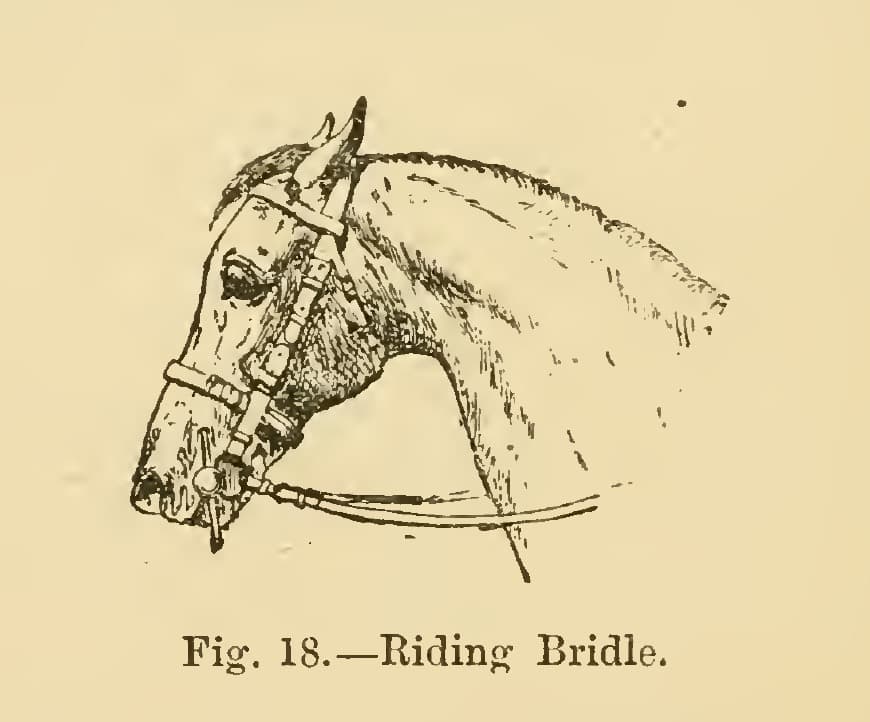
A cavesson holds a young horse's head steady while it is broken in; it is used without a bit, and the leading rein goes on its rings. This is the cavesson from the breaking-down tackle in Paul N. Hasluck's Saddlery (1904): a bought cavesson iron covered in leather and padded inside, a strap up the face, cheeks, jaw straps, a headpiece and one or two throat lashes. Every size is his.
Просунутий
About 1 day

Інструкції

1

His sizes in centimetres

Завантаження блокнота Jupyter…
2

Read Saddlery, ch. VII

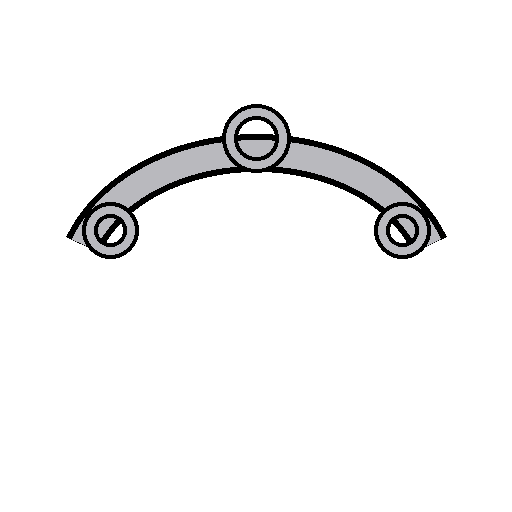
"The cavison iron (Fig. 22) can be purchased ready-made; it acts as a noseband, being strong to hold the horse's head steady. In the centre is a ring, which turns like a swivel, and another ring is placed on each side." It has openings at the sides for the cheeks and one at each end for the straps below the jaw.
3

Cover the iron

Cover the cavesson iron with thin brown leather and herringbone-stitch it underneath, out of sight. Make holes in the leather opposite the openings in the iron.

Матеріали для цього кроку:

Залізо капцунаЗалізо капцуна1 штука
Овеча шкіра (бейзил)Овеча шкіра (бейзил)1 штука
Лляна ниткаЛляна нитка1 штука
Бджолиний віскБджолиний віск1 штука

Необхідні інструменти ({count})
Ніж для шкіриНіж для шкіри
ШилоШило
Дві лимарські голкиДві лимарські голки
Лимарські лещатаЛимарські лещата
4

Fit the cheeks

Fit two cheeks 7 in by 1 in in the side openings, each with a runner and buckle and a loop at the top.

Матеріали для цього кроку:

Лимарна шкіраЛимарна шкіра1 штука
Залізна пряжка з язичкомЗалізна пряжка з язичком2 штук
Лляна ниткаЛляна нитка1 штука
Бджолиний віскБджолиний віск1 штука

Необхідні інструменти ({count})

Ніж для шкіриНіж для шкіри

КрайкорізКрайкоріз
Гладило для краю шкіриГладило для краю шкіри
БігувальникБігувальник
Пропановий пальникПропановий пальник
Оправка для шльовокОправка для шльовок
ШилоШило
Дві лимарські голкиДві лимарські голки
5

Fit the face strap

Cut a 1 in strap 20 in long to pass round the centre of the iron, go up the face and buckle in the centre of the headpiece. Turn one end in enough to go round the iron and leave enough to stitch it together on the upper side. Slit it in half far enough to go over the centre ring, put it round with half the slit on each side of the ring, and stitch it above the iron, with a hoop under the forehead (his word) for it to pass through.

Матеріали для цього кроку:

Лимарна шкіраЛимарна шкіра1 штука
Лляна ниткаЛляна нитка1 штука
Бджолиний віскБджолиний віск1 штука

Необхідні інструменти ({count})

Ніж для шкіриНіж для шкіри
Пробійник для шкіриПробійник для шкіри
ШилоШило
Дві лимарські голкиДві лимарські голки
Лимарські лещатаЛимарські лещата
6

Fit the jaw straps

Put a strap 9 in long in the off-side opening at the end of the iron, and another 5 in long, with a buckle, loop and runner, on the near side.

Матеріали для цього кроку:

Лимарна шкіраЛимарна шкіра1 штука
Залізна пряжка з язичкомЗалізна пряжка з язичком1 штука
Лляна ниткаЛляна нитка1 штука
Бджолиний віскБджолиний віск1 штука

Необхідні інструменти ({count})

Ніж для шкіриНіж для шкіри
Оправка для шльовокОправка для шльовок
Пробійник для шкіриПробійник для шкіри
ШилоШило
Дві лимарські голкиДві лимарські голки
7

Make and strap on the pad

Make a stuffed leather pad, as for a cart winker cheek but longer, to run all along the inside of the iron and reach about 1 in beyond it at each end; it is slightly wider when stuffed and flattened. Do not make it clumsy and thick with stuffing. Make four 1/2 in straps long enough to pass round the iron, with a few holes punched in them; stitch one across the pad at each end and one on each side of the central ring, to fasten the pad on.

Матеріали для цього кроку:

Лимарна шкіраЛимарна шкіра1 штука
Вовняна набивкаВовняна набивка1 штука
Лляна ниткаЛляна нитка1 штука
Бджолиний віскБджолиний віск1 штука

Необхідні інструменти ({count})

Ніж для шкіриНіж для шкіри
Пробійник для шкіриПробійник для шкіри
ШилоШило
Дві лимарські голкиДві лимарські голки
Лимарські лещатаЛимарські лещата
8

Make the headpiece and throat lash

Make the headpiece of good leather 2 ft 4 in long, so that it fits a horse of any size, and slit it 8 in or 9 in at each side so that, when cut, it is 1-3/4 in wide; it can be narrowed in the centre between the slits. Put a chape and buckle in the centre to take the face strap. Make the foreband as for a stallion bridle (the same length as an ordinary bridle front, or a little longer). Make the throat lash 1 ft 8 in long when turned in and 3/4 in wide, with a buckle, a loop and a runner at each end.

Матеріали для цього кроку:

Лимарна шкіраЛимарна шкіра1 штука
Залізна пряжка з язичкомЗалізна пряжка з язичком3 штук
Лляна ниткаЛляна нитка1 штука
Бджолиний віскБджолиний віск1 штука

Необхідні інструменти ({count})

Ніж для шкіриНіж для шкіри
КрайкорізКрайкоріз
Гладило для краю шкіриГладило для краю шкіри
БігувальникБігувальник
Пропановий пальникПропановий пальник
Оправка для шльовокОправка для шльовок
Пробійник для шкіриПробійник для шкіри
ШилоШило
Дві лимарські голкиДві лимарські голки
9

Add a second throat lash for safety

If you want extra safety, put a 5/8 in strap 6 in long on each side of the cheek, stitched in with the chape at the top and slanting slightly downwards, and make an extra throat lash 5/8 in by 1 ft 4 in to buckle to them. "With two throat lashes the bridle will be firm and safe on the horse's head."

Матеріали для цього кроку:

Лимарна шкіраЛимарна шкіра1 штука
Лляна ниткаЛляна нитка1 штука
Бджолиний віскБджолиний віск1 штука

Необхідні інструменти ({count})

Ніж для шкіриНіж для шкіри
Пробійник для шкіриПробійник для шкіри
ШилоШило
Дві лимарські голкиДві лимарські голки
10

Troubleshooting

Cavesson troubleshooting.

Flow

Loading...
11

History and honest limits

From **Saddlery**, edited by Paul N. Hasluck, David McKay, 1904 (archive.org saddlery00hasl), chapter VII, "Breaking-down Tackle", pp. 59-61, Figs. 21-22; every fraction was read on the scan. He sends the reader to the stallion bridle for the foreband and to a cart winker cheek for the pad, without sizes here. The leading rein (9 ft by 1-1/8 in), side reins, dumb jockey, Corbett martingale, crupper and girth of the full tackle are not made here. Basil for the "thin brown leather", the buckle count in the list, the thread, tools and metric figures are ours.

Матеріали

7

Необхідні інструменти

10

За цим кресленням виготовляють

CC0 Суспільне надбання

Це креслення випущено під ліцензією CC0. Ви можете вільно копіювати, змінювати, поширювати та використовувати цю роботу для будь-яких цілей без запиту дозволу.

Підтримайте мейкера, купуючи продукти через його креслення, де він отримує Комісію мейкера встановлену вендорами, або створіть нову ітерацію цього креслення та включіть його як зв'язок у власне креслення для розподілу доходу.

Обговорення

(0)

Увійти щоб приєднатися до обговорення

Завантаження коментарів...