NGHỆ THUẬT
LÀM ĐẸP VÀ SỨC KHỎE
THỦ CÔNG
VĂN HÓA VÀ LỊCH SỬ
GIẢI TRÍ
MÔI TRƯỜNG
THỰC PHẨM VÀ ĐỒ UỐNG
KỸ THUẬT NGƯỢC
KHOA HỌC
THỂ THAO
CÔNG NGHỆ
THIẾT BỊ ĐEO
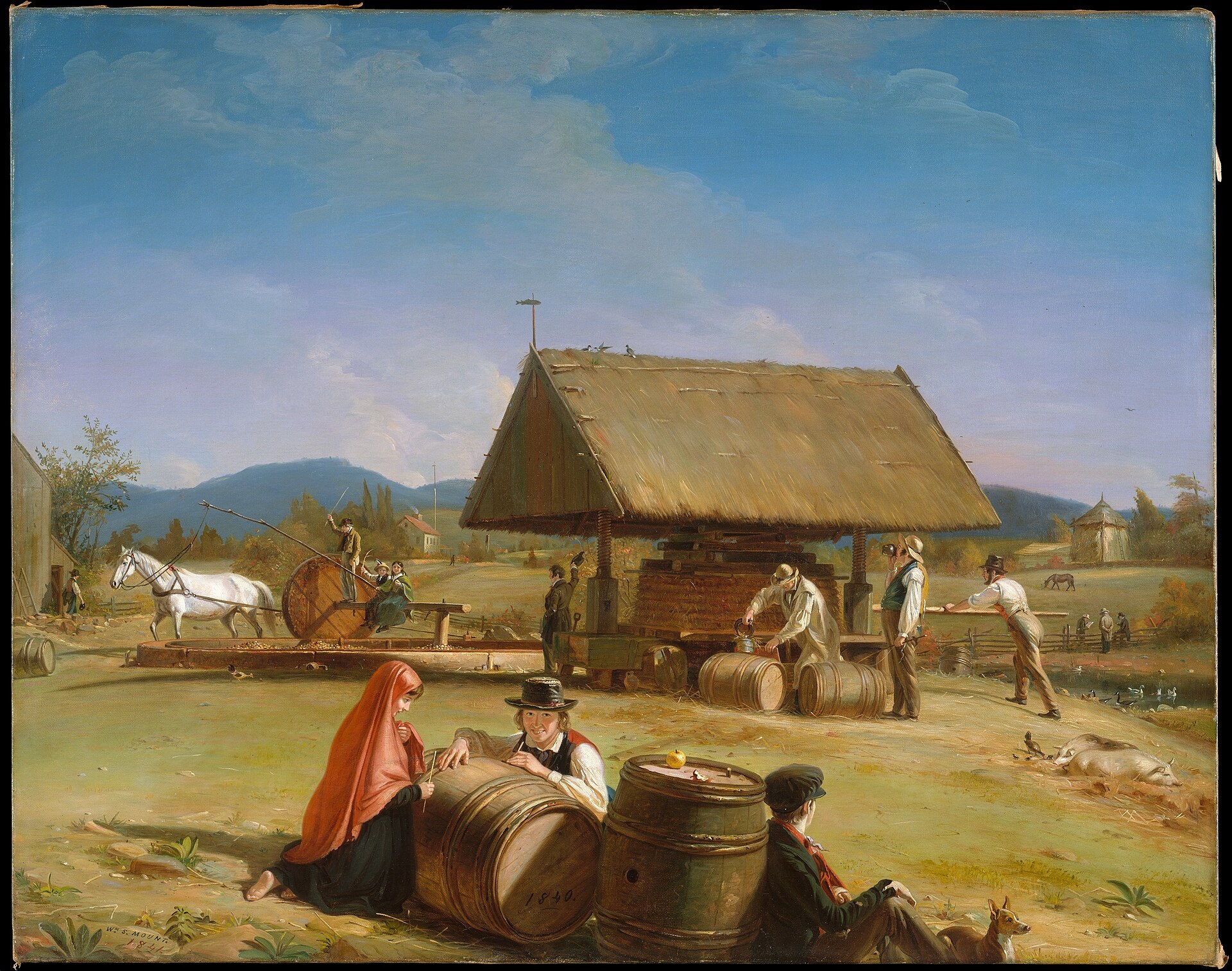

Hard Cider: Fresh Juice, a Pure Yeast Starter and a Cool Cellar (Alwood, USDA 1909)
William B. Alwood's cider for farm use, from the U.S. Department of Agriculture's Bulletin 129 (1909): juice straight from the press into clean casks, a pure yeast culture started three days before, a vent on the bung instead of a cotton plug, a cool cellar, one racking once the cider is bright, and bottling in June. He wrote that the results "establish clearly a method which any person of ordinary means can use".
Trung cấp
About 8 months
Hướng dẫn
1
1
His measures and gravities
His measures and gravities
Đang tải sổ tay Jupyter…
2
2
Read Alwood
Read Alwood
"The following notes give in detail the operation of making cider in the simplest possible manner after cold weather begins ... The work was intended to approximate as closely as possible the conditions under which a farmer might ferment his cider for family use." (Bulletin 129, p. 10.)
3
3
Press the juice
Press the juice
Alwood crushed and pressed 60 bushels of Winesap apples, "of a grade called unmerchantable, but ... not rotten nor soiled". His juice read 1.055 (13.6 Brix).
4
4
Prepare the casks
Prepare the casks
Steam each cask for twenty minutes, rinse with clean water and drain. Pour in one-half pint of 90 per cent alcohol, bung it tight, and leave it two weeks before use.
Công cụ cần thiết:
 Thùng gỗ
 Nồi hơi
 Nước
 Etanol phẩm cấp thí nghiệm, 95 %
 Nút thùng bằng gỗ
5
5
Start the yeast
Start the yeast
Three days before pressing, boil 400 ml of apple juice in a flask in a water bath for fifteen minutes. Cool it and sow it with a pure wine yeast. It should be in full fermentation when used.
Vật liệu cho bước này:
 Nước táo ép tươi0.4 lít
 Men rượu vang1 cái
Công cụ cần thiết:
 Bình tam giác Erlenmeyer
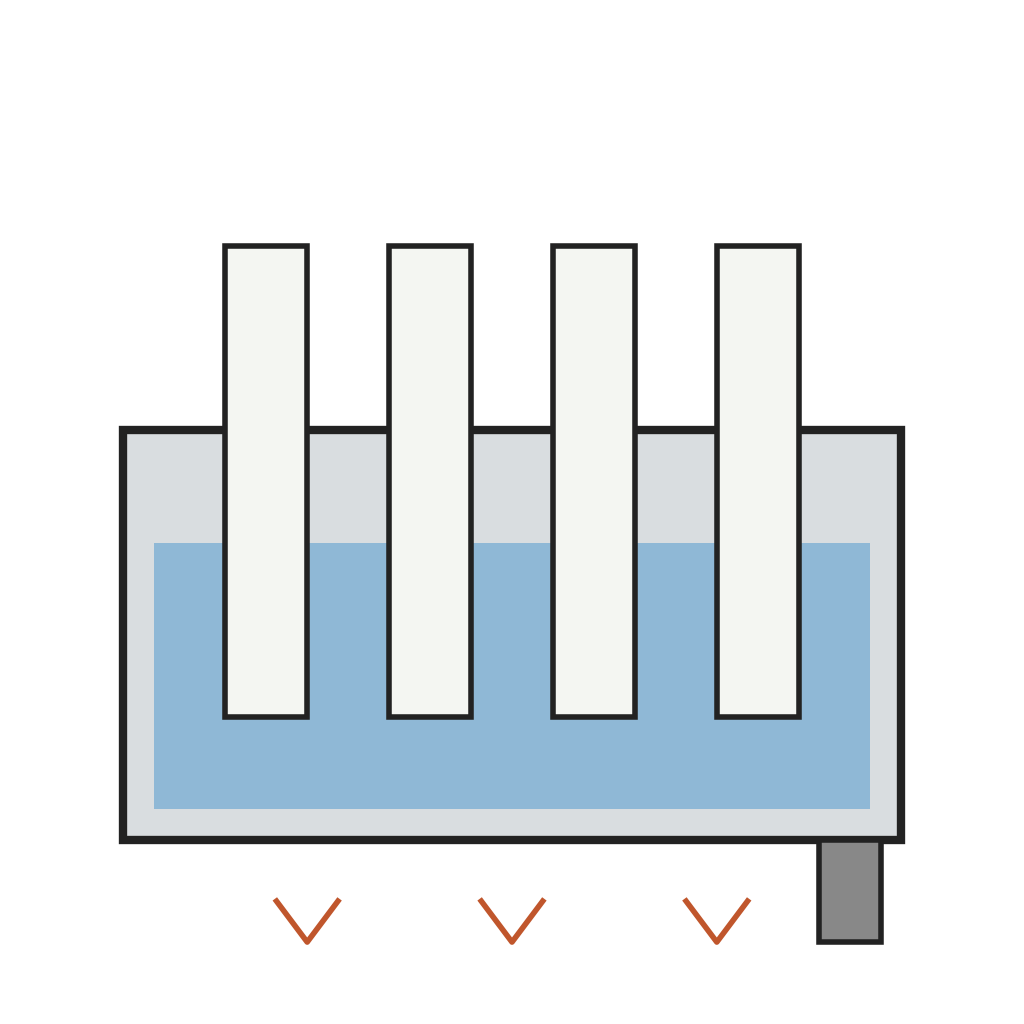 Bể ổn nhiệt
6
6
Fill and pitch
Fill and pitch
Fill the casks straight from the press; do not sulphur them. Add the yeast culture at once. Read the gravity: his was 1.055.
Vật liệu cho bước này:
Nước táo ép tươi189 lítCông cụ cần thiết:
Thùng gỗ Tỷ trọng kế
7
7
Fit the vent
Fit the vent
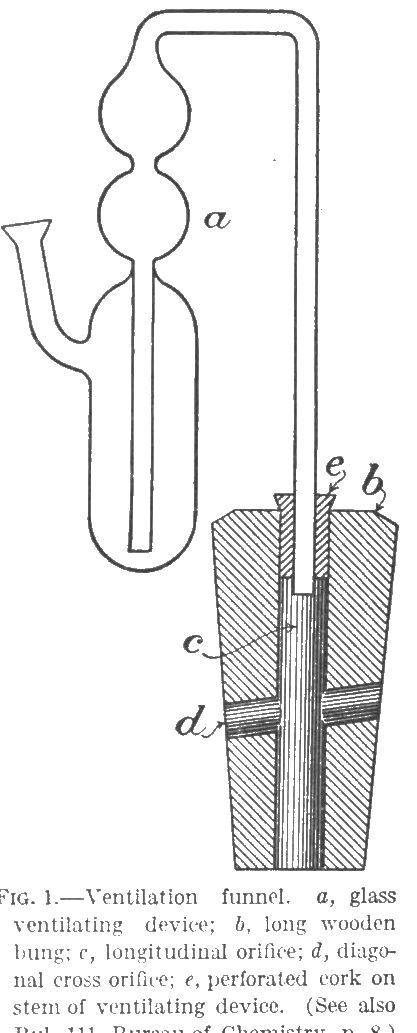
Do not plug with cotton: "if the cotton becomes the least bit damp, malferments readily find entrance". Put a vent funnel on a perforated cork in a long wooden bung, as his Fig. 1.
Công cụ cần thiết:
 Van sủi lên menNút thùng bằng gỗ
 Nút bần
8
8
Keep it cool
Keep it cool
His cold storeroom stopped the fermentation; he moved the casks to a cellar at 13 to 14 °C. Through the winter he held the cellar at 11 to 14 °C. Check it with a thermometer.
Công cụ cần thiết:
 Nhiệt kế
9
9
Follow the gravity
Follow the gravity
Read the gravity every few weeks. His cask No. 3 went from 1.055 in October to 1.018 by 10 January.
Công cụ cần thiết:
Tỷ trọng kếNhiệt kế10
10
Rack when bright
Rack when bright
Wait until the cider is "practically bright and free from sediment" (his: 13 January, at 10 °C). Wash fresh casks with warm water and burn one-third of a sulphur match in each; pour the cider in on the fumes.
Công cụ cần thiết:
Thùng gỗNước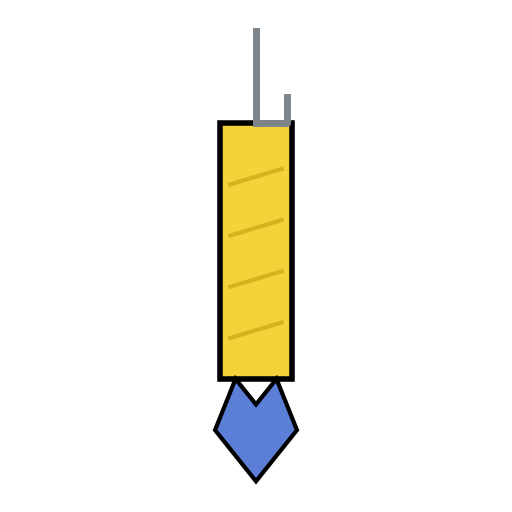 Bấc lưu huỳnh
11
11
Draw off the dregs
Draw off the dregs
Draw the cider down to within 1 inch (2.5 cm) of the bottom, through a funnel covered with a thin woven towel. Ours: with a siphon. About 2 quarts (1.9 litres) of dregs stayed in his cask.
Công cụ cần thiết:
 Ống xi phông
 Phễu nhà bếp
 Khăn mặt bông
12
12
Keep the casks full
Keep the casks full
Top each cask up with cider of the same pressing. With the cask entirely full, a long bung bored crosswise under the vent funnel lets the gas out.
Công cụ cần thiết:
Nút thùng bằng gỗVan sủi lên men13
13
Bottle in June
Bottle in June
His final bottling was 25 June, at 1.006. Draw it into pint champagne bottles, cork them and tie the corks down. Use champagne bottles only: his unfiltered bottles opened "with high pressure".
Vật liệu cho bước này:
 Chai sâm panh1 cáiNút bần1 cái
Công cụ cần thiết:
Ống xi phông Dây bông
14
14
Troubleshooting
Troubleshooting
What went wrong in Alwood's casks, and the fix.
Flow
Loading...
15
15
History and honest limits
History and honest limits
**William B. Alwood**, *Enological Studies. I. Experiments in Cider Making Applicable to Farm Conditions*, USDA Bureau of Chemistry Bulletin No. 129 (1909), under H. W. Wiley. He filled three 50-gallon whisky barrels on 23 October 1907: No. 1 left to natural fermentation, No. 2 with yeast No. 73 (Sauternes), No. 3 with yeast No. 161 (Ahrweiler). He called No. 3 the "Finest cider ever handled here", and found the total acid "about right for a sprightly cider—namely, approximately 0.40 per cent". A 10-gallon keg left with a cotton plug turned to vinegar. His yeast cultures came from his own laboratory and are not sold today; a pure wine yeast takes their place. He does not say how he drew the cider off; ours is a siphon. The alcohol estimate in the notebook is ours.
Vật liệu
4- 189 lítTạm thời
- 1 cáiTạm thời
- 1 cáiTạm thời
- 1 cáiTạm thời
Công cụ yêu cầu
16- Tạm thời
- Tạm thời
- Tạm thời
- Tạm thời
- Tạm thời
- Tạm thời
- Tạm thời
- Tạm thời
- Tạm thời
- Tạm thời
- Tạm thời
- Tạm thời
- Tạm thời
- Tạm thời
- Tạm thời
- Tạm thời
Vật liệu bản thiết kế liên kết
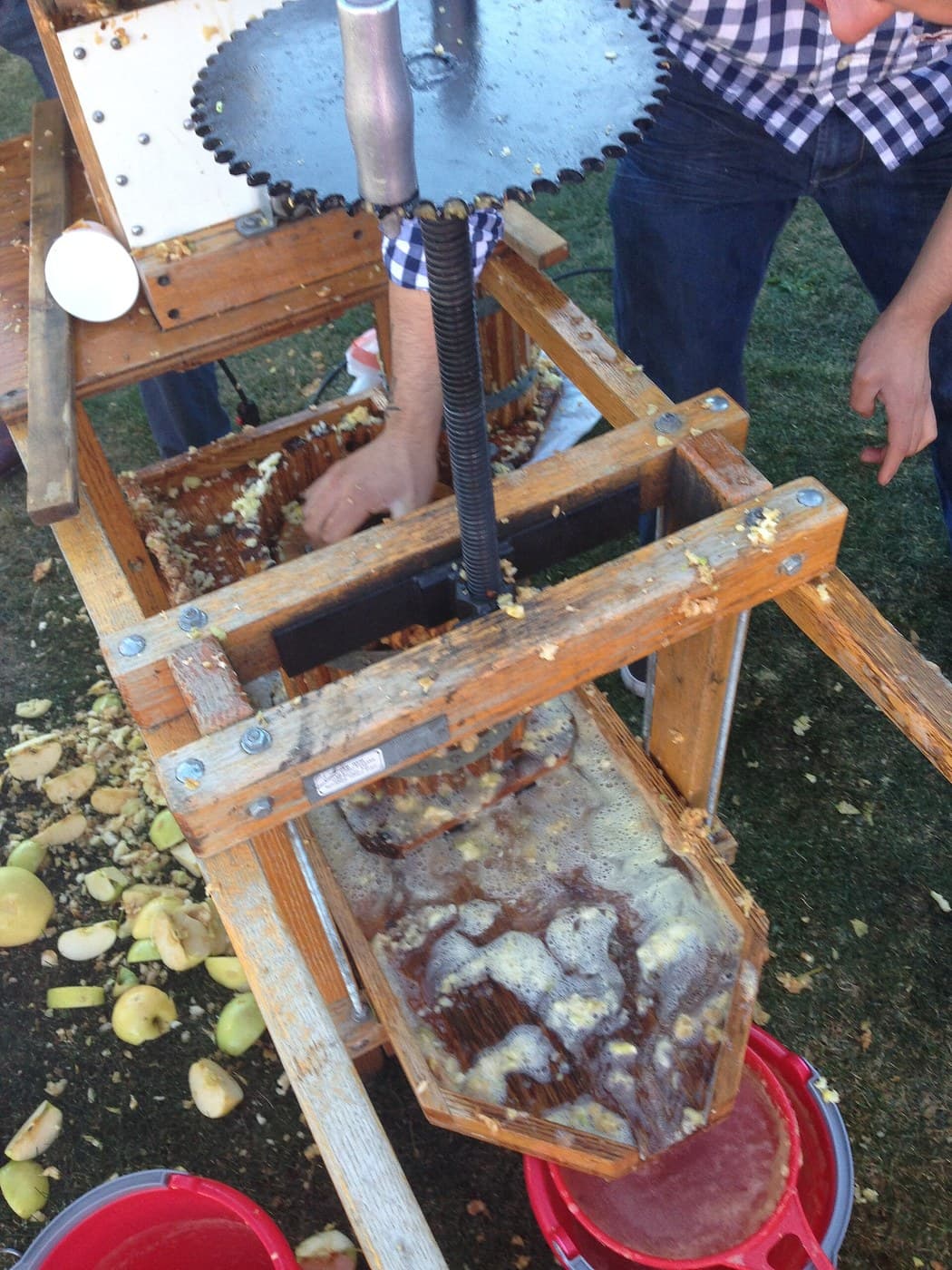
Bản thiết kế này làm ra

Blueprint liên quan
Các blueprint này chia sẻ kiến thức — kỹ thuật, vật liệu hoặc nguyên tắc
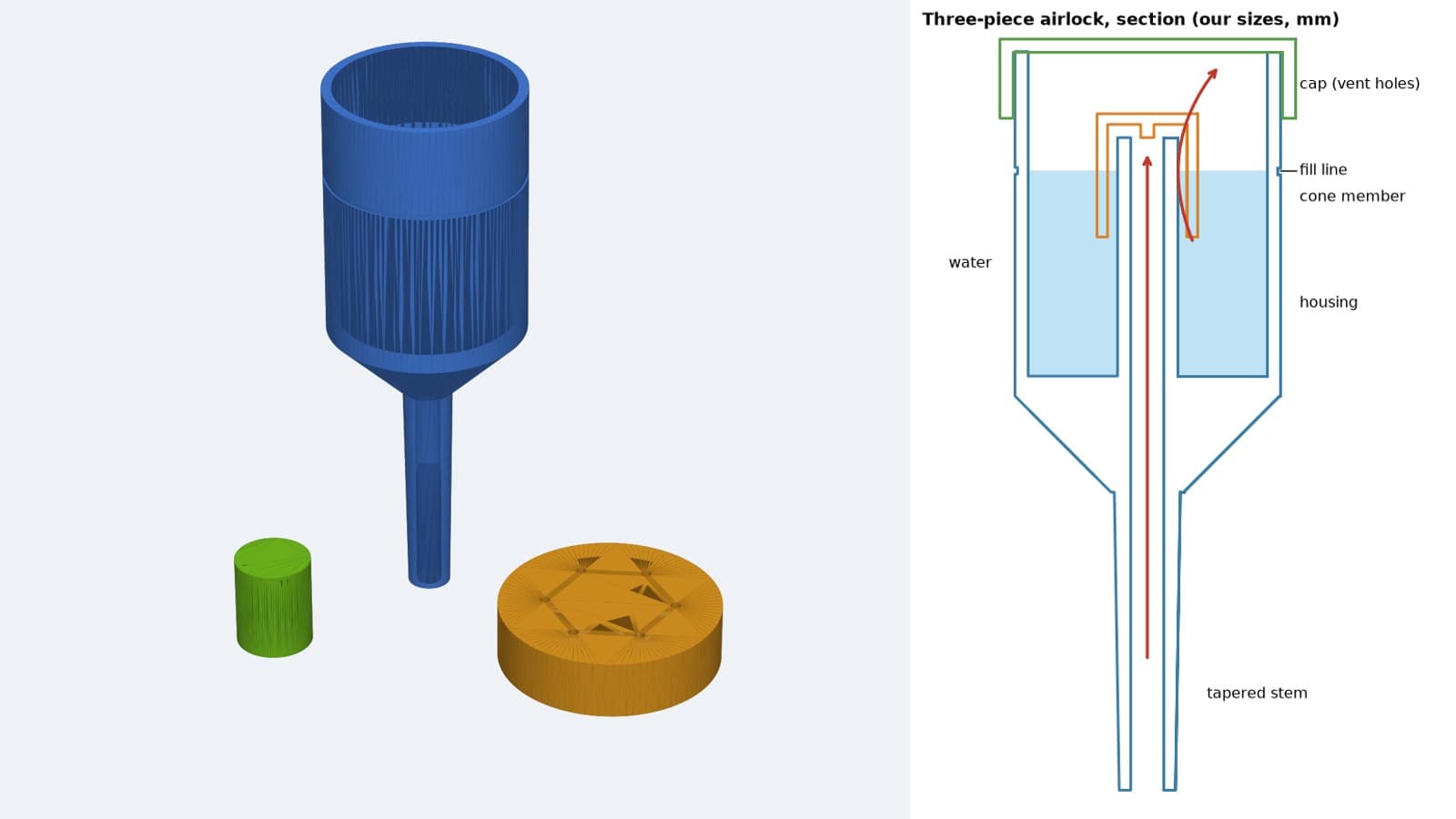
Three-Piece Airlock, 3D Printed in PETG
bởi 3DBonanza
Bia
10
0
0
0
1
0
Sanitation Is Not Sterilisation: You Are Choosing Which Microbes Win
bởi Alchometer
Pha chế
41
0
0
0
0
0
Oxygen: Wanted for an Hour, Ruinous for Ever After
bởi Alchometer
Pha chế
39
0
0
0
0
0
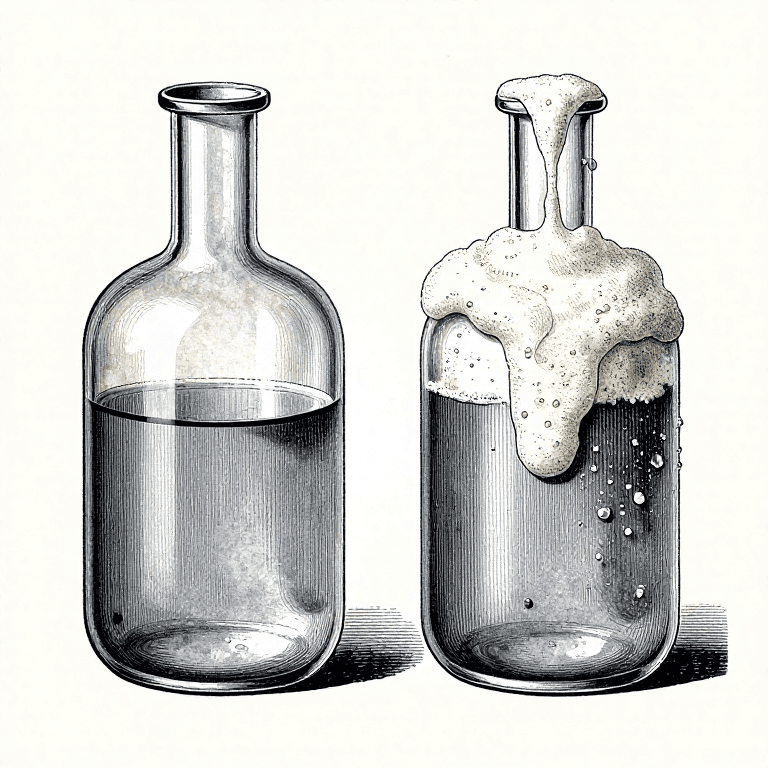
Pitching Rate and Lag Phase: The First Day Decides the Flavour
bởi Alchometer
Pha chế
38
0
0
0
0
0
CC0 Phạm vi công cộng
Bản thiết kế này được phát hành theo CC0. Bạn tự do sao chép, sửa đổi, phân phối và sử dụng cho bất kỳ mục đích nào mà không cần xin phép.
Hỗ trợ nhà sáng tạo bằng cách mua sản phẩm qua bản thiết kế, nơi họ nhận Hoa hồng nhà sáng tạo do nhà bán hàng đặt, hoặc tạo phiên bản mới và kết nối trong bản thiết kế riêng để chia sẻ doanh thu.