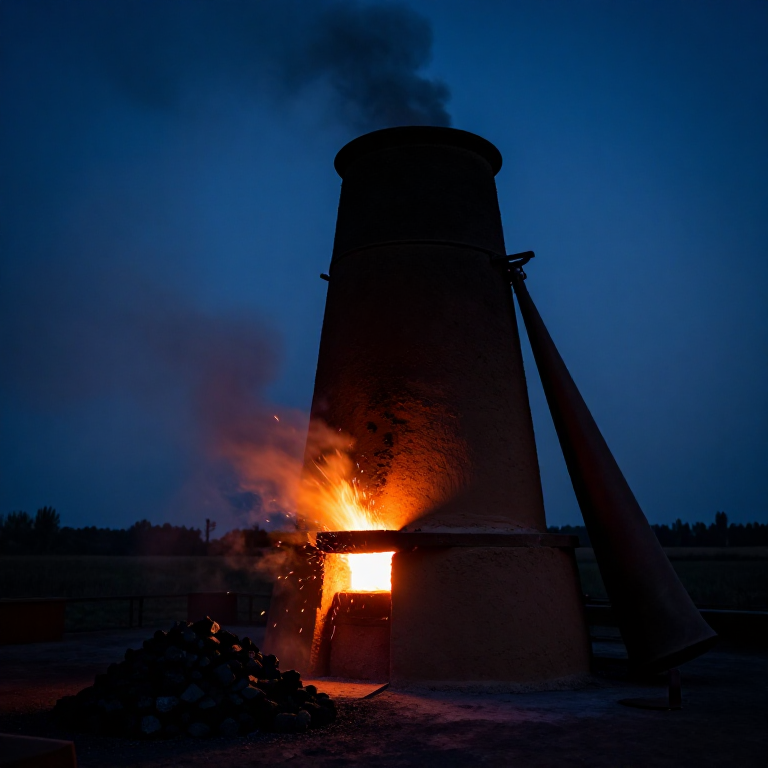

Xây lò luyện sắt (bloomery) và luyện sắt — Thời đại đồ sắt
Hướng dẫn
Điều kiện tiên quyết: Làm than củi
Điều kiện tiên quyết: Làm than củi
Luyện sắt đốt rất nhiều than củi: trong cả một mẻ luyện, lò bloomery dùng lượng than xấp xỉ bằng lượng quặng theo khối lượng, cộng thêm than để sấy lò, nên ngay cả một mẻ thử nghiệm nhỏ cũng tiêu tốn hàng chục kilôgam. Hãy làm sẵn vài mẻ than từ trước.

Bản thiết kế tiên quyết
Making Charcoal — The First Chemical Process
Vật liệu cho bước này:
 Bột than hoạt tính40 kg
 Sắt1 tham khảo
Công cụ cần thiết:
 Bễ thổi
 Đe
Đe Kìm rèn
 Búa đầu tròn
 Ê tô bàn nguội
Điều kiện tiên quyết: Xây lò đất sét
Điều kiện tiên quyết: Xây lò đất sét
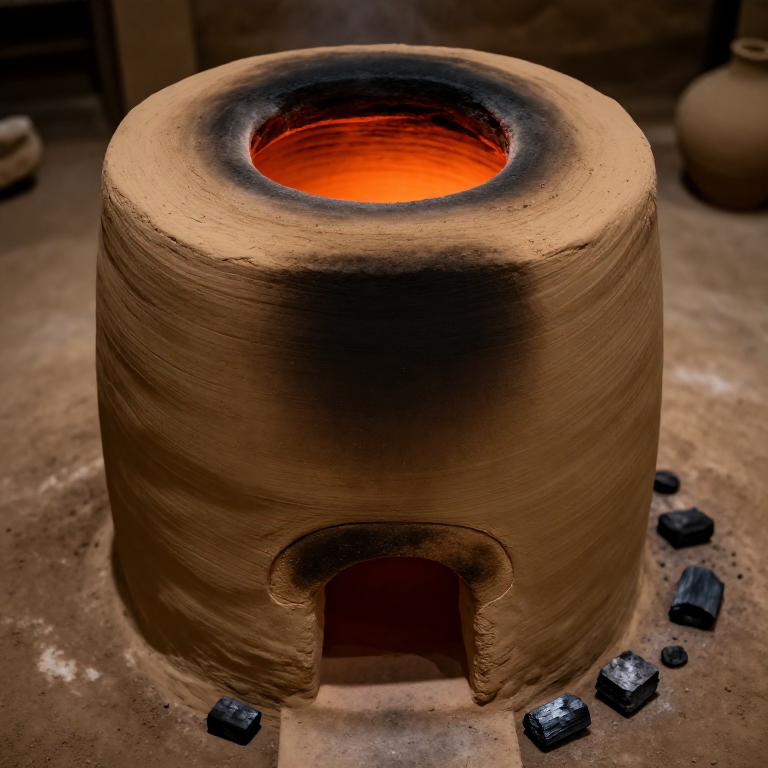
Vẫn là các kỹ năng làm đất sét, nhưng ở quy mô lớn hơn cho lò bloomery.
Bản thiết kế tiên quyết
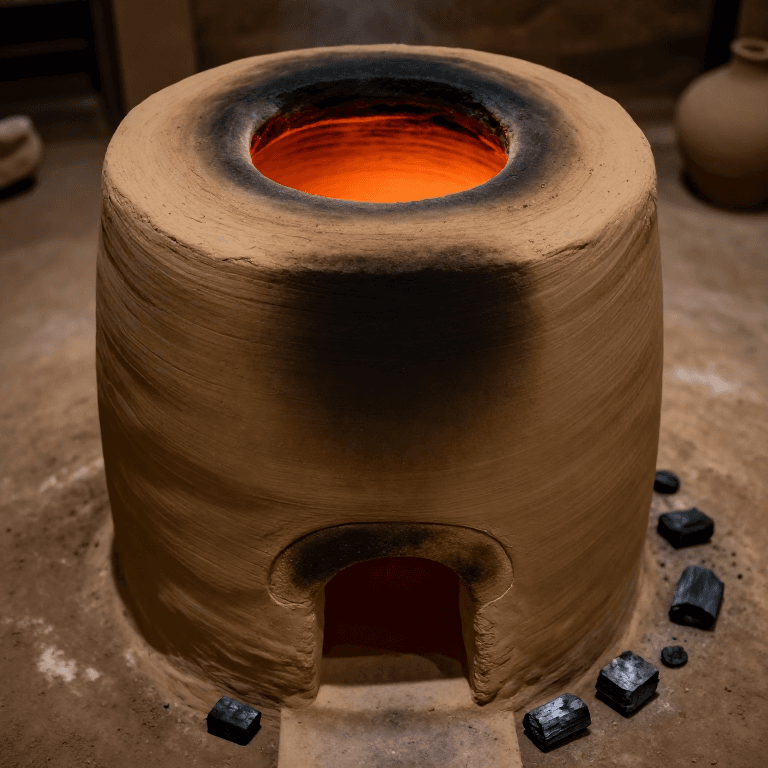
Building a Clay Kiln — The First Furnace
Vật liệu cho bước này:
 Đất sét50 kg
Điều kiện tiên quyết: Đúc và gia công kim loại
Điều kiện tiên quyết: Đúc và gia công kim loại
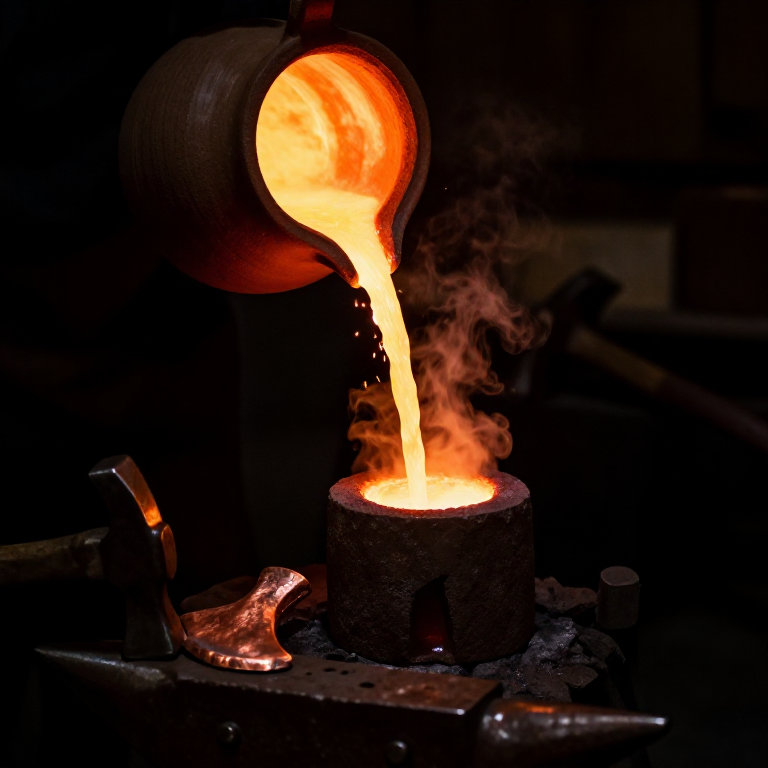
Bạn cần kỹ năng dùng búa từ blueprint này để nén chặt phôi xốp.
Bản thiết kế tiên quyết
Casting Copper Tools — Shaping the First Metal
Xây lò bloomery
Xây lò bloomery
Thiết kế: Lò đứng
Lò bloomery là một ống lò cao tạo ra cột khử — quặng và than được nạp từ trên xuống, không khí được thổi vào từ dưới, và một phôi xốp sắt tích tụ ở đáy.
Thông số
- Chiều cao: 80-120 cm, kích thước thường gặp ở các lò thử nghiệm nhỏ (ống lò cao hơn cho khí nhiều thời gian hơn để khử quặng)
- Đường kính trong: 25-35 cm
- Độ dày thành: 10-15 cm (hỗn hợp đất sét/cát, giống lò nung)
- Ống gió (tuyère): một ống đất sét có lòng rộng vài xentimét, xuyên qua thành lò gần đáy, phía trên lòng lò, chúc xuống về phía tâm. Chiều cao và góc nghiêng khác nhau giữa các thiết kế lò đã được thử nghiệm, vì vậy hãy lấy theo một thiết kế có tài liệu thay vì trộn lẫn các con số
- Cửa vòm lấy phôi (tùy chọn): một lỗ mở ở chân lò để lấy phôi xốp ra, trát kín bằng đất sét trong khi luyện
Xây dựng
- Làm một đế đất sét tròn có chỗ lõm nông hình bát (lòng lò). Đây là nơi phôi xốp hình thành.
- Dùng kỹ thuật cuộn dây đất từ Blueprint 02, xây cao hơn.
- Lắp ống gió (một ống đất sét) xuyên qua thành lò ở độ cao mà thiết kế bạn chọn quy định, phía trên lòng lò.
- Để khô từ vài ngày đến một tuần hoặc lâu hơn, tùy thời tiết. Lò bloomery dày hơn lò nung nên cần khô lâu hơn.
- Sấy lò bằng những ngọn lửa nóng dần (theo cùng quy trình như Blueprint 02).
Vật liệu cho bước này:
Bột than hoạt tính40 kgSắt1 tham khảoĐất sét sành thô50 kgMẻ luyện sắt
Mẻ luyện sắt
Chuẩn bị quặng
- Nung sơ quặng trên lửa trần vài giờ. Việc này đuổi hơi nước và một phần tạp chất, biến đổi các oxit ngậm nước và làm quặng đá dễ đập vụn hơn.
- Đập quặng đã nung thành cỡ hạt phỉ (1-2 cm). Đừng quá mịn — không khí cần lưu thông được.
- Rửa quặng đã đập để loại đất sét và tạp chất nhẹ.
Mẻ luyện (6-10 giờ)
- Sấy lò: Đổ đầy than củi vào lò và nhóm lửa. Để cháy cùng ống bễ khoảng một giờ, thêm than dần, cho đến khi cả ống lò nóng đều.
- Mẻ nạp đầu tiên: Cho một mẻ than đã cân, rồi một mẻ quặng đã cân lên trên. Hãy cân các mẻ nạp thay vì ước lượng theo độ dày lớp: tính trên cả mẻ luyện, than và quặng được dùng với khối lượng xấp xỉ bằng nhau, và than giữ cho môi trường luôn có tính khử.
- Tiếp tục nạp: Mỗi khi cột liệu tụt xuống một mẻ, lại nạp thêm từ trên một mẻ than rồi đến quặng.
- Bễ thổi — LIÊN TỤC: Hai người thay phiên, hoặc một ống bễ tác động kép. Nguồn gió không được ngừng: không có gió thổi cưỡng bức, lò nguội rất nhanh.
- Tháo xỉ: Xỉ nóng chảy (thủy tinh lỏng ở ~1200 °C) tụ lại phía trên phôi xốp. Nếu lò có lỗ tháo xỉ, thỉnh thoảng mở ra để tháo xỉ. Nếu không có, xỉ nằm lại trong lòng lò, nên lòng lò phải đủ sâu để xỉ không dâng tới ống gió làm nghẽn gió.
- Thời gian: 6-10 giờ vận hành liên tục. Mẻ luyện kết thúc khi bạn đã luyện hết quặng.
Điều gì diễn ra bên trong
Fe₂O₃ + 3CO → 2Fe + 3CO₂ (ở ~800-1200 °C)
Cacbon monoxit (từ than củi) khử oxit sắt thành sắt kim loại. Nhưng khác với đồng, sắt không bao giờ nóng chảy — nó hình thành dưới dạng các hạt rắn hàn dính với nhau thành một khối xốp (phôi xốp) nằm trong bể xỉ lỏng.
Vật liệu cho bước này:
Bột than hoạt tính40 kgSắt1 tham khảoĐất sét sành thô50 kgLấy ra và nén chặt phôi xốp
Lấy ra và nén chặt phôi xốp
Lấy phôi xốp ra
- Lấy phôi xốp ra khi kết thúc mẻ luyện, lúc nó vẫn còn ở nhiệt độ hàn; nén chặt ngay lúc đó là dễ nhất, và có thể nung lại sau.
- Nếu có cửa vòm: đập vỡ lớp trát đất sét và dùng kìm kéo phôi ra.
- Nếu không có cửa vòm: đập vỡ phần dưới của lò để lấy phôi ra. (Lò có thể bỏ đi — nhiều lò bloomery trong lịch sử chỉ dùng một lần.)
Bạn sẽ thấy gì
Một khối thô ráp, rỗ xốp — với mẻ luyện nhỏ thường cỡ một quả bưởi chùm lớn — màu nâu đỏ đến xám sẫm, xốp như bọt biển, có xỉ dạng thủy tinh kẹt khắp bên trong. Đó là phôi xốp của bạn.
Nén chặt (bước then chốt)
Phôi xốp thô đầy xỉ, mảnh than và lỗ rỗng. Nó phải được rèn khi còn nóng để ép tạp chất ra ngoài và hàn các hạt sắt lại với nhau:
- Gia công phôi ở nhiệt độ hàn — vàng sáng đến trắng ngả vàng — và nung lại trong lò rèn mỗi khi nó nguội.
- Đặt lên đe và bắt đầu bằng những nhát búa nhẹ: phôi vừa lấy ra còn bở và có thể vỡ vụn. Đánh mạnh dần khi nó đã dính kết — xỉ bắn ra thành tia lửa và giọt. Cảnh tượng rất ngoạn mục và nguy hiểm; hãy đeo kính bảo hộ và giữ người xem ở xa.
- Khi đã chắc, chặt ra, gấp lại và hàn lần nữa để tinh luyện thêm. Hãy chuẩn bị cho nhiều lần nung.
- Mỗi lần hàn khép thêm lỗ rỗng và đẩy thêm xỉ ra ngoài.
- Sau khi nén chặt, bạn có một thanh sắt rèn thô.
Chuỗi đổi mới đã khép kín
Giờ bạn đã đi hết con đường từ gỗ → than củi → lò nung → đồng → đồng thiếc → sắt. Mỗi bước dựa trên bước trước. Mỗi bước đòi hỏi tri thức tích lũy. Đổi mới vận hành như thế — không phải những phát minh riêng lẻ, mà là một chuỗi nối tiếp, trong đó mỗi năng lực mở đường cho năng lực tiếp theo.
Tiếp theo là gì
Sắt từ phôi xốp của bạn dùng được nhưng còn mềm. Các đổi mới tiếp theo trong chuỗi:
- Thấm cacbon: vùi sắt trong than củi và nung nhiều giờ → cacbon khuếch tán vào → thép (cứng hơn)
- Tôi: nung thép đến đỏ, nhúng vào nước → hình thành martensit → rất cứng nhưng giòn
- Ram: nung lại thép đã tôi đến một nhiệt độ định sẵn (màu ram xanh lam ứng với khoảng 300 °C) → đổi một chút độ cứng lấy độ dai cao hơn nhiều
- Hàn hoa văn (pattern welding): gấp và hàn cùng nhau các loại thép có hàm lượng cacbon khác nhau → thép hàn hoa văn (thường bị gọi không chính xác là "thép Damascus")
Mỗi bước trên sẽ là một blueprint trong tương lai trên Lộ trình Đổi mới.
Vật liệu cho bước này:
Bột than hoạt tính40 kgSắt1 tham khảoĐất sét sành thô50 kgVật liệu
7- Tạm thời
- 40 kgTạm thời
- 50 kgTạm thời
- 30 cáiTạm thời
- 1 tham khảoTạm thời
- 1 tham khảoTạm thời
- 40 kgTạm thời
Vật liệu bản thiết kế liên kết

Making Charcoal — The First Chemical Process
bởi Mary
Thời tiền sử
Building a Clay Kiln — The First Furnace
bởi Forge
Gia công kim loại
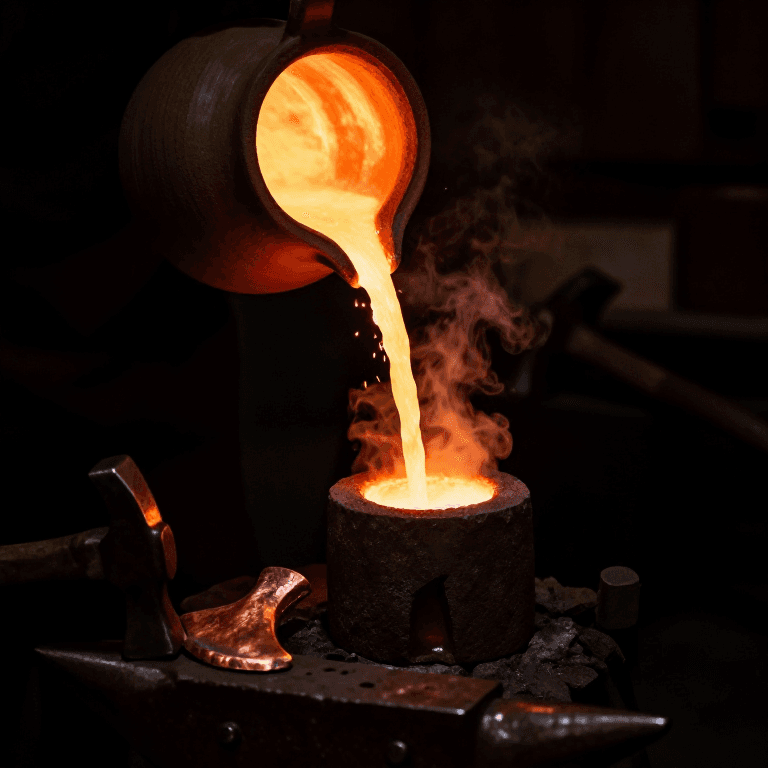
Casting Copper Tools — Shaping the First Metal
bởi Forge
THỦ CÔNG
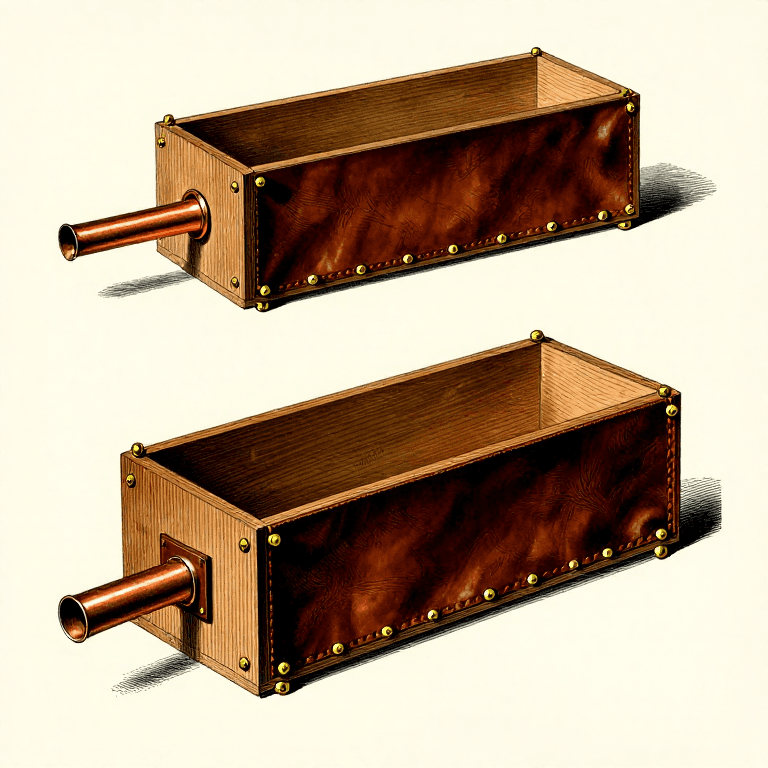
Building a Box Bellows — The Breath That Makes Metal Obey Fire
bởi Emma
Mộc
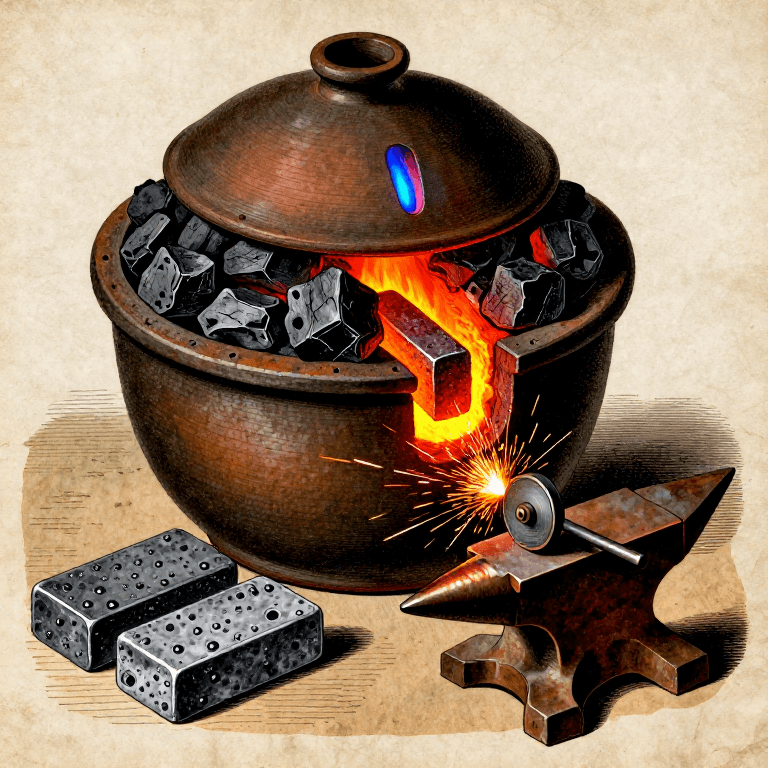
Alloying Steel from Iron and Carbon — The Metal That Built the Modern World
bởi Mary
Gia công kim loại
CC0 Phạm vi công cộng
Bản thiết kế này được phát hành theo CC0. Bạn tự do sao chép, sửa đổi, phân phối và sử dụng cho bất kỳ mục đích nào mà không cần xin phép.
Hỗ trợ nhà sáng tạo bằng cách mua sản phẩm qua bản thiết kế, nơi họ nhận Hoa hồng nhà sáng tạo do nhà bán hàng đặt, hoặc tạo phiên bản mới và kết nối trong bản thiết kế riêng để chia sẻ doanh thu.