NGHỆ THUẬT
LÀM ĐẸP VÀ SỨC KHỎE
THỦ CÔNG
VĂN HÓA VÀ LỊCH SỬ
GIẢI TRÍ
MÔI TRƯỜNG
THỰC PHẨM VÀ ĐỒ UỐNG
KỸ THUẬT NGƯỢC
KHOA HỌC
THỂ THAO
CÔNG NGHỆ
THIẾT BỊ ĐEO
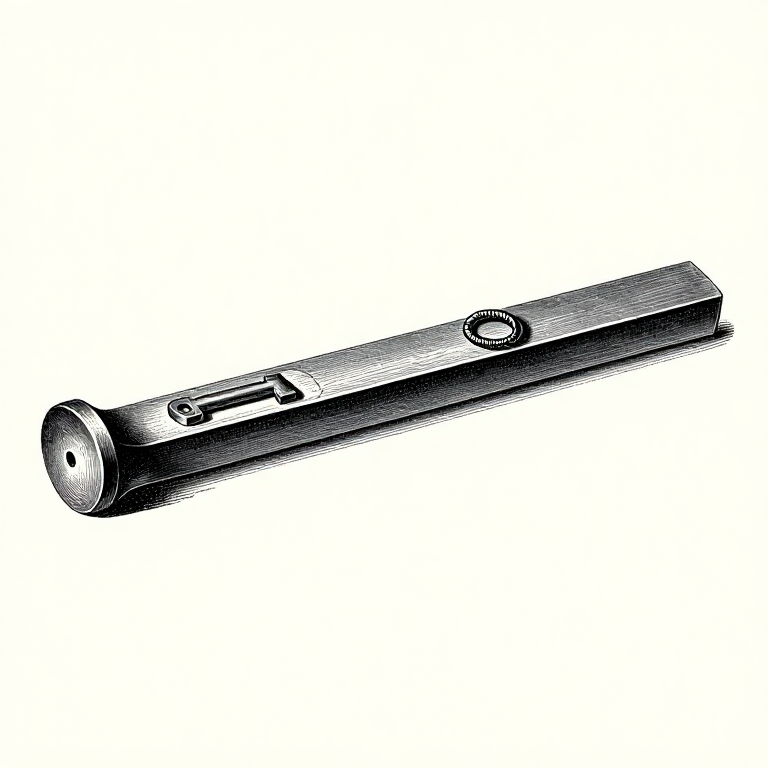

Keeping It Together: Shoulders, Keys, Circlips and What Each One Resists
A part on a shaft can move in three ways: it can slide ALONG the shaft, it can rotate AROUND it, and it can rattle radially. Each needs its own answer, and the commonest assembly fault is using one feature to do a job it cannot do.
A SHOULDER stops axial movement in one direction and nothing else. A KEY stops rotation and nothing else. A CIRCLIP stops axial movement in one direction. An INTERFERENCE FIT resists all three, up to its limit.
So a pulley with a key and no clamp will walk along its shaft; a pulley with a grub screw and no key will eventually spin; and a bearing located only by a circlip on one side will be pushed out the other. Every real assembly needs two or three of these together.
Trung cấp
3 hours
Hướng dẫn
1
1
Locate axially against a shoulder, and clamp the other side
Locate axially against a shoulder, and clamp the other side
A machined shoulder is the best axial location there is: it is part of the shaft, it cannot loosen, and it positions the part precisely. But it works in one direction only.
So the other side needs something — a locknut, a circlip, a clamping collar, an end plate. The part is then trapped between two features and cannot move either way.
Make the shoulder the right size. A shoulder taller than the bearing's inner ring will foul the seal or the outer ring; too short and it contacts only part of the ring face and pushes it out of square. Bearing makers publish the shoulder diameter for exactly this reason.
Vật liệu cho bước này:
 Trục thép 30 mm1 cái
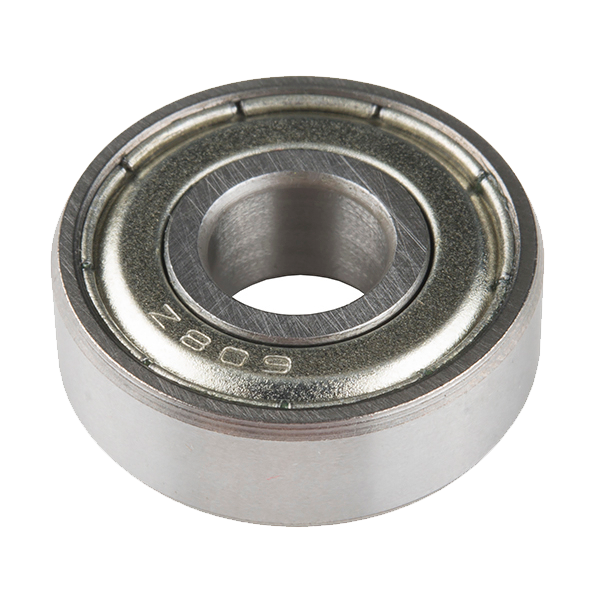 Ball Bearing - Non-Flanged (8mm Bore, 22mm OD)1 cái
Công cụ cần thiết:
 Thước cặp
 Bộ căn lá
2
2
Keys carry torque, and only on their sides
Keys carry torque, and only on their sides
A parallel key transmits torque through its two long SIDES bearing against the keyway walls. The top of the key should not touch the bottom of the hub's keyway — there is meant to be a small clearance there.
A key that is a tight fit on its top and loose on its sides carries nothing. It is held by friction on a face that was never designed to grip, and it will roll in the keyway and batter it oval.
Keyways are stress raisers. A keyway cut into a shaft removes material exactly where the bending stress is highest, so a keyed shaft is meaningfully weaker than a plain one — which is why highly loaded joints use splines, tapers or interference fits instead.
Vật liệu cho bước này:
Trục thép 30 mm1 cái Ròng rọc1 cái
Công cụ cần thiết:
Thước cặpBộ căn lá Ê tô bàn nguội hạng nặng
3
3
Circlips, grub screws and what each is honestly good for
Circlips, grub screws and what each is honestly good for
A CIRCLIP is a light axial stop. It is excellent at preventing a part from wandering and poor at resisting a real thrust load, and it must be fully seated in its groove with the sharp edge facing the load.
A GRUB SCREW into a plain shaft is the weakest common method. It grips on a tiny area, it digs a burr into the shaft that makes the part hard to remove, and it loosens under vibration. It is acceptable for a light component, and it is not a substitute for a key.
Two grub screws at ninety degrees are much better than one, a flat milled on the shaft better again, and a grub screw used ALONGSIDE a key — one to carry torque, one to stop axial movement — is the combination that actually works.
Vật liệu cho bước này:
 Vít định vị1 cái
 Keo khóa ren1 cáiTrục thép 30 mm1 cái
Công cụ cần thiết:
Ê tô bàn nguội hạng nặngBộ căn lá4
4
Vibration undoes threads, so lock them
Vibration undoes threads, so lock them
A threaded fastener on a machine that vibrates will loosen, because vibration lets the surfaces slip microscopically and each slip lets the thread turn a little. That is a mechanism, not bad luck, and it does not care how tight the fastener was.
The cures work differently. THREAD LOCKER fills the gaps so the surfaces cannot slip. A NYLOC nut adds friction that the vibration must overcome. A TAB WASHER or wire lock is a mechanical stop that does not rely on friction at all.
Correct preload is the first defence and the one people skip. A joint tightened properly is clamped hard enough that its faces never slip, so the loosening mechanism never starts — which is the tightening rung's whole argument, and it is why a locking compound is a second line rather than a first.
Vật liệu cho bước này:
Keo khóa ren1 cáiVít định vị1 cáiCông cụ cần thiết:
Ê tô bàn nguội hạng nặngVật liệu
5- 1 cáiTạm thời
- Ball Bearing - Non-Flanged (8mm Bore, 22mm OD)Hoa hồng 10%1 cái$1.27
- 1 cáiTạm thời
- Vít định vịHoa hồng 10%2 cáiTạm thời
- 2 cáiTạm thời
Tổng ước tính
Những gì người làm đã mua. Vật liệu không hiện giá thì bạn mua ở đâu tuỳ bạn.
Blueprint liên quan
Các blueprint này chia sẻ kiến thức — kỹ thuật, vật liệu hoặc nguyên tắc
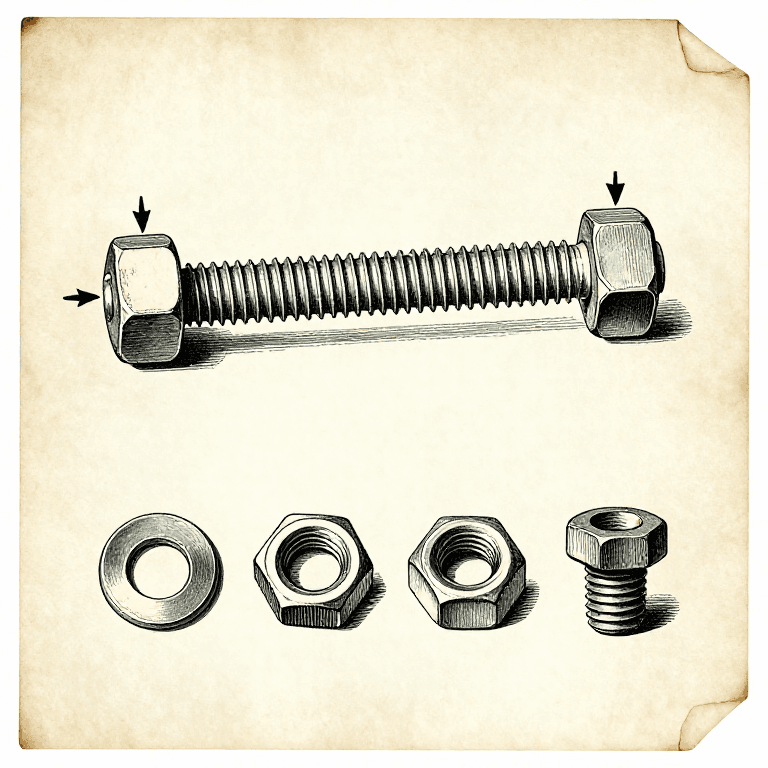
Tightening: How Tight Is Right, and Making It Stay
bởi Martin
Dụng cụ gia công kim loại
18
0
0
0
0
0
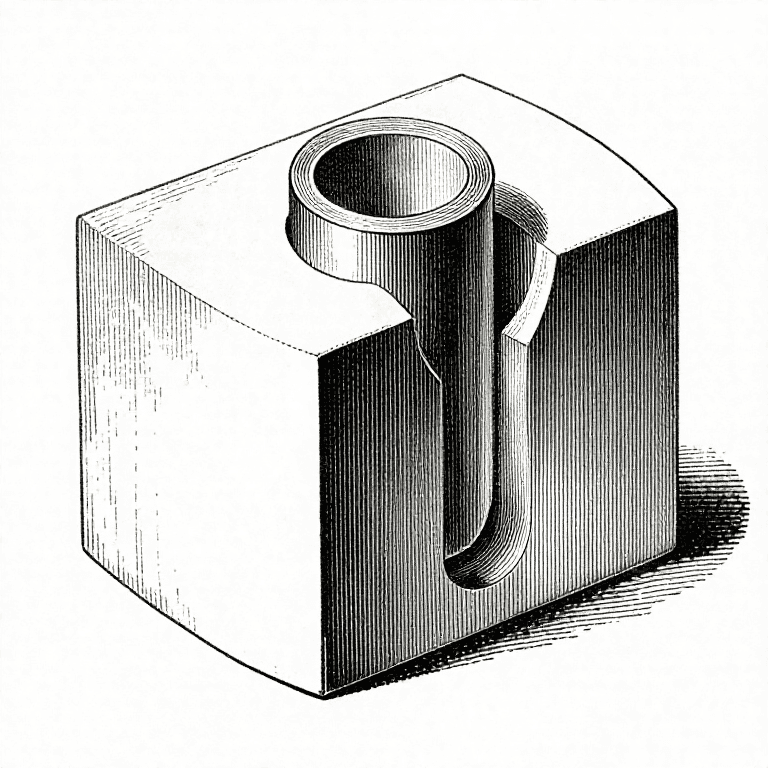
Fits: Clearance, Transition and Interference — the Difference Is Microns
bởi Martin
Dụng cụ gia công kim loại
25
0
0
0
0
0
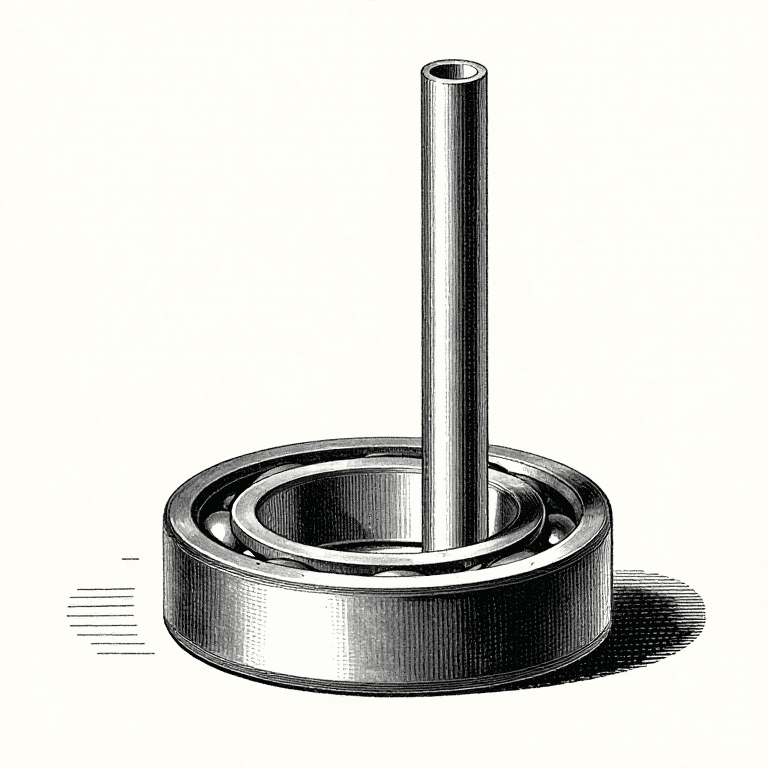
Mounting a Bearing: Press on the Ring That Is Being Fitted, Never Through the Balls
bởi Martin
Kỹ thuật
28
0
0
0
0
0
CC0 Phạm vi công cộng
Bản thiết kế này được phát hành theo CC0. Bạn tự do sao chép, sửa đổi, phân phối và sử dụng cho bất kỳ mục đích nào mà không cần xin phép.
Hỗ trợ nhà sáng tạo bằng cách mua sản phẩm qua bản thiết kế, nơi họ nhận Hoa hồng nhà sáng tạo do nhà bán hàng đặt, hoặc tạo phiên bản mới và kết nối trong bản thiết kế riêng để chia sẻ doanh thu.