NGHỆ THUẬT
LÀM ĐẸP VÀ SỨC KHỎE
THỦ CÔNG
VĂN HÓA VÀ LỊCH SỬ
GIẢI TRÍ
MÔI TRƯỜNG
THỰC PHẨM VÀ ĐỒ UỐNG
KỸ THUẬT NGƯỢC
KHOA HỌC
THỂ THAO
CÔNG NGHỆ
THIẾT BỊ ĐEO
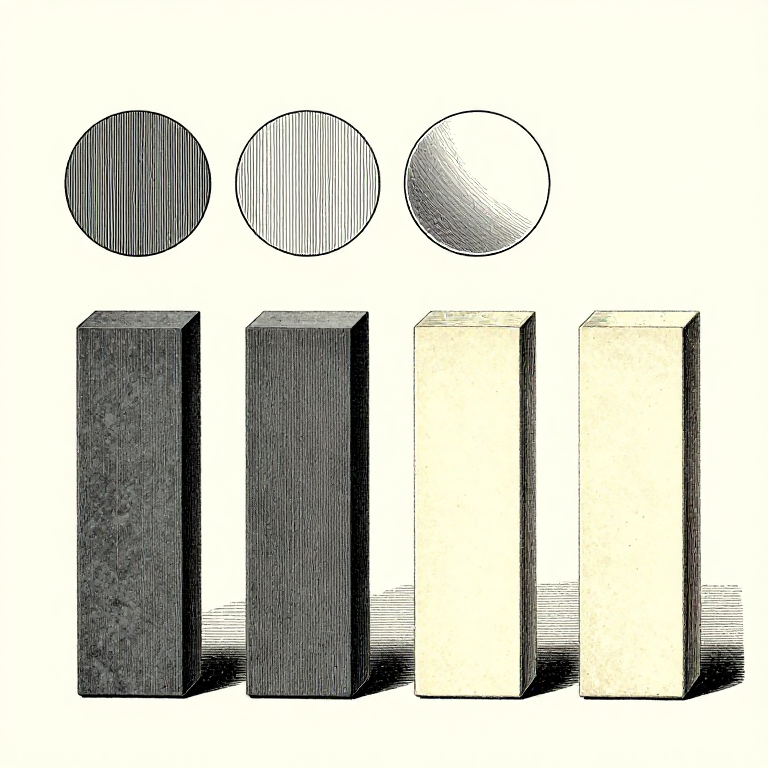


The Grit Progression: Why Skipping a Stone Costs You Time
Each stone does one job: it replaces the scratches left by the previous one with its own, finer set. That is all sharpening is after the apex has been reached — a controlled chain of scratch patterns, each finer than the last.
It follows that skipping a grit does not save time, it costs time. The finer stone has to remove the deep scratches the coarse one left, and it does so at its own slow rate. Two stones used in order are usually faster than one stone used twice as long.
It also follows that there is a point of diminishing returns, and where it lies depends on the tool. This rung is about finding that point instead of polishing forever.
Trung cấp
3 hours
Hướng dẫn
1
1
A scratch is a groove, and the edge is its ragged edge
A scratch is a groove, and the edge is its ragged edge
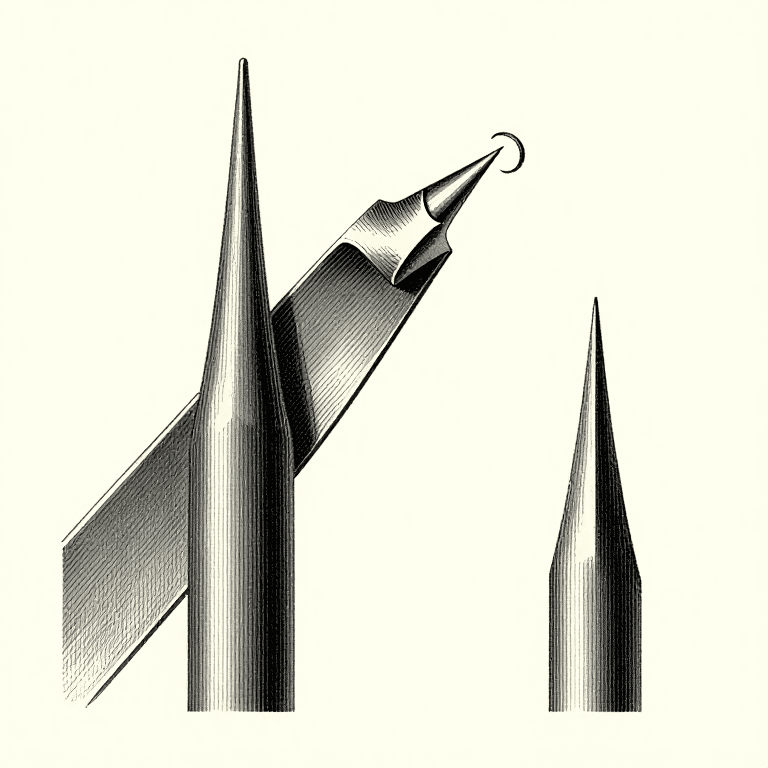
Under magnification a sharpened edge is not smooth. It is a row of tiny teeth, the ends of the grooves left by the last abrasive, and the coarser the abrasive the bigger the teeth.
That is why a coarsely sharpened knife saws through a tomato skin and a polished one presses through it. Neither is wrong. A butcher's knife and a serrated bread knife both exploit the teeth deliberately; a paring chisel wants none of them because they tear the wood fibres it is meant to sever cleanly.
Look at a freshly ground edge under a loupe and you can see the scratch pattern directly. Turn the blade so the light rakes across the bevel and the direction of the grooves shows plainly.
Công cụ cần thiết:
 Kính lúp thợ kim hoàn
 Bộ đục - lưỡi vát cạnh
 Dao bếp
2
2
Move up only when the previous scratches are gone
Move up only when the previous scratches are gone
Work at each grit until the scratch pattern across the whole bevel is uniform and running in one direction, with no deeper grooves crossing it. Then move up.
A useful trick: change the stroke direction at each grit — circles at the coarse stone, straight strokes at the medium, figure-eights at the fine. The leftover scratches from the previous stone then run visibly across the new ones and you can see at a glance when they are gone, instead of guessing.
Time per grit falls sharply as you go up, because each stone is removing less and less metal. The coarse stone may take five minutes; the finish stone twenty strokes.
Công cụ cần thiết:
 Đá mài dao
 Đá màiKính lúp thợ kim hoàn
3
3
Cost the progression out
Cost the progression out
Đang tải sổ tay Jupyter…
Công cụ cần thiết:
 Máy tính bỏ túiĐá mài dao
4
4
Keep the stones flat, or they will teach your hands wrong
Keep the stones flat, or they will teach your hands wrong
Stones dish in the middle because that is where the blade spends its time. A dished stone rounds every bevel put on it, and it does so gradually enough that the maker adapts and never notices.
Flatten with coarse abrasive paper on float glass, or by rubbing two stones together. Do it often — a minute every few sharpenings, not an hour once a year. Pencil a grid across the stone face first; when every line is gone, it is flat.
Use the whole face when honing, not just the centre, and the dishing slows right down. This one habit does more for edge quality than any upgrade in stones.
Công cụ cần thiết:
 Tấm kính nổiĐá mài daoĐá mài
 Bút dạ không xoá
 Bộ giấy nhám nhiều loại
Công cụ yêu cầu
9- Tạm thời
- Tạm thời
- Tạm thời
- Tạm thời
- Tạm thời
- Tạm thời
- Tạm thời
- Tạm thời
- Tạm thời
Blueprint liên quan
Các blueprint này chia sẻ kiến thức — kỹ thuật, vật liệu hoặc nguyên tắc

CC0 Phạm vi công cộng
Bản thiết kế này được phát hành theo CC0. Bạn tự do sao chép, sửa đổi, phân phối và sử dụng cho bất kỳ mục đích nào mà không cần xin phép.
Hỗ trợ nhà sáng tạo bằng cách mua sản phẩm qua bản thiết kế, nơi họ nhận Hoa hồng nhà sáng tạo do nhà bán hàng đặt, hoặc tạo phiên bản mới và kết nối trong bản thiết kế riêng để chia sẻ doanh thu.