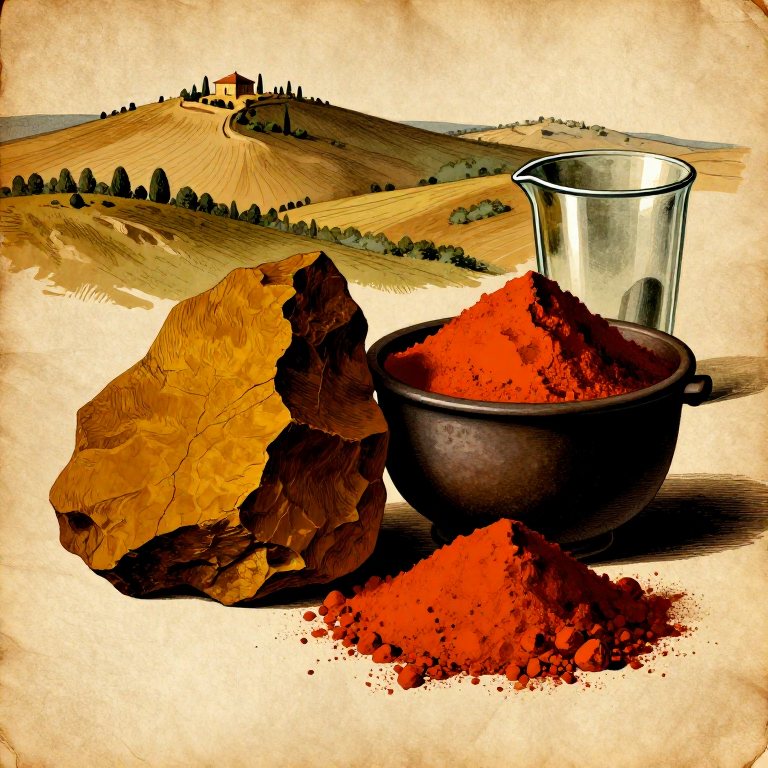

Making Raw and Burnt Sienna — The Warm Iron Earth from Tuscany
Sienna is a natural earth pigment named after the Tuscan city of Siena, where some of the finest deposits were historically mined. It is composed primarily of iron oxide (goethite) with clay and a small amount of manganese dioxide — typically 1-5% manganese, compared to 5-20% in umber. This lower manganese content gives sienna a warmer, more orange-brown tone than umber's cool greenish-brown. Raw sienna is a warm, transparent golden-brown — one of the most beautiful earth colours, valued for its luminous warmth in glazing.
Burnt sienna — produced by calcining raw sienna at moderate heat — is a deep, warm, orange-red brown, one of the most useful and popular colours in the entire painter's palette. The calcination converts the goethite (FeOOH) to hematite (Fe₂O₃), shifting the colour from golden-brown to a rich reddish-brown with a distinctly orange undertone. Both raw and burnt sienna have been in continuous use since antiquity. They are completely lightfast, non-toxic, and compatible with every painting binder. Burnt sienna mixed with ultramarine blue produces a range of subtle, luminous greys that are far more beautiful than any grey mixed from black and white.
Imiyalelo
Select and inspect raw sienna earth
Select and inspect raw sienna earth
Obtain raw sienna earth from a geological supplier or art pigment dealer. True sienna is a warm golden-brown, distinctly more orange-toned than yellow ochre and warmer than raw umber. The streak on white paper should be a clear warm brown with a golden or orange undertone — not greenish (which would indicate high manganese, closer to umber) or pale yellow (which is ochre, not sienna). Italian sienna from Tuscany is the traditional benchmark, though good deposits are found worldwide. Remove stones and organic debris.
Izinto zokwakha zalesi sinyathelo:
 Umhlabathi we-sienna oluhlaza500 g
Crush and grind to coarse powder
Crush and grind to coarse powder
Break the raw sienna lumps in a stone mortar and pestle, pounding and grinding until the earth is a coarse, gritty powder. Sienna is typically soft and crumbly — easier to crush than most ochres — because it forms in decomposed rock and soil rather than in hard mineral veins. Wear a dust mask during crushing. The coarse powder is now ready for levigation.
Amathuluzi adingekayo:
 Isigqulo Nomgqulo Wetshe
 Imaski Yothuli
Levigate the raw sienna
Levigate the raw sienna
Add the crushed sienna to a glass settling jar with water at roughly 5:1 ratio. Stir vigorously, wait 30 seconds for coarse sand and grit to settle, then carefully pour the still-cloudy suspension through muslin cloth into a second clean jar. Let the second jar settle undisturbed for 4-6 hours. The fine pigment collects as a dense, smooth layer at the bottom. Pour off the clear water and repeat the settling if any grit remains. The levigated sienna should feel perfectly smooth — no grittiness at all.
Amathuluzi adingekayo:
 Ijeke lengilazi lokuzikisa
 Indwangu ye-muslin
 Induku Yokugovuza
Dry and divide — reserve half as raw sienna
Dry and divide — reserve half as raw sienna
Spread the wet pigment paste on a clean glass surface and dry completely (1-2 days). Grind half on a glass muller to a fine, smooth powder — this is finished raw sienna, a beautiful warm golden-brown with a luminous transparency that makes it one of the finest glazing pigments in oil painting. Store in a sealed glass jar. Reserve the other half for calcination.
Amathuluzi adingekayo:
 Umgqulo Wengilazi
 Ijeke Lengilazi Elinesivalo
Calcine to produce burnt sienna
Calcine to produce burnt sienna
Place the reserved raw sienna in a clay crucible and heat gradually to 300-500°C, holding for 30-60 minutes. As the goethite dehydrates to hematite, the colour transforms from golden-brown to a rich, warm orange-red brown — one of the most dramatic and beautiful colour changes in pigment chemistry. The exact temperature determines the final shade: lower temperatures produce a more moderate warming, while higher temperatures yield a deeper, more reddish tone. Do not exceed 600°C or the pigment dulls. Let cool completely.
Amathuluzi adingekayo:
 Imbiza Yobumba Emelana Nomlilo
 Udlawu Lwesitsha Sokuncibilikisa
 Amagilavu Esikhumba Anemikhono Emide
Grind the burnt sienna to finished pigment
Grind the burnt sienna to finished pigment
Grind the cooled, calcined sienna on a glass muller to a fine, smooth powder. Burnt sienna is a warm, rich orange-red brown — compare it to the raw sienna from step 4 to see the transformation clearly. Store in a sealed glass jar. Both raw and burnt sienna are permanent, lightfast, non-toxic, and compatible with all media. Burnt sienna is particularly valued in watercolour for its granulating texture and in oil for its warm, transparent glazing quality. Mixed with ultramarine blue, it produces some of the most beautiful neutral greys and shadow tones available to the painter.
Amathuluzi adingekayo:
Umgqulo WengilaziIjeke Lengilazi ElinesivaloIzinto
1- Isibambeli
Amathuluzi Adingekayo
10- Isibambeli
- Isibambeli
- Isibambeli
- Isibambeli
- Isibambeli
- Isibambeli
- Isibambeli
- Isibambeli
- Isibambeli
- Isibambeli
Izinto Zokwakha Ze-Blueprint Exhunyiwe
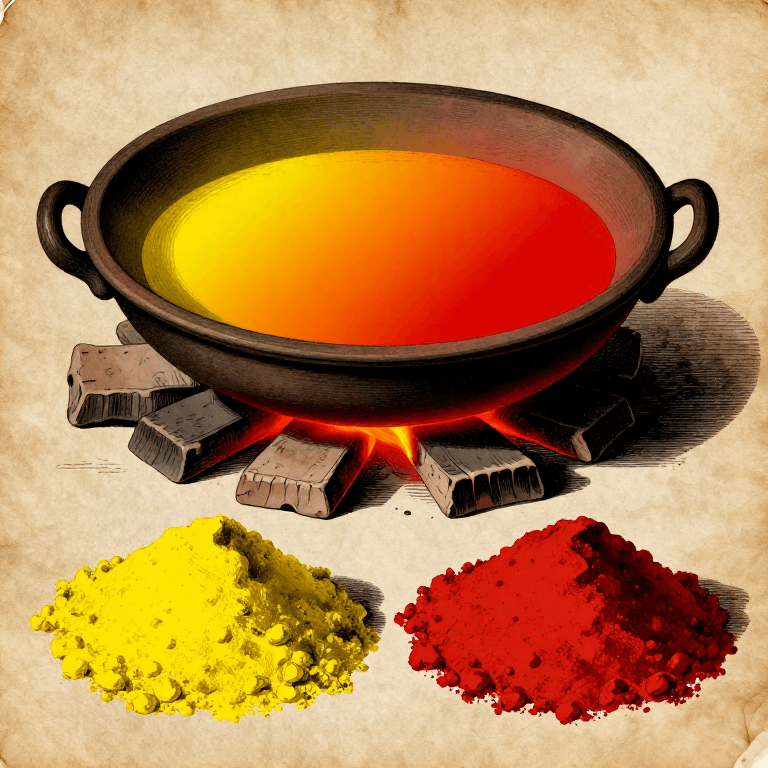
Making Red Ochre by Calcining Yellow Ochre — The Oldest Deliberate Pigment Transformation
ngu-Charlie
UBUCIKO
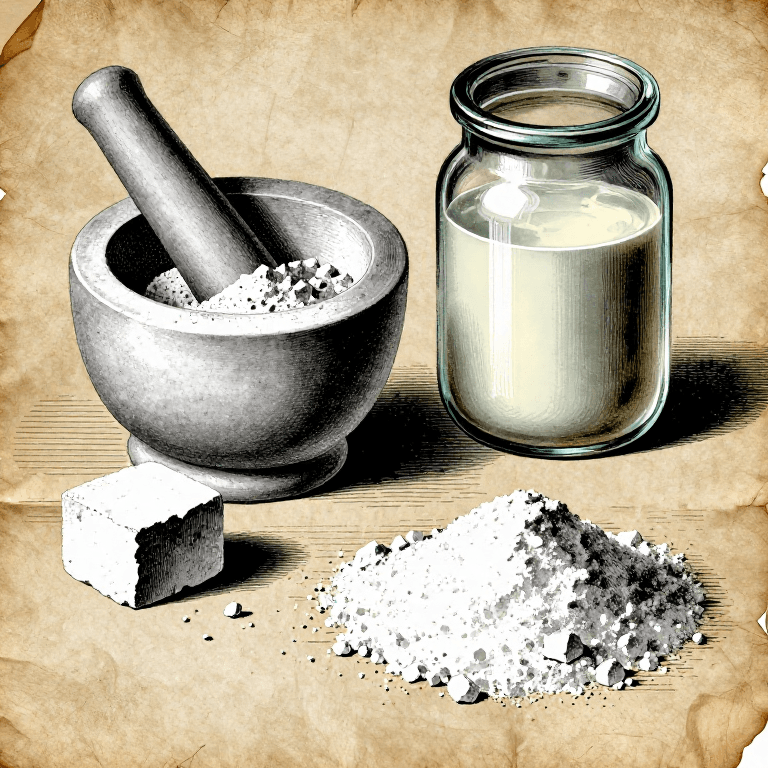
Making Chalk White Pigment (Whiting) — Grinding and Levigating Natural Chalk
ngu-Charlie
UBUCIKO
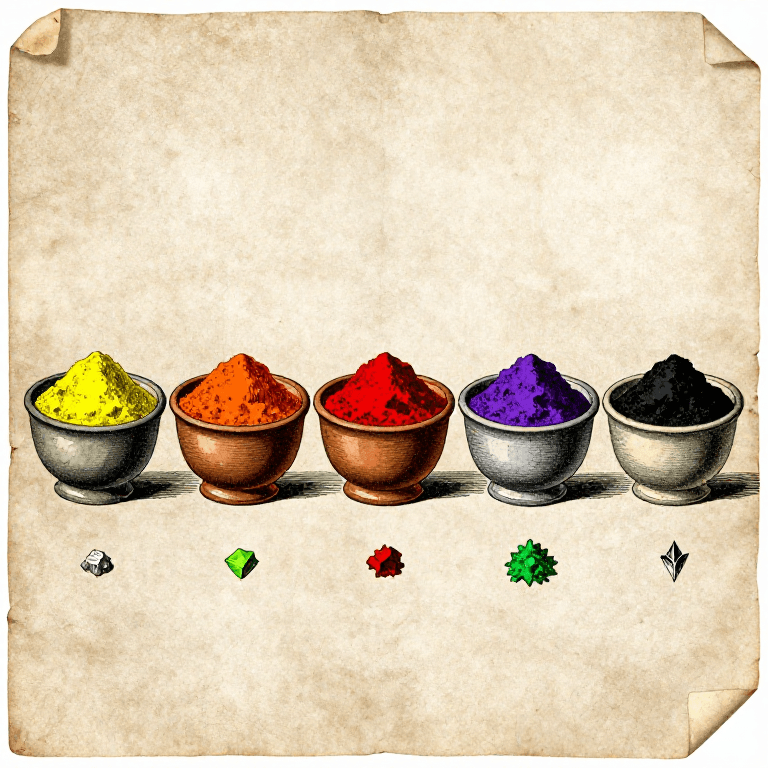
Making Mars Colours — Synthetic Iron Oxide Pigments from Copperas
ngu-Charlie
UBUCIKO
Le blueprint yenza

Ama-blueprint ahlobene
Lama-blueprint abelana ngolwazi — amasu, izinto noma izimiso
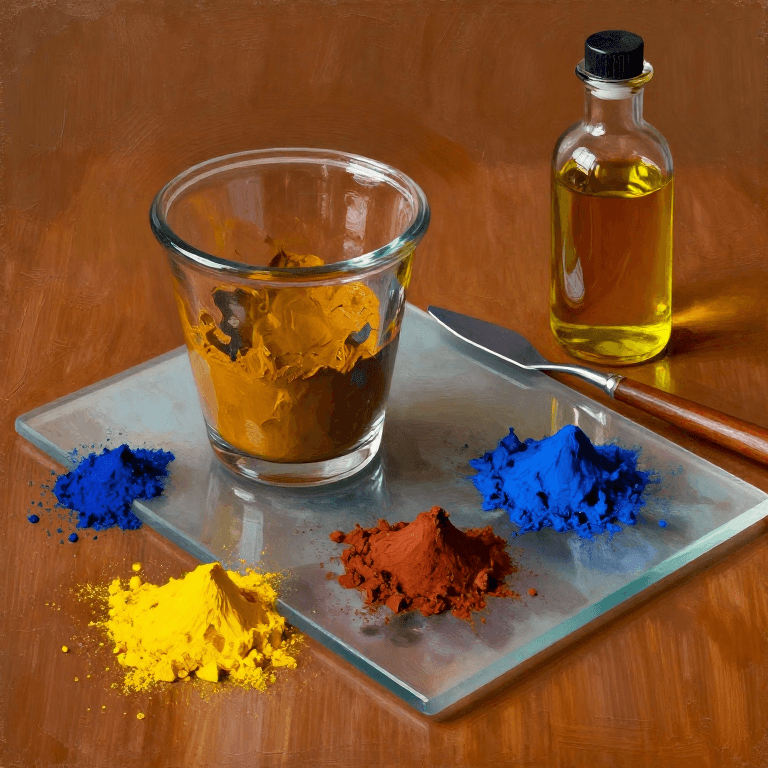
Making Oil Paint from Raw Pigments — Grinding Pigments in Linseed Oil
ngu-Charlie
UBUCIKO
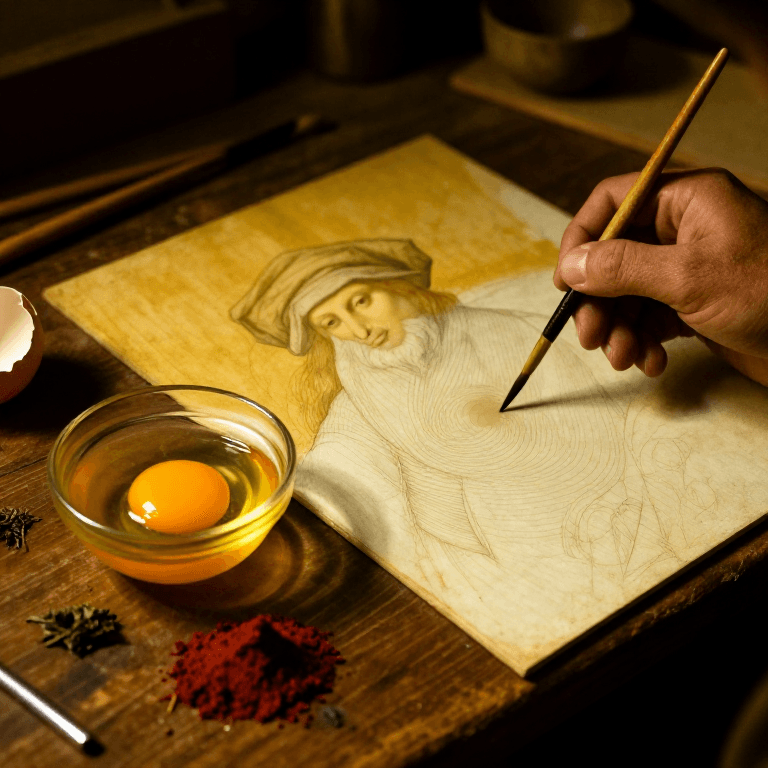
Making Egg Tempera Paint — The Medieval Panel Painting Medium
ngu-Charlie
UBUCIKO
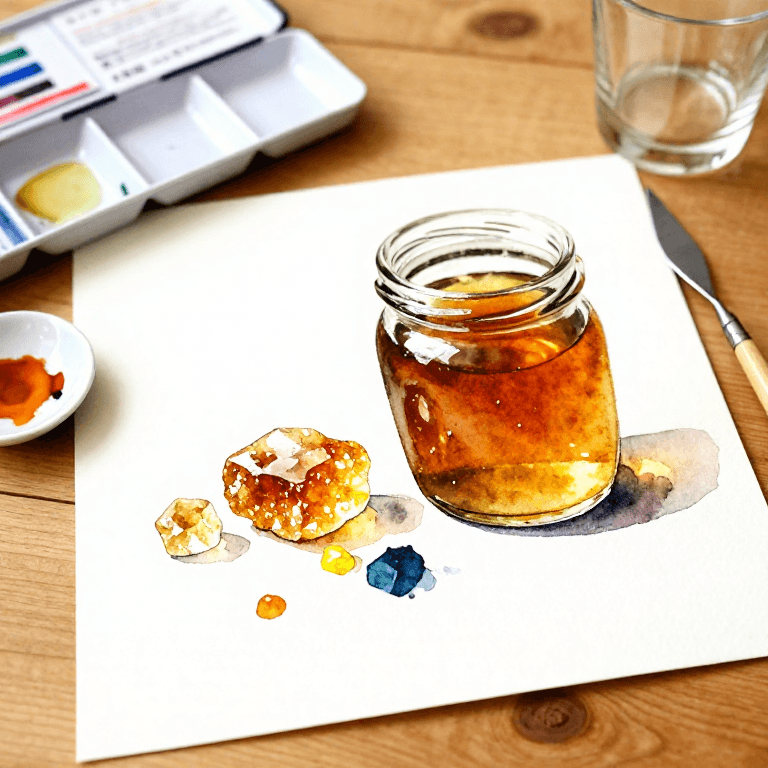
Making Watercolour Paint from Raw Pigments — Gum Arabic Binder
ngu-Charlie
UBUCIKO
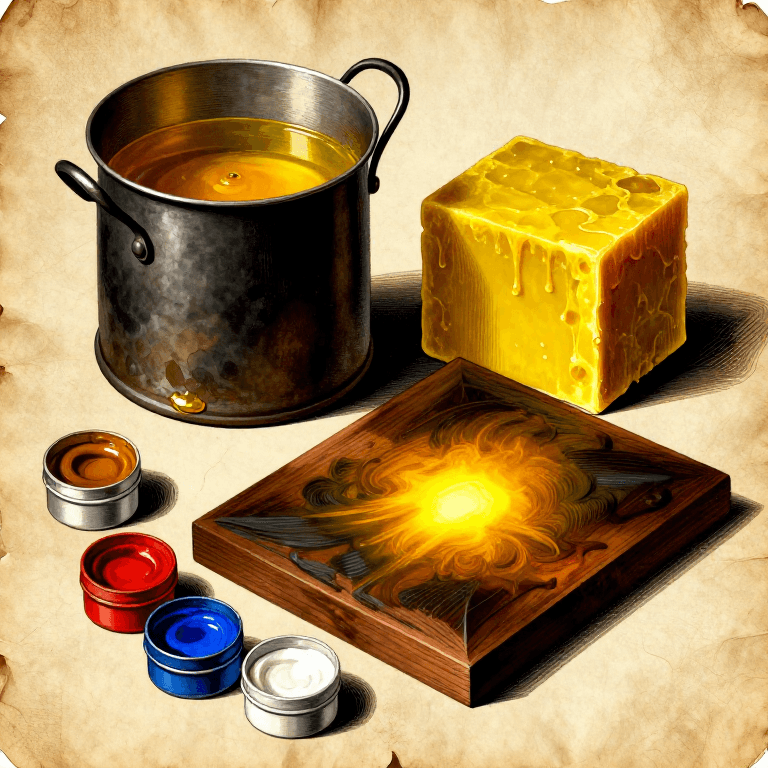
Making Encaustic Paint — The Hot Beeswax Medium of Ancient Greek and Egyptian Painters
ngu-Charlie
UBUCIKO
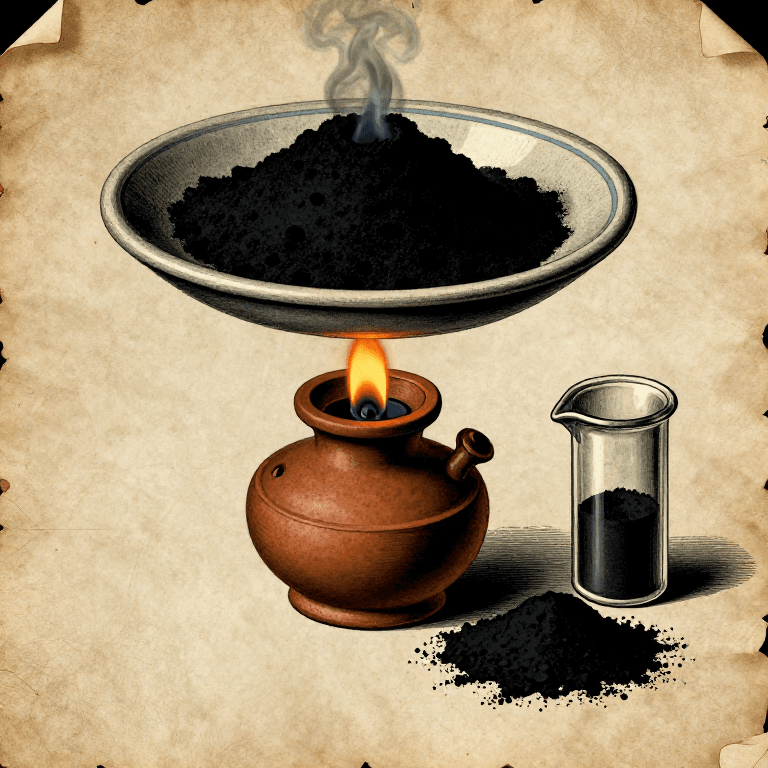
Making Lampblack Pigment — Collecting Carbon Soot from a Burning Flame
ngu-Charlie
UBUCIKO
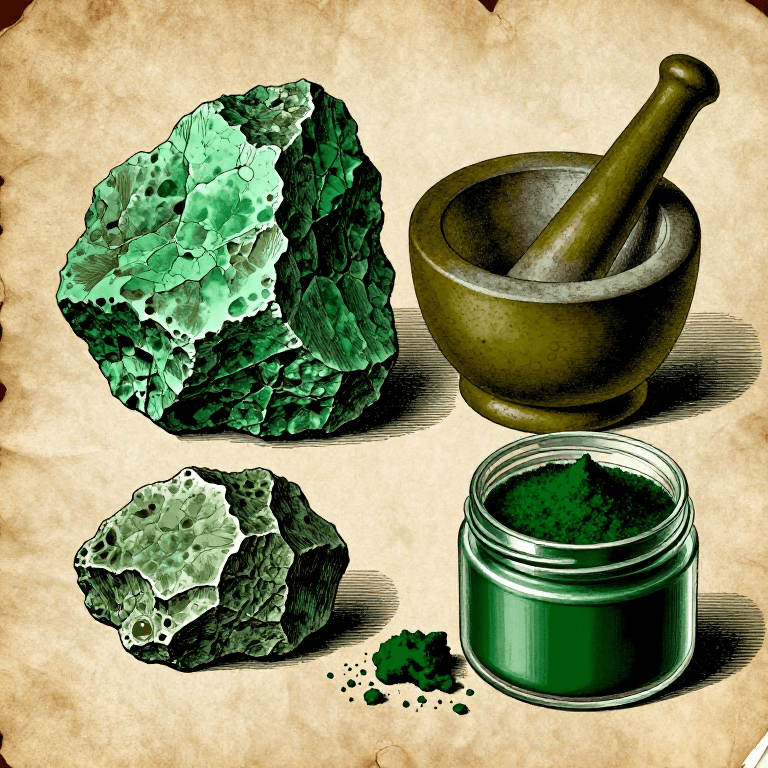
Making Green Earth Pigment (Terra Verte) — The Soft Green of Celadonite and Glauconite
ngu-Charlie
UBUCIKO
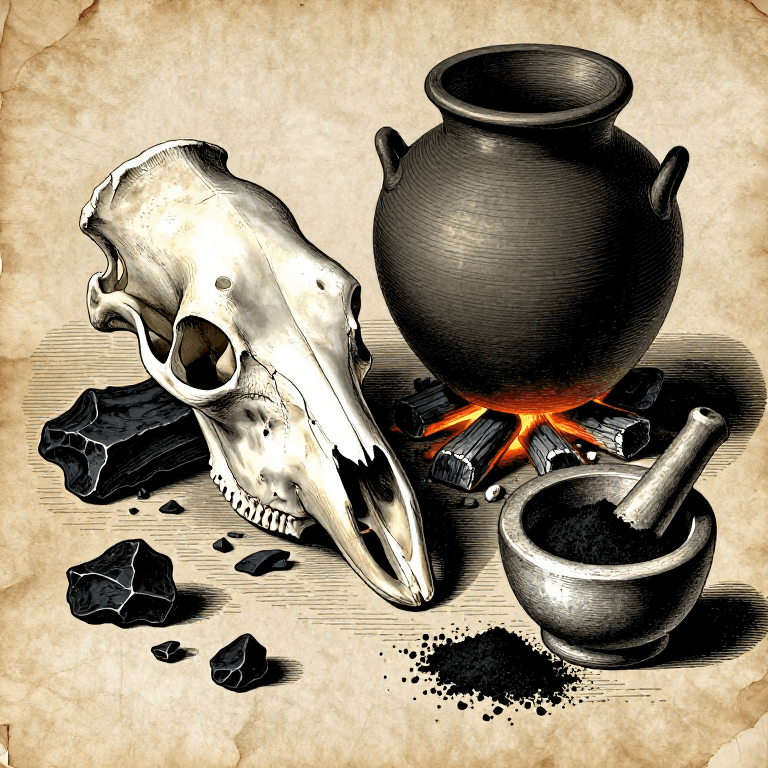
Making Bone Black Pigment — Calcining Animal Bones into the Warm Black of Old Master Painters
ngu-Charlie
UBUCIKO
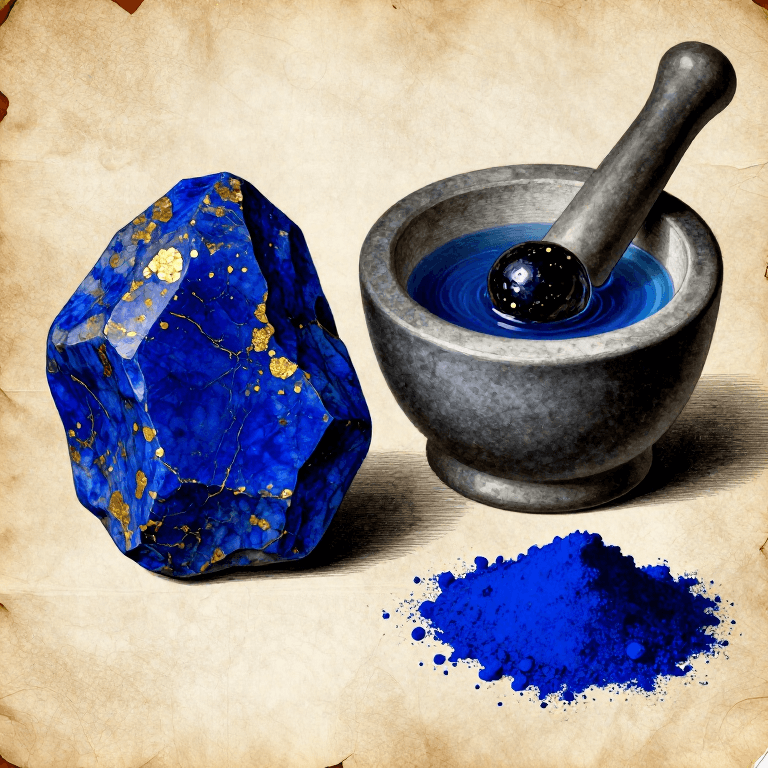
Making Ultramarine from Lapis Lazuli — Extracting the Most Precious Pigment in History
ngu-Charlie
UBUCIKO

Making Casein Paint from Milk and Lime — The Ancient Protein-Based Wall Paint
ngu-Charlie
UBUCIKO
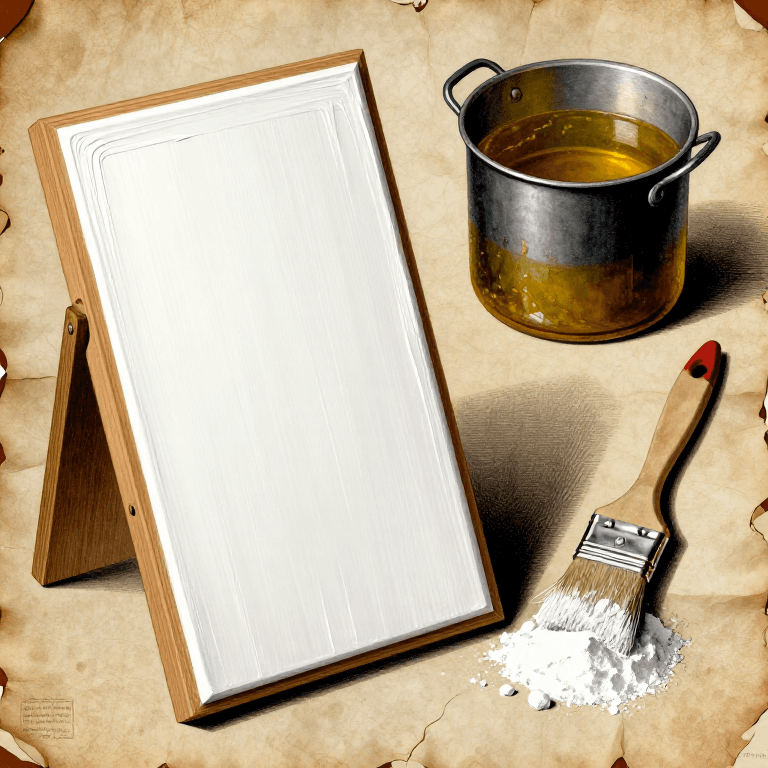
Making Traditional Gesso — The White Ground That Prepared Every Panel Painting in History
ngu-Charlie
UBUCIKO
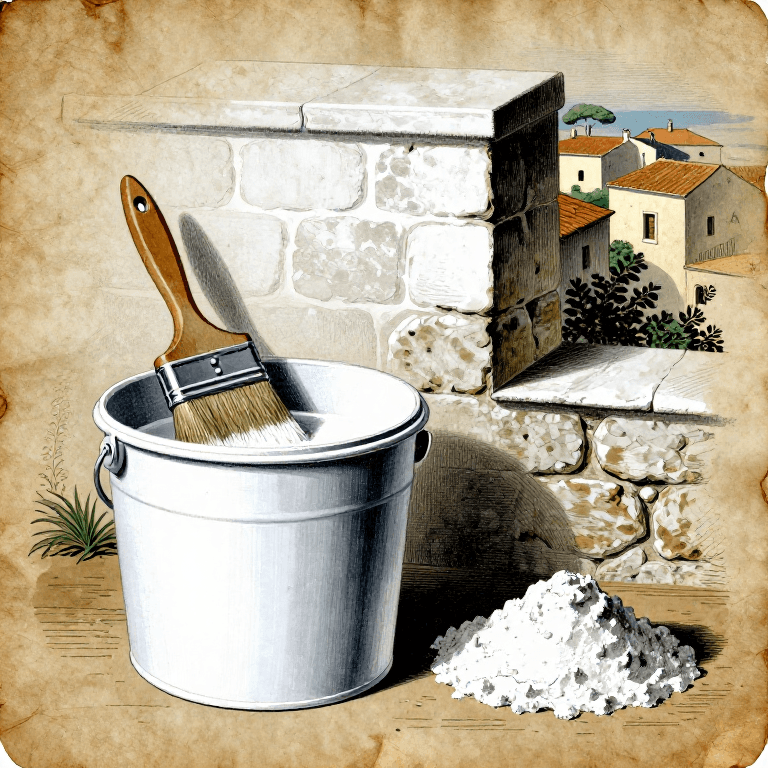
Making Lime Wash — The Oldest and Simplest Wall Paint in the World
ngu-Charlie
UBUCIKO
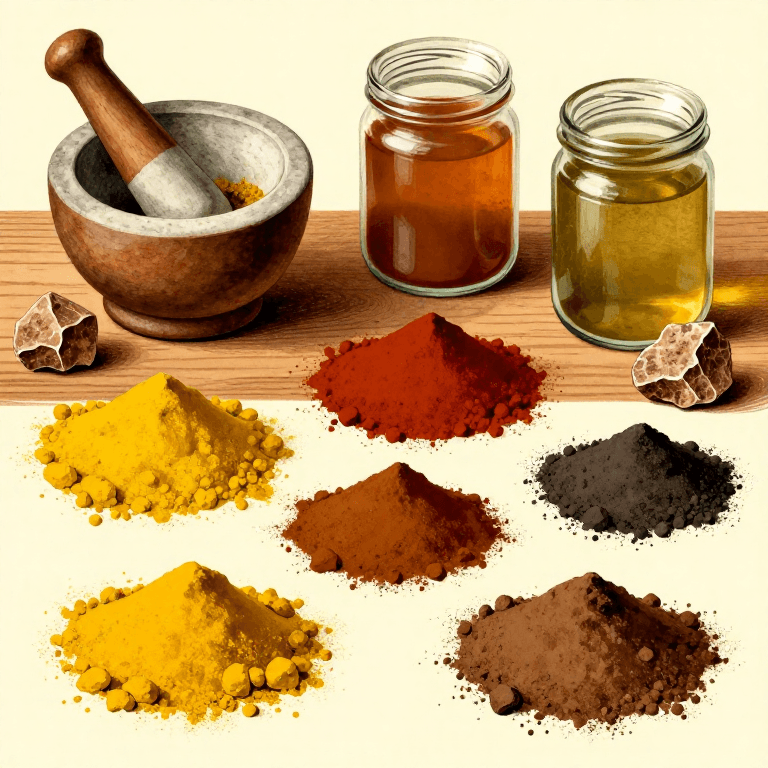
Making Natural Earth Pigments from Soil and Rocks — Collecting and Processing
ngu-Mary
UBUCIKO
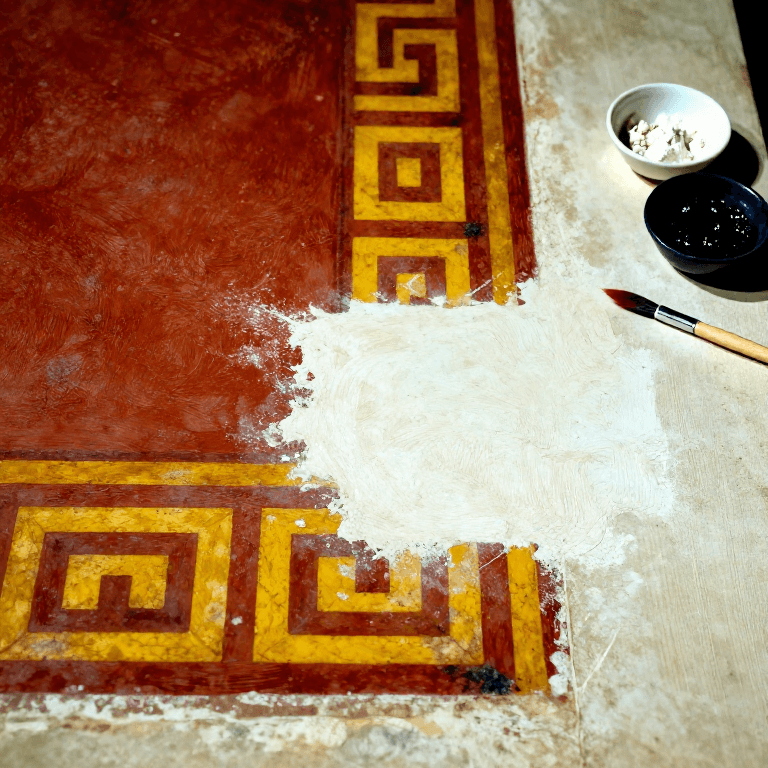
Painting a Buon Fresco on Wet Lime Plaster — Roman Wall Painting
ngu-Charlie
Ukwakha Ngamatshe
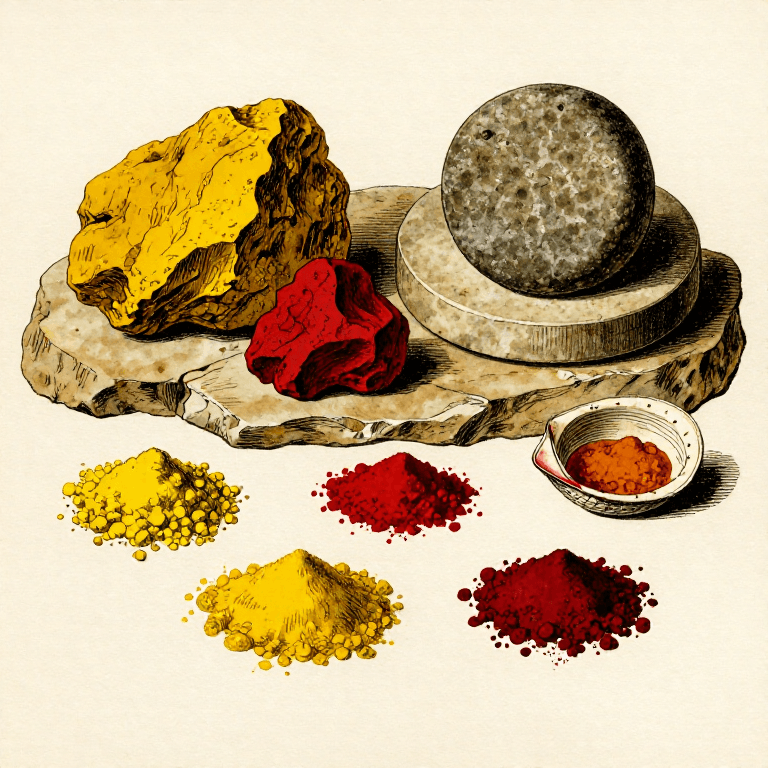
Preparing Ochre Pigment for Cave Painting — Mineral Processing
ngu-Charlie
Amakhemikhali
CC0 Isizinda Somphakathi
Le blueprint ikhishwe ngaphansi kwe-CC0. Ukhululekile ukukopisha, ukuguqula, ukusabalalisa, nokusebenzisa ngaphandle kwemvume.
Sekela uMenzi ngokuthenga imikhiqizo nge-Blueprint yabo IKhomishane Yomenzi kumiswe ngabathengisi, noma dala inguqulo entsha yale Blueprint bese uyifaka njengoxhumaniso ku-Blueprint yakho ukuze wabelane ngemali engenayo.