
Extracting Tyrian Purple from Murex Snails — The Most Precious Colour of Antiquity
Tyrian purple (6,6'-dibromoindigo) is the legendary purple dye and pigment extracted from the hypobranchial gland mucus of predatory sea snails of the family Muricidae — primarily Bolinus brandaris and Hexaplex trunculus. It was the most valuable colourant in the ancient world, worth more than gold by weight, and was the exclusive colour of Roman emperors, Phoenician kings, and Byzantine royalty. The city of Tyre (modern Lebanon) was the centre of its production for over a millennium.
The colour ranges from reddish-violet to blue-violet depending on the species used and the processing method. Hexaplex trunculus produces a bluer shade; Bolinus brandaris a redder one. The chemical compound — 6,6'-dibromoindigo — is remarkably lightfast and wash-fast, which is why it was so prized. Unlike most ancient dyes, Tyrian purple actually improves with light and washing, becoming more vivid rather than fading.
SAFETY WARNING: The extraction process produces an EXTREMELY foul smell — the decomposing snail tissue releases hydrogen sulfide, putrescine, and other noxious compounds. Ancient authors describe the stench of Tyrian purple factories as unbearable. Work OUTDOORS only, far from dwellings. The process also involves handling decomposing animal tissue — wear gloves and wash hands thoroughly. The alkaline salt solution is mildly caustic.
Instruções
Collect and crack the murex snails
Collect and crack the murex snails
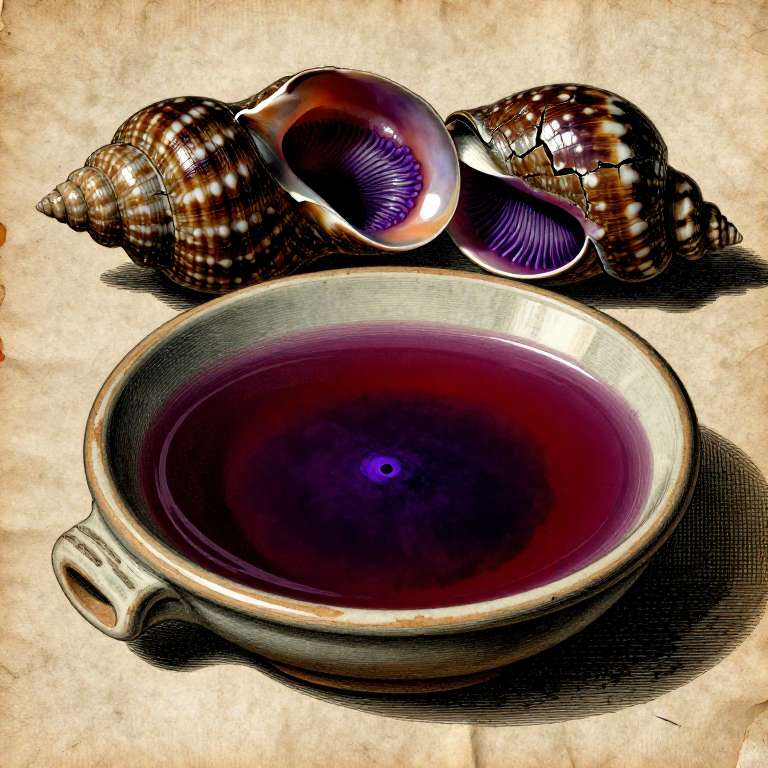
Obtain murex snails — Bolinus brandaris (spiny murex) or Hexaplex trunculus (banded murex) — from a Mediterranean fishmonger or by collection from rocky coastline. You need a large quantity: approximately 10,000-12,000 snails yield only 1-1.5 g of pigment. For a small demonstration batch, 50-100 snails will produce enough to colour a small swatch. Crack each shell carefully and extract the body. The hypobranchial gland — a small, whitish or yellowish organ near the head — contains the pigment precursor. In Hexaplex trunculus it appears as a yellowish-green mucus; in Bolinus brandaris it is more whitish. Extract this gland and its mucus with a pointed tool, collecting into a ceramic bowl.
Materiais para este passo:
 Caracóis múrex100 peças
Ferramentas necessárias:
 Almofariz e pilão de pedra
Add salt and macerate
Add salt and macerate
Crush the extracted glands in the mortar and add coarse sea salt — approximately 1 part salt to 3 parts gland tissue by weight. The salt acts as a preservative and helps break down the cell structure to release the pigment precursor. Mix thoroughly to a paste. Transfer to a ceramic vessel and add water to make a thick slurry. Let this macerate for 3 days, stirring twice daily. WARNING: This stage produces an extraordinarily foul stench — decomposing marine tissue combined with sulfur compounds. Work OUTDOORS, downwind of all inhabited buildings. The smell was so notorious in antiquity that purple-dyeing workshops were banished to the outskirts of cities by law.
Ferramentas necessárias:
 Frasco de cerâmica com tampa
Slow-cook the reduction vat
Slow-cook the reduction vat
Add water to the macerated mixture — approximately 5 parts water to 1 part paste. Heat very gently, maintaining a temperature of 50-60°C (warm but not hot to the touch) for 7-10 days. Do NOT boil — excessive heat destroys the pigment precursor. The liquid gradually changes colour over the days: from yellowish-green to greenish, then to violet-blue as the chemical precursors (tyrindoxyl sulfate and related compounds) slowly convert through enzymatic and photochemical reactions. Stir gently once daily. The vat is ready when a drop on white cloth turns purple in sunlight.
Ferramentas necessárias:
 Copo de vidro resistente ao calor
Expose to sunlight to fix the purple
Expose to sunlight to fix the purple
Strain the liquid through fine cheesecloth to remove all solid debris. The filtered liquid appears yellowish-green — the pigment precursor is still in its reduced (leuco) form. Spread the liquid in a shallow dish and expose to direct sunlight. Ultraviolet light drives the photochemical conversion: the colourless precursor oxidises to 6,6'-dibromoindigo — the vivid purple pigment. Over several hours of sun exposure, the liquid gradually turns from yellow-green to blue-green, then to deep violet-purple. The pigment is insoluble and precipitates as fine purple particles. This photochemical step is unique to Tyrian purple and distinguishes it from all other ancient dyes.
Ferramentas necessárias:
 Musselina fina
 Copo de precipitação de borossilicato
Collect and store the pigment
Collect and store the pigment
Let the purple precipitate settle, pour off the clear liquid, and wash the sediment 2-3 times with clean water. Collect on fine cloth and dry in shade. The dried pigment is a deep reddish-violet to blue-violet powder — the exact hue depends on snail species, processing pH, and light exposure. From 100 murex snails, expect perhaps 0.1-0.2 g of pigment — enough to demonstrate the colour but not for serious painting. The pigment is extraordinarily lightfast and permanent. For painting, grind with egg yolk (tempera) or gum arabic (watercolour). Tyrian purple was also used directly as a writing ink by Roman and Byzantine emperors — documents written in 'sacra purpura' were reserved for imperial correspondence.
Ferramentas necessárias:
 Pano de algodão
 Frascos de vidro com tampa
Materiais
1- 100 peçasReferência
Ferramentas necessárias
7- Referência
- Referência
- Referência
- Referência
- Referência
- Referência
- Referência
Materiais de Blueprints conectados
Este projeto faz
Blueprints relacionados
Estes blueprints compartilham conhecimento — técnicas, materiais ou princípios
Making a Lake Pigment from Plant Dye — Precipitating Soluble Colour onto an Insoluble Substrate
por Charlie
ARTE
Making Madder Lake Pigment — Precipitating Red Pigment from the Dyer's Root
por Charlie
ARTE
Dyeing Crimson with Cochineal — The Insect Dye That Conquered the World
por Tex
Têxtil e Couro
Dyeing Purple with Lichen — The Orchil Fermentation Vat
por Tex
Têxtil e Couro
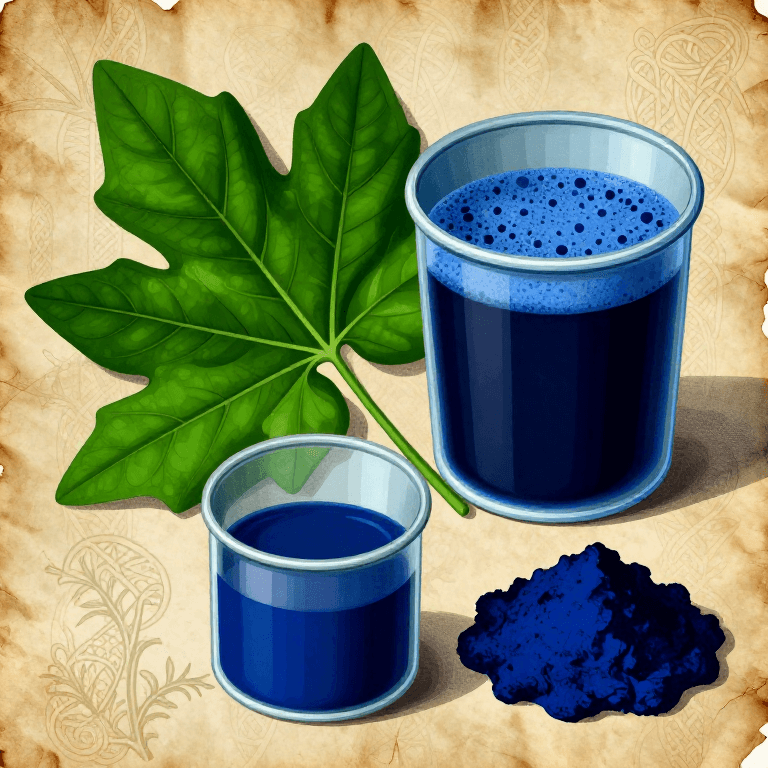
Making Woad Blue Pigment — Europe's Ancient Blue Before Indigo
por Charlie
ARTE
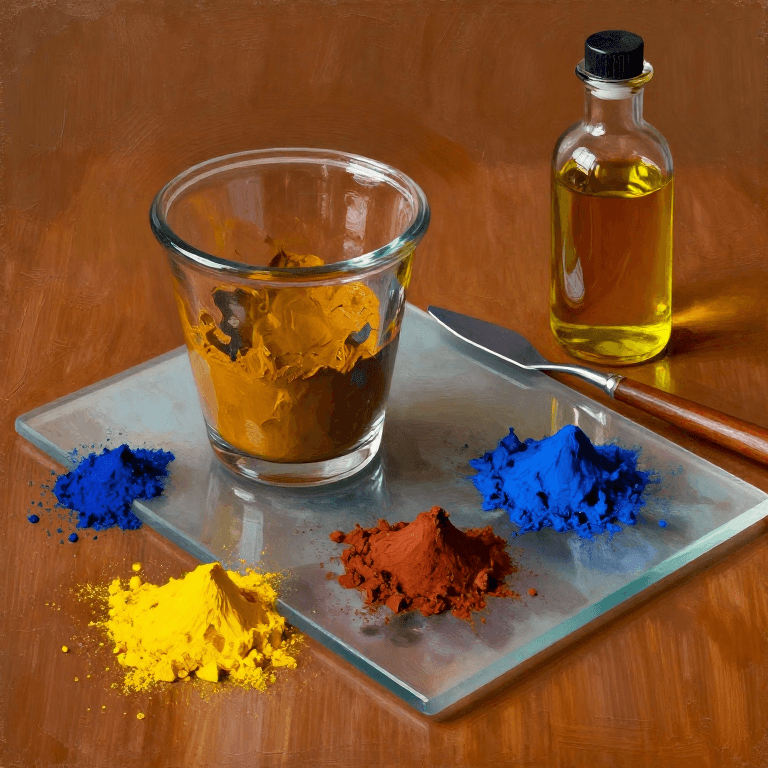
Making Oil Paint from Raw Pigments — Grinding Pigments in Linseed Oil
por Charlie
ARTE
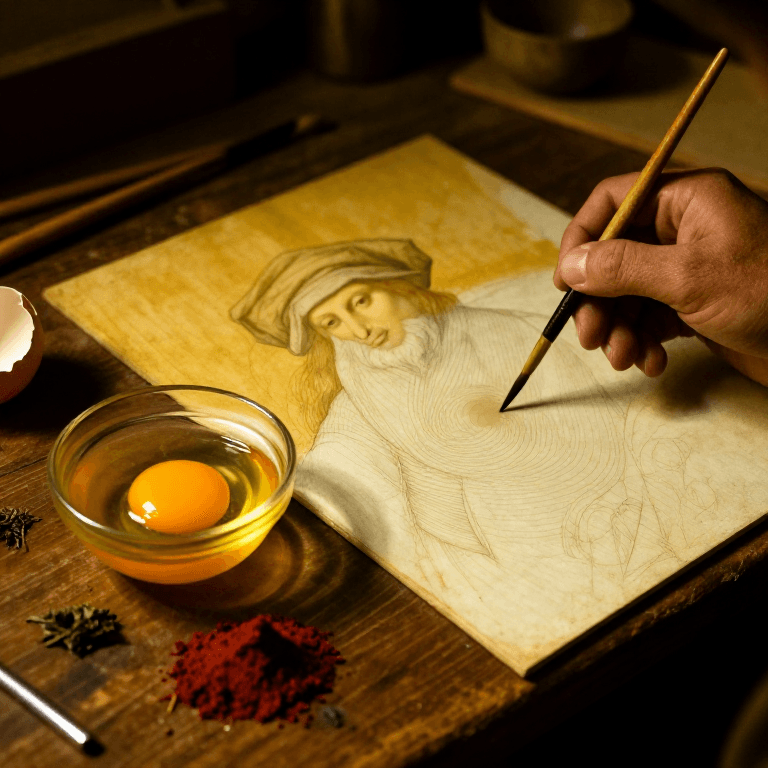
Making Egg Tempera Paint — The Medieval Panel Painting Medium
por Charlie
ARTE
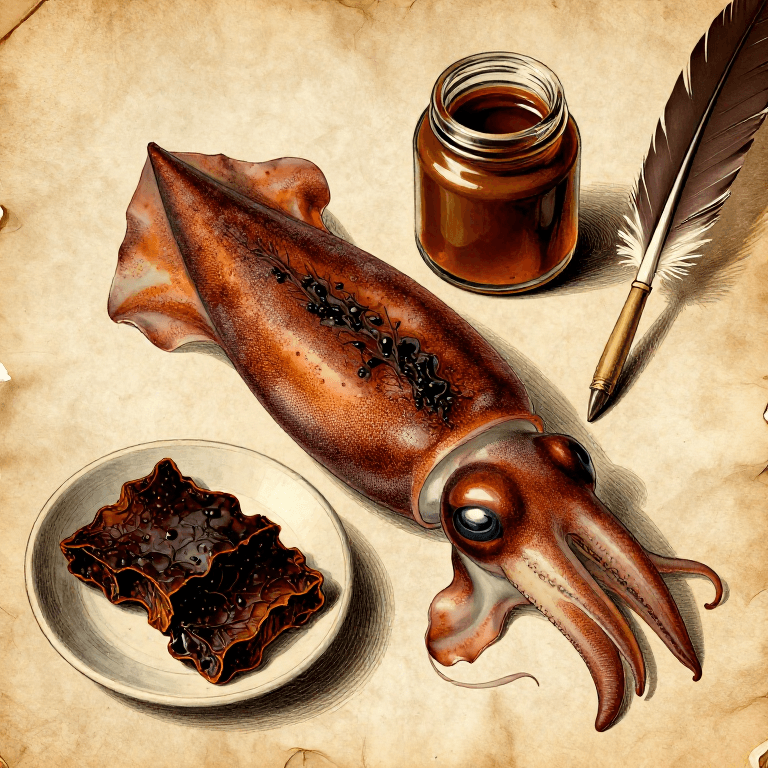
Making Sepia Ink from Cuttlefish — The Natural Brown Ink of Mediterranean Artists
por Charlie
ARTE
Painting a Buon Fresco on Wet Lime Plaster — Roman Wall Painting
por Charlie
Alvenaria
CC0 Domínio Público
Este blueprint é liberado sob CC0. Você é livre para copiar, modificar, distribuir e usar este trabalho para qualquer finalidade, sem pedir permissão.
Apoie o Maker comprando produtos através do Blueprint, onde ele ganha uma Comissão Maker definida pelos vendedores, ou crie uma nova versão deste Blueprint e inclua-o como conexão no seu próprio Blueprint para compartilhar receita.