
艺术
美容与健康
工艺
文化与历史
娱乐
环境
食品与饮料
绿色未来
逆向工程
科学
体育
技术
可穿戴设备
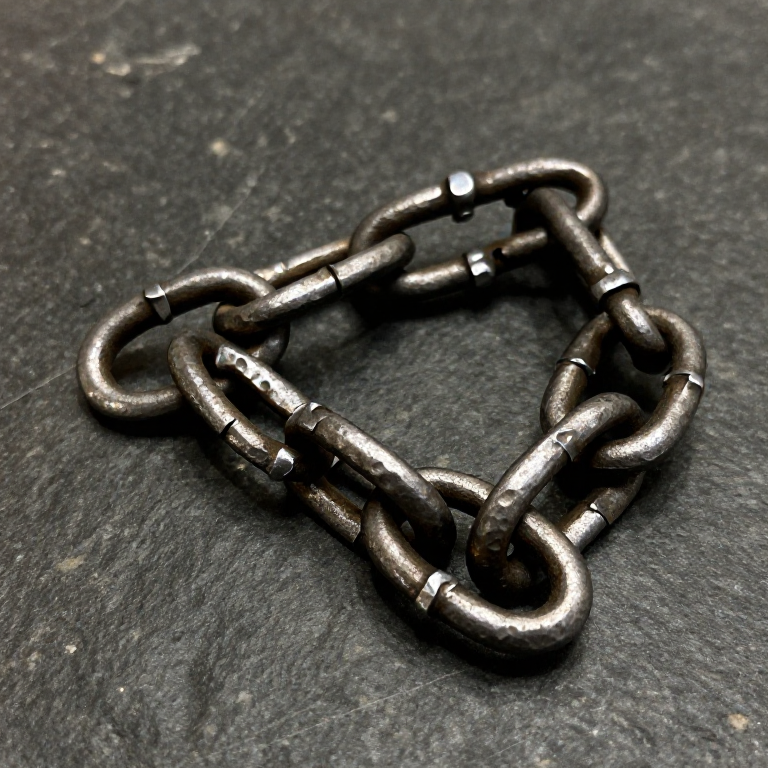
Forging an Iron Chain — Bending, Welding, and Linking
Forge

创建者

Forge

26. 五月 2026NO
13
0
0
0
0

Forging an Iron Chain — Bending, Welding, and Linking

The iron chain is the strongest flexible connection in pre-industrial technology. Chains anchor ships, lift drawbridges, suspend cauldrons over fires, secure doors, and hang signs. Each link is an individual forge weld — the chain is only as strong as its weakest weld, so chain-making demands consistent technique across dozens or hundreds of identical operations.

A chain is made by bending short lengths of iron rod into open ovals, threading each new link through the previous one before closing it, and forge welding the joint shut. The rhythm is repetitive: bend, thread, heat, weld, move on. A skilled chain-maker works in a continuous cycle, keeping several links at different stages in the fire at once.

Chain-making is the ultimate test of forge welding skill. Each weld is small and must be completed quickly before the thin rod cools. There is no room to reheat and retry without risking damage to the adjacent links. It teaches economy of movement and precise heat control.

高级
3-4 hours (for a 1-metre chain of about 20 links)

说明

1

Cut the link blanks

Start with wrought iron rod about 8-10 mm in diameter. For a general-purpose chain, cut lengths of about 15-18 cm each — this produces oval links about 6 cm long and 3 cm wide when bent. Cut at least 20-25 blanks for a one-metre chain. All blanks must be the same length for uniform links. Use a hot chisel on the anvil edge to cut the heated rod cleanly.

此步骤所需材料:

CharcoalCharcoal5 公斤

所需工具:

Forge Hammer (Cross-Peen)Forge Hammer (Cross-Peen)
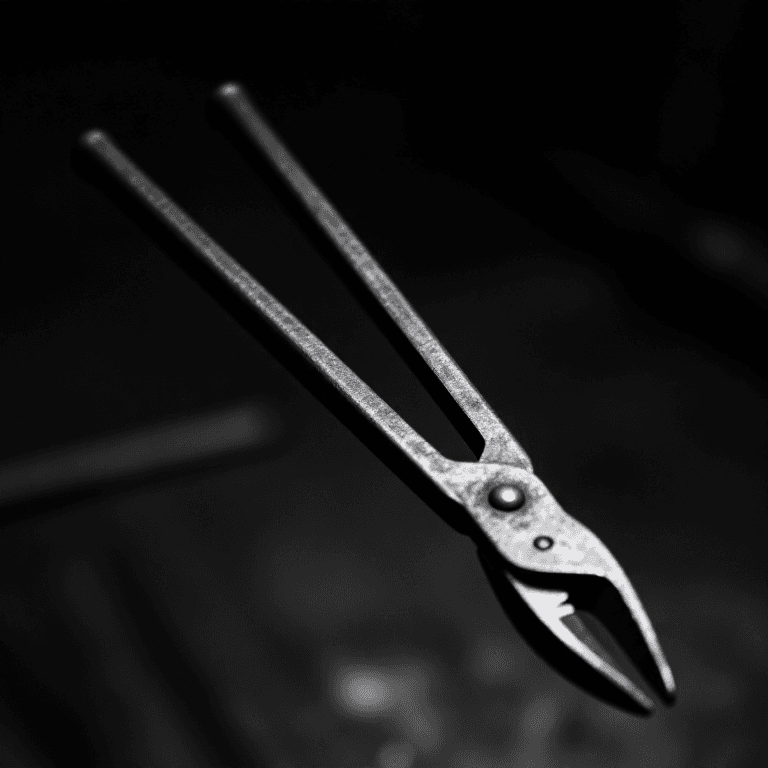
Forge TongsForge Tongs
Hearth (Forge Fire)Hearth (Forge Fire)
2

Scarf both ends of each blank

Each blank needs scarfed ends that will overlap and forge weld to close the link. Heat one end of a blank and hammer a taper on two opposing faces — creating a chisel-like wedge about 1.5 cm long. Repeat on the other end, with the taper facing the opposite direction. When the blank is bent into an oval, the two scarves should overlap face-to-face like clasped hands.
3

Bend the first link into an oval

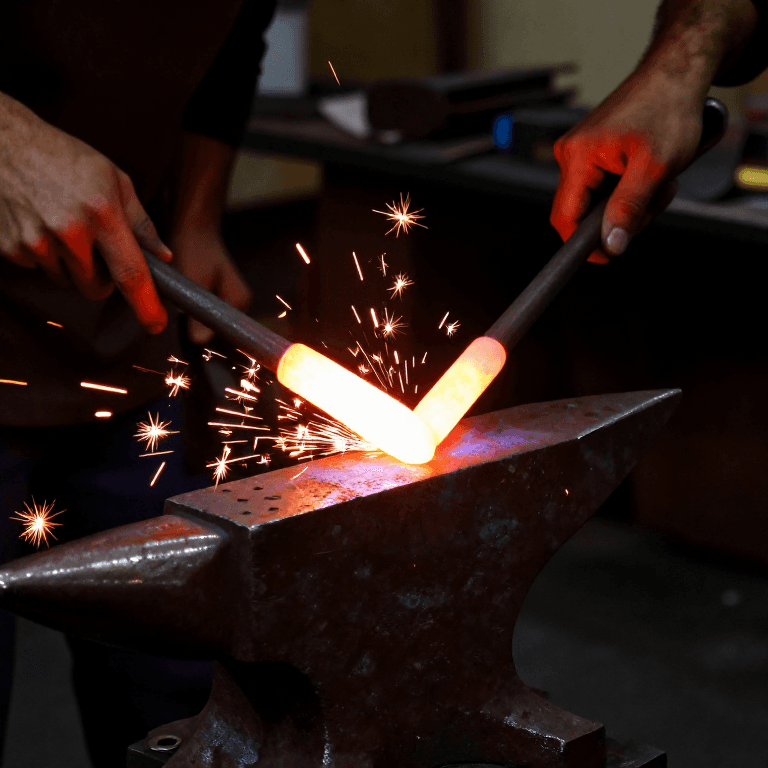
Heat the centre of a scarfed blank to bright orange. Bend it around the horn of the anvil (or a round mandrel) into a U shape, then bring the two ends together to form an open oval. The scarfed ends should overlap by about 1.5-2 cm. This first link is made alone — subsequent links will be threaded through the previous one before bending.
4

Flux and forge weld the joint

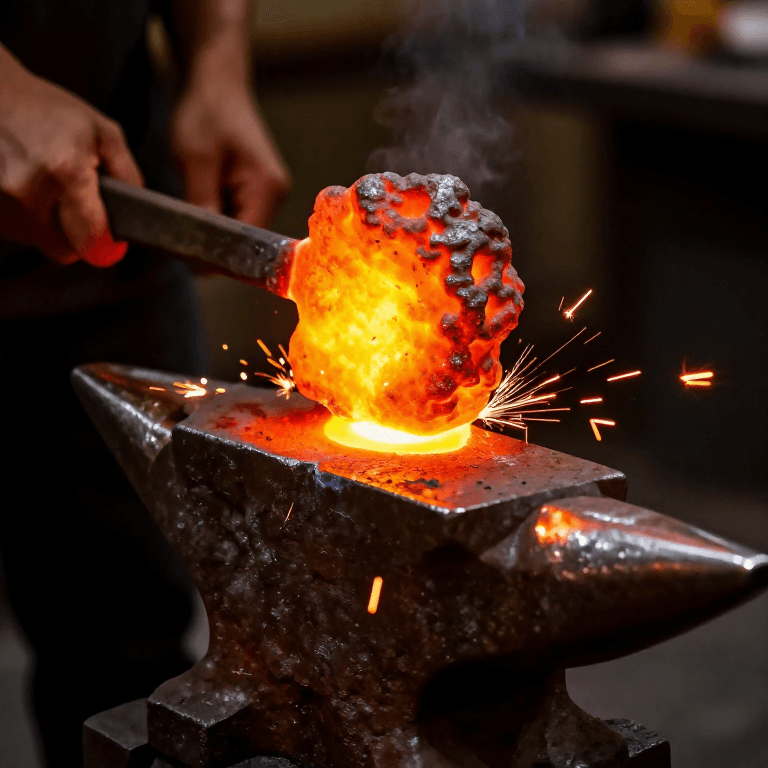
Place the open link in the fire with the overlapping scarf joint buried in charcoal. Heat to bright yellow-white — welding temperature. When sparks begin to fly, sprinkle a pinch of sand or borax on the joint as flux. Return to the fire for a few seconds more, then pull out and immediately strike the joint with a quick, firm hammer blow on the anvil. The scarf faces fuse into a solid weld. Follow with two or three light blows to blend the joint smooth.
5

Shape the welded link

After welding, the link will be slightly distorted from the hammer blows. Reheat to orange and shape it back into a clean oval using the anvil horn. The weld area should be barely visible — a good chain link looks continuous with no obvious joint. Check that the link is flat (not twisted) by laying it on the anvil face.
6

Thread and weld subsequent links

For each new link: thread a scarfed blank through the last completed link before bending it closed. Then bend, flux, and weld exactly as before. The critical challenge is welding the new link without damaging the adjacent link — keep the previous link away from the fire by draping the chain over the edge of the forge. Only the joint area of the new link should reach welding heat.
7

Test the chain

After completing all links, test the chain by hanging a heavy weight from one end — at least twice the intended working load. Examine each link under tension for any that show a crack or opening at the weld line. A failed weld opens under tension like a mouth — this link must be cut out and replaced. A sound chain stretches slightly under load as the links seat against each other, then holds firm.

材料

1

所需工具

3

已连接蓝图材料

CC0 公共领域

此蓝图以 CC0 协议发布。你可以自由复制、修改、分发和使用此作品,无需征得许可。

通过购买蓝图中的产品支持创客,他们将获得 创客佣金 (由供应商设定),或创建此蓝图的新版本并将其作为连接包含在你自己的蓝图中以分享收入。

讨论

(0)

登录 加入讨论

加载评论中...