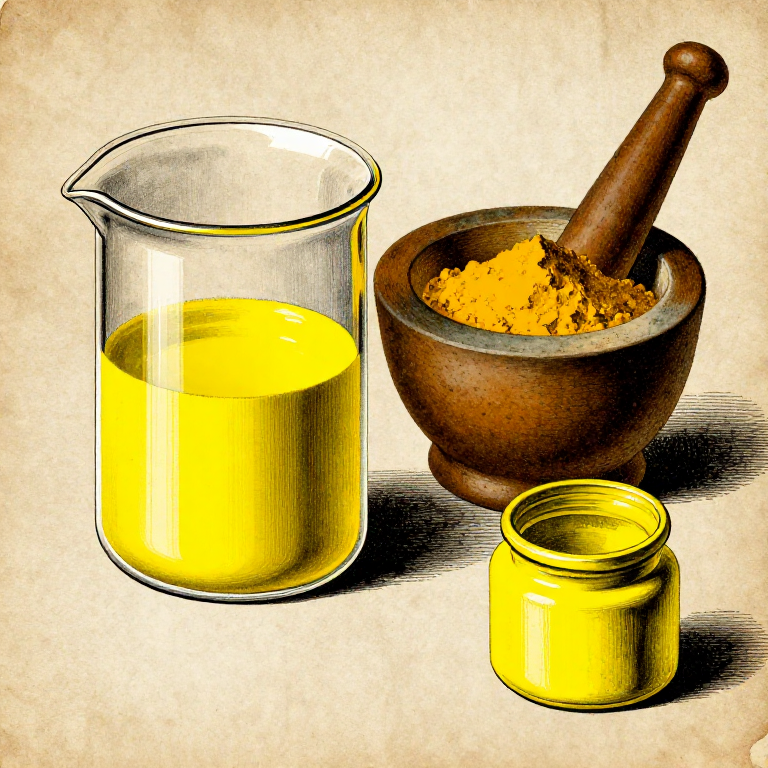

Making Cadmium Yellow Pigment — The Permanent Bright Yellow That Replaced Chrome
Cadmium yellow (cadmium sulfide, CdS) is a dense, opaque, brilliantly warm yellow pigment first identified by the German chemist Friedrich Stromeyer in 1817, though it did not become commercially available until the 1840s when sufficient cadmium metal became available as a byproduct of zinc smelting. It quickly became the most important bright yellow in the painter's palette — replacing chrome yellow (which darkened) and orpiment (which was toxic to other pigments).
The pigment is made by precipitating cadmium sulfide from a solution of a cadmium salt (typically cadmium sulfate or cadmium chloride) using hydrogen sulfide or sodium sulfide. The colour ranges from pale lemon yellow to deep orange depending on crystal size, which is controlled by precipitation conditions — temperature, concentration, and rate of addition. Lower temperatures produce smaller crystals (paler yellow); higher temperatures produce larger crystals (deeper yellow to orange).
SAFETY WARNING: Cadmium compounds are TOXIC — cadmium is a cumulative poison and known human carcinogen (Group 1, IARC). Chronic exposure causes kidney damage, bone demineralisation, and lung cancer. Sodium sulfide is corrosive and releases hydrogen sulfide gas (toxic, smells of rotten eggs). FULL PPE mandatory: chemical-resistant gloves, goggles, respirator. Work in a fume hood or outdoors. All cadmium waste must be disposed of as hazardous chemical waste.
이 블루프린트로 만드는 것

관련 블루프린트
이 블루프린트들은 지식을 공유합니다 — 기술, 재료 또는 원리
Making Orpiment Yellow Pigment — Grinding the Golden Arsenic Mineral of the Ancient World
Charlie 작성
예술
Making Yellow Ochre Pigment — Grinding and Levigating Goethite into the Oldest Painter's Yellow
Charlie 작성
예술
Making Oil Paint from Raw Pigments — Grinding Pigments in Linseed Oil
Charlie 작성
예술
Making Watercolour Paint from Raw Pigments — Gum Arabic Binder
Charlie 작성
예술
Making Egg Tempera Paint — The Medieval Panel Painting Medium
Charlie 작성
예술

Making Acrylic Paint — Grinding Pigments into Acrylic Polymer Medium
Charlie 작성
예술
Making Lead White (Flake White) — The Dutch Stack Process for the Most Important Pigment in Oil Painting History
Charlie 작성
예술
Synthesising Vermillion from Mercury and Sulfur — The King of Red Pigments
Charlie 작성
예술
CC0 퍼블릭 도메인
이 블루프린트는 CC0로 공개되었습니다. 어떤 목적으로든 자유롭게 복사, 수정, 배포 및 사용할 수 있습니다.
제품 구매를 통해 메이커를 지원하세요. 판매자가 설정한 메이커 커미션 을 받거나, 이 블루프린트의 새로운 반복을 만들어 연결로 포함시킬 수 있습니다.