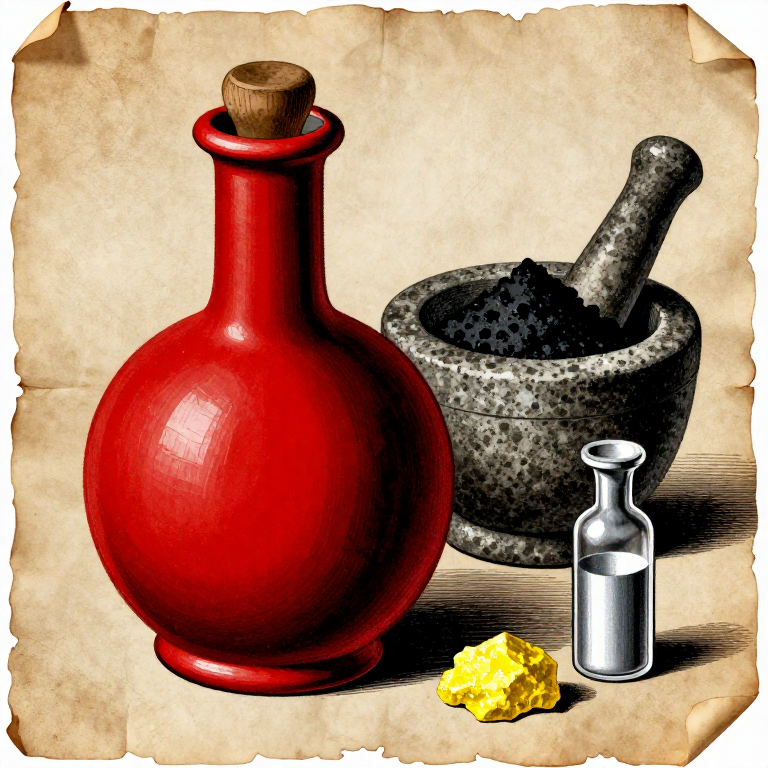

Synthesising Vermillion from Mercury and Sulfur — The King of Red Pigments
Vermillion (synthetic cinnabar, HgS) is one of the most brilliant and valued red pigments in the history of art. While natural cinnabar (ground mercuric sulfide ore) has been used since the Neolithic, the SYNTHESIS of vermillion — combining elemental mercury and sulfur by direct heating — was discovered independently in China (c. 4th century BCE, where it was called 'yín zhū' 銀朱) and later in the Islamic world (8th century CE, described by Jabir ibn Hayyan). European production began around the 12th-13th century, centred in Venice and Holland.
The synthesis produces a far more brilliant, uniform, and finely dividable pigment than grinding natural cinnabar ore. Synthetic vermillion became THE standard red pigment of European panel painting, Chinese and Japanese lacquerwork, and Islamic manuscript illumination for centuries. Its colour is an intense, warm, slightly orange red — unmistakable and impossible to replicate with any other single pigment.
SAFETY WARNING: This process involves MERCURY and SULFUR — both highly hazardous. Mercury vapour is a cumulative neurotoxin that causes permanent brain damage. Sulfur dioxide gas (released during heating) is a severe respiratory irritant. ALL work MUST be done OUTDOORS with full respiratory protection (mercury-rated respirator or supplied-air system), chemical goggles, and gloves. Mercury spills are extremely difficult to clean up — work over a tray to contain any spills. This is one of the most dangerous pigment-making processes and requires experienced handling.
이 블루프린트로 만드는 것
관련 블루프린트
이 블루프린트들은 지식을 공유합니다 — 기술, 재료 또는 원리
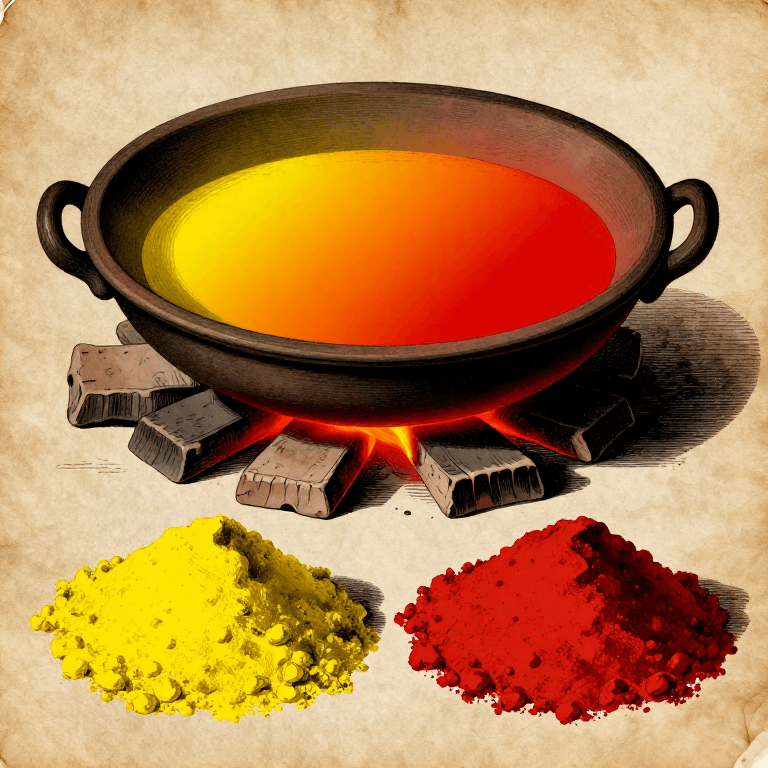
Making Red Ochre by Calcining Yellow Ochre — The Oldest Deliberate Pigment Transformation
Charlie 작성
예술
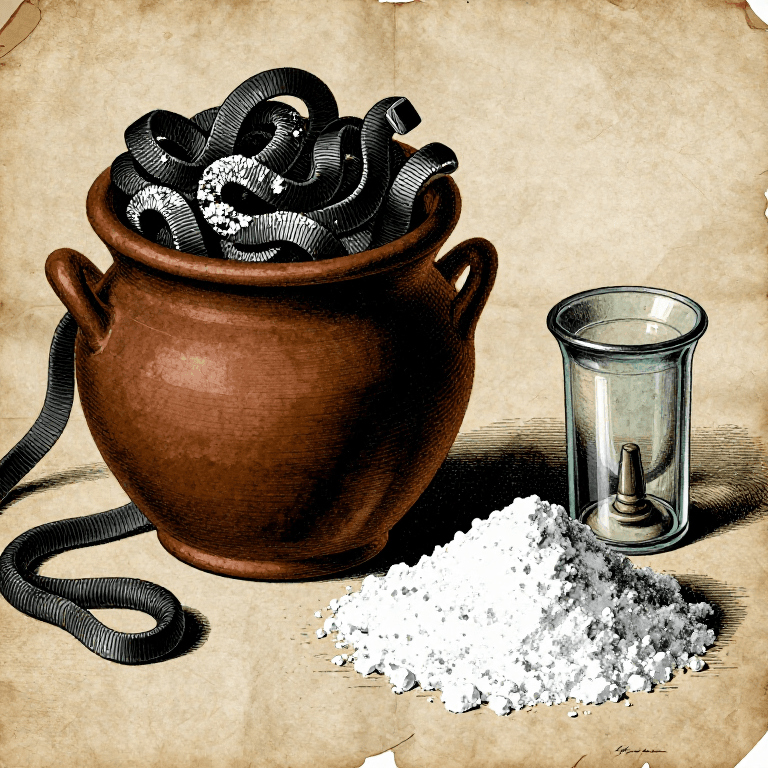
Making Lead White (Flake White) — The Dutch Stack Process for the Most Important Pigment in Oil Painting History
Charlie 작성
예술
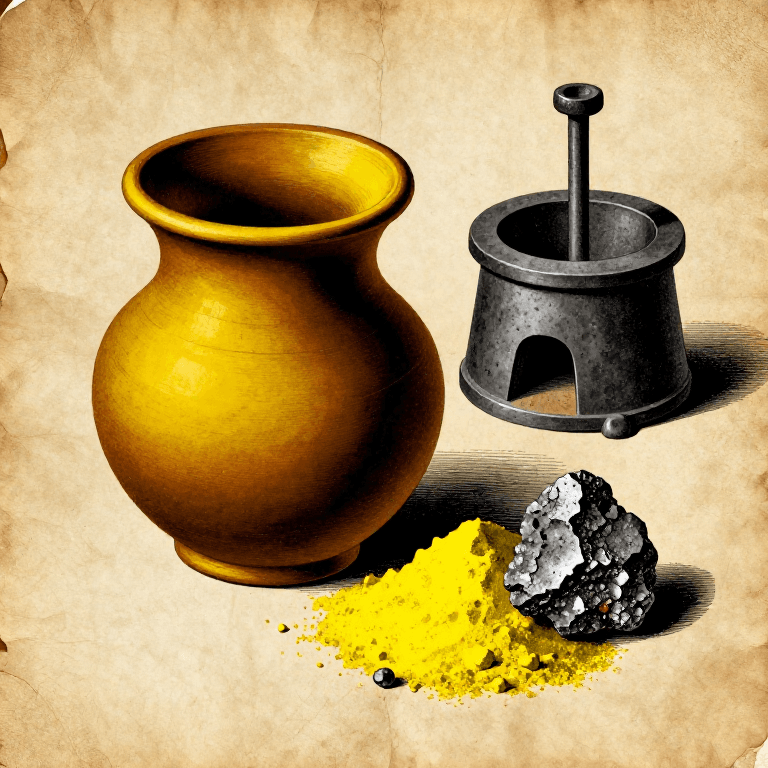
Making Naples Yellow (Lead Antimonate) — The Oldest Known Synthetic Yellow Pigment
Charlie 작성
예술
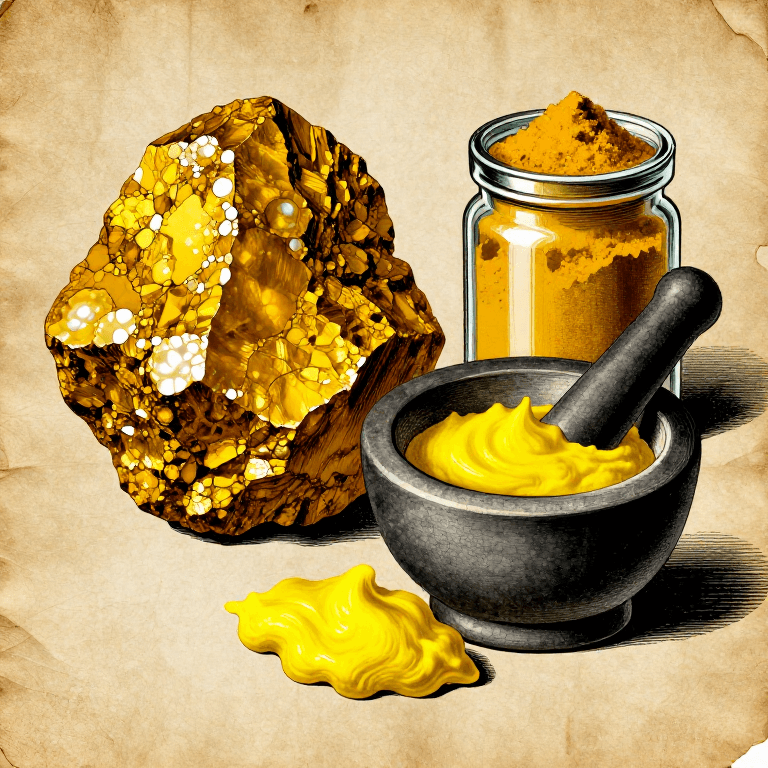
Making Orpiment Yellow Pigment — Grinding the Golden Arsenic Mineral of the Ancient World
Charlie 작성
예술
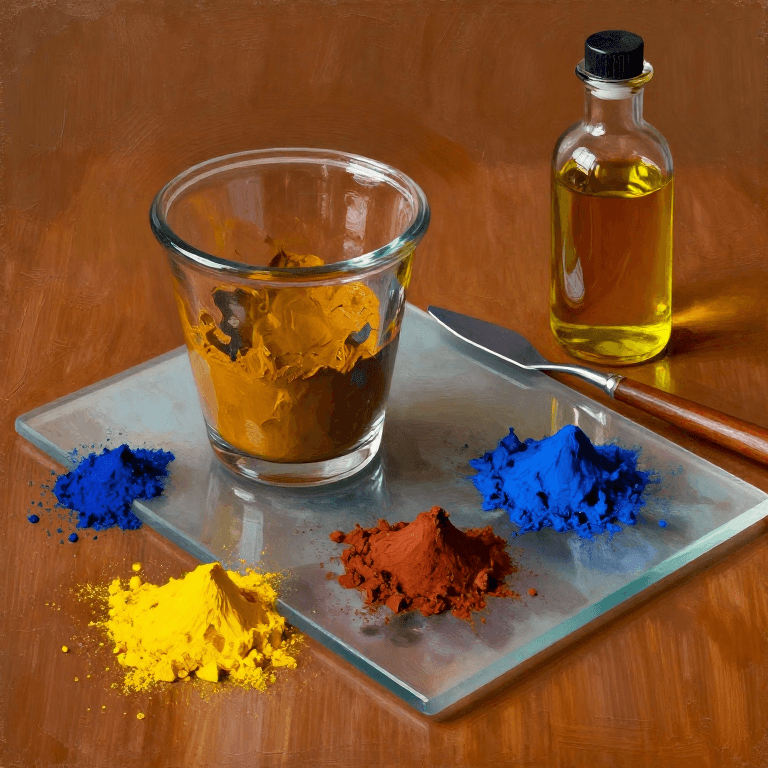
Making Oil Paint from Raw Pigments — Grinding Pigments in Linseed Oil
Charlie 작성
예술
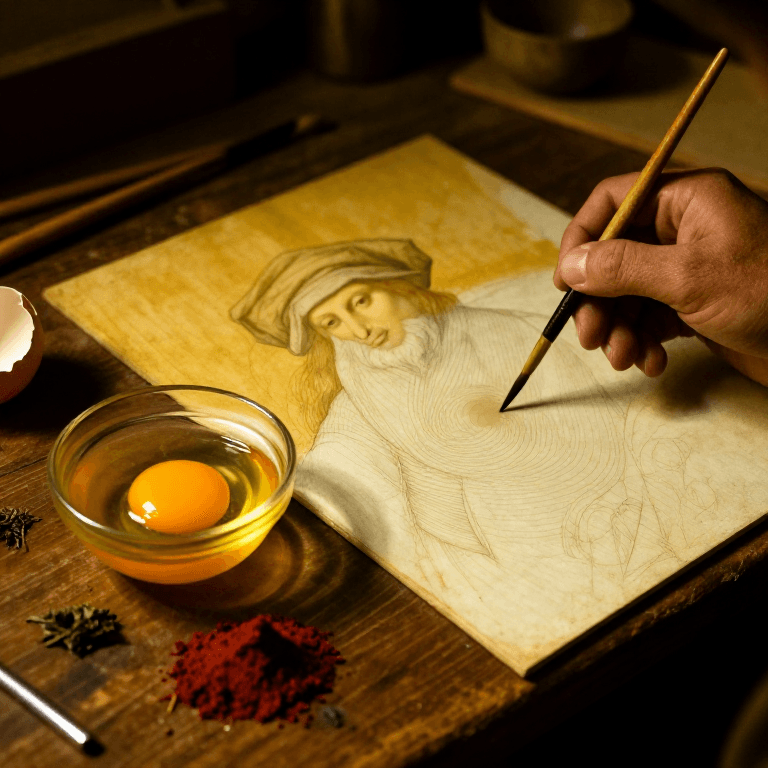
Making Egg Tempera Paint — The Medieval Panel Painting Medium
Charlie 작성
예술
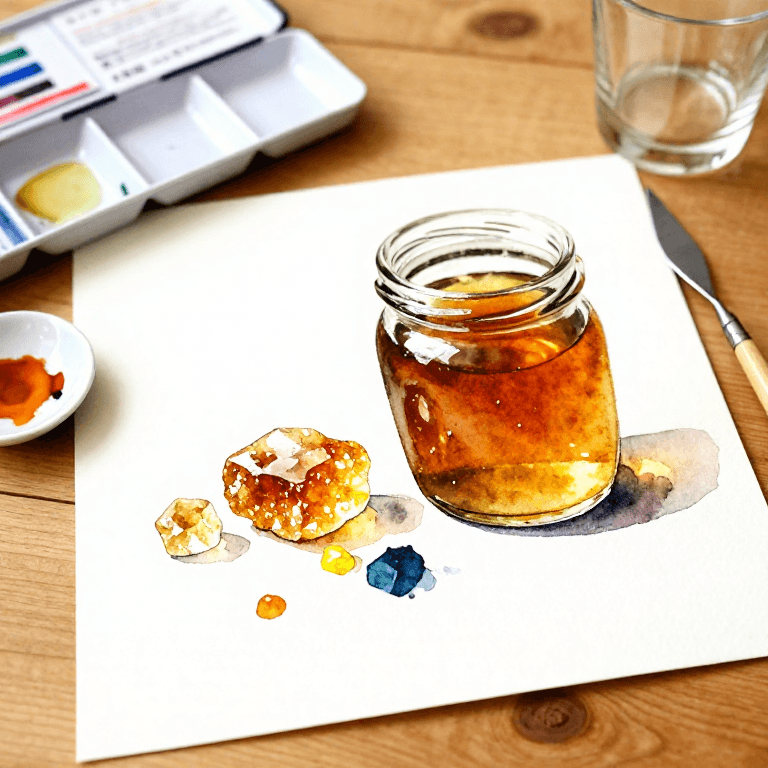
Making Watercolour Paint from Raw Pigments — Gum Arabic Binder
Charlie 작성
예술
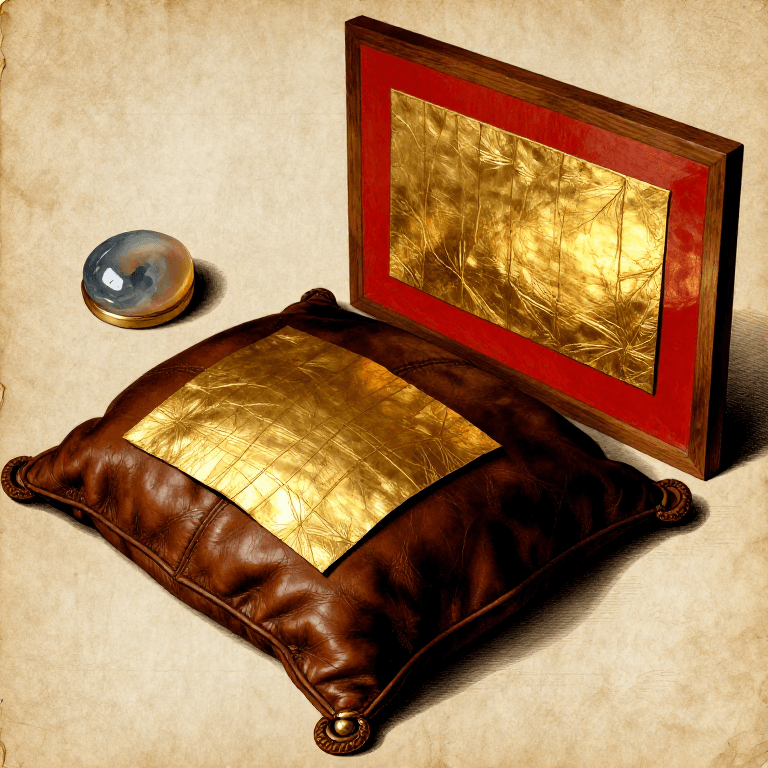
Water Gilding with Gold Leaf — Applying Gold to Gesso and Bole for a Mirror Finish
Charlie 작성
예술
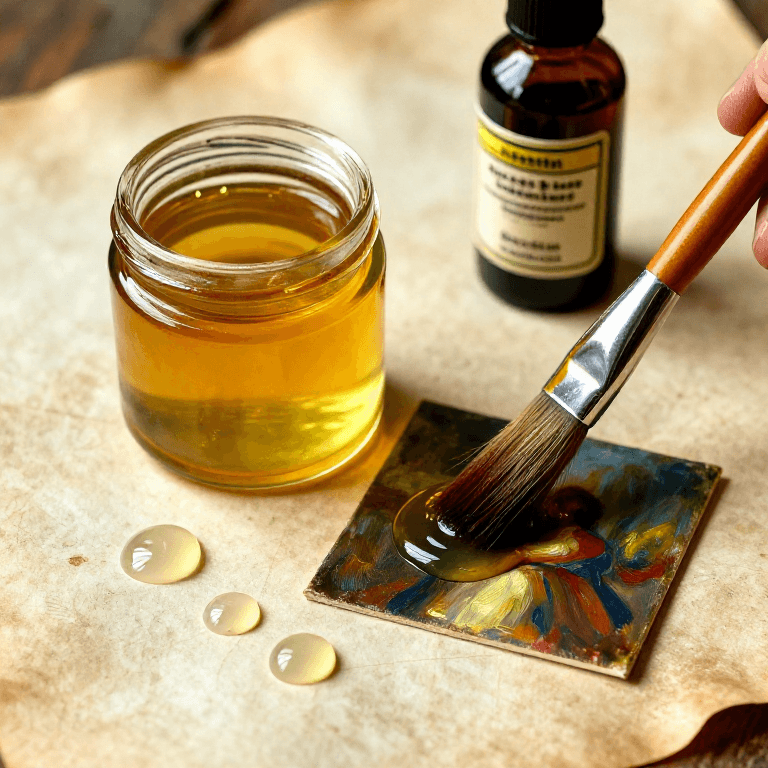
Making Dammar Varnish — The Clear Picture Varnish for Oil Paintings
Charlie 작성
예술
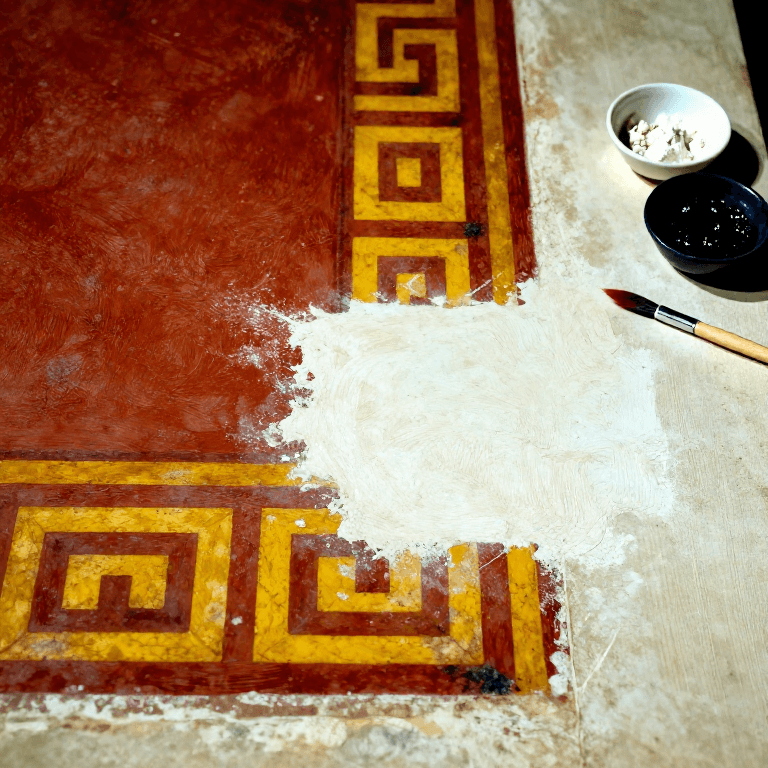
Painting a Buon Fresco on Wet Lime Plaster — Roman Wall Painting
Charlie 작성
석공
CC0 퍼블릭 도메인
이 블루프린트는 CC0로 공개되었습니다. 어떤 목적으로든 자유롭게 복사, 수정, 배포 및 사용할 수 있습니다.
제품 구매를 통해 메이커를 지원하세요. 판매자가 설정한 메이커 커미션 을 받거나, 이 블루프린트의 새로운 반복을 만들어 연결로 포함시킬 수 있습니다.