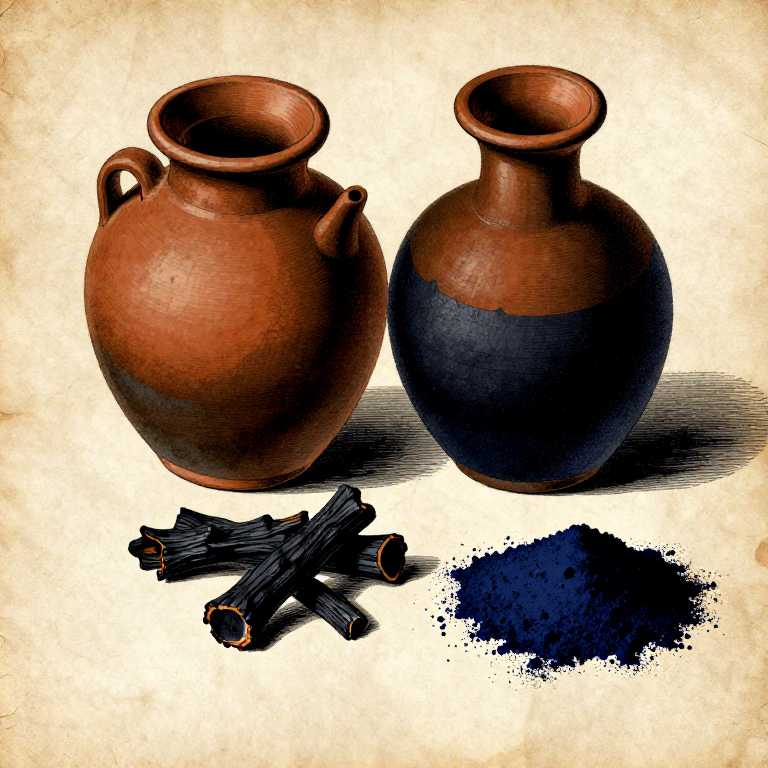

Making Vine Black Pigment — Charring Grape Vines into the Cool Blue-Black of Classical Painters
Vine black (Latin: atramentum, French: noir de vigne, German: Rebenschwarz) is a soft, cool-toned black pigment made by charring dried grape vine cuttings in a sealed vessel. It is one of the oldest and most refined vegetable carbon black pigments, distinct from bone black (which contains calcium phosphate) and lampblack (which is collected soot). Vine black is nearly pure amorphous carbon, giving it a characteristic cool, slightly blue-black undertone that painters have valued since antiquity.
Pliny the Elder describes vine black production in his Natural History (1st century CE), and Cennino Cennini details its preparation in Il Libro dell'Arte (c. 1400). The pigment was a standard item on the European painter's palette throughout the medieval and Renaissance periods. Its cool undertone makes it the preferred black for mixing cool greys, blue-greys, and for optical colour mixing where a warm black (like bone black) would shift the hue undesirably. Vine black mixed with white produces the coolest, most neutral greys of any traditional black pigment.
The process is identical in principle to charcoal making: dried organic material is heated in the absence of oxygen (pyrolysis), converting the wood, cellulose, and lignin into nearly pure carbon. Grape vine produces a particularly fine, soft carbon because of the vine's porous cellular structure — the resulting char is lightweight, easily ground, and produces a smooth, homogeneous pigment powder. Any other thin, woody plant stems (willow twigs, peach stones, cherry pits) can be charred by the same method, but grape vine remains the classic and preferred source for painter's black.
Arahan
Gather and dry grape vine cuttings
Gather and dry grape vine cuttings
Collect grape vine prunings — the annual cuttings removed during winter dormancy. Select pieces 1-2 cm diameter and cut into lengths of 10-15 cm. Fresh vine cuttings contain significant moisture and must be dried thoroughly before charring — stack loosely in a dry, ventilated area for 2-4 weeks until the wood snaps cleanly rather than bending. Alternatively, use well-seasoned cuttings from the previous year's pruning. You need approximately 500 g of dried vine to produce 60-80 g of finished pigment (the weight loss during charring is 80-85%).
Bahan untuk langkah ini:
 Keratan sulur anggur (kering)500 g
Pack tightly into a sealed vessel
Pack tightly into a sealed vessel
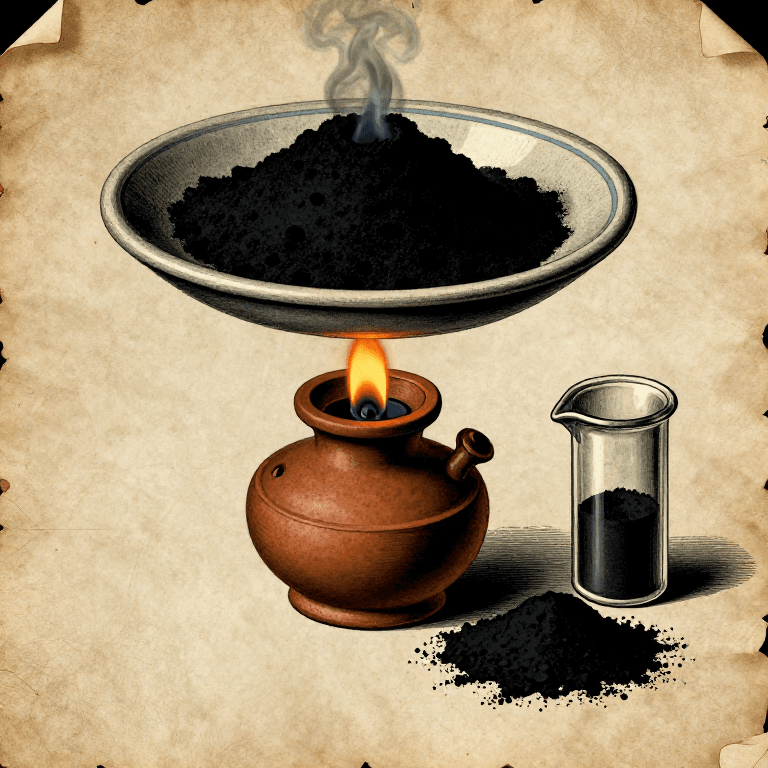
Pack the dried vine cuttings tightly into a refractory clay crucible or heavy ceramic pot — the tighter the packing, the less air is trapped inside, and the more even the charring. Seal the lid with a clay-and-water paste, pressing it firmly into all gaps to create an airtight seal. Leave one small vent hole (2-3 mm) for pyrolysis gases to escape. The seal is critical: if oxygen enters the vessel, the vine will burn to grey ash instead of charring to black carbon.
Bahan untuk langkah ini:
 Tanah Liat Tahan Api100 g
Alatan diperlukan:
 Mangkuk Pijar Tanah Liat Tahan Api
Fire at 300-500°C for 1-2 hours
Fire at 300-500°C for 1-2 hours
Place the sealed crucible in a charcoal furnace or open fire and bring the temperature to 300-500°C. Maintain for 1-2 hours. During pyrolysis, smoke and volatile gases will escape through the vent hole — initially white (steam), then yellowish (tars and oils), and finally thin and bluish. When the smoke thins to almost nothing, the charring is complete. Vine chars at a lower temperature than bone because it is pure plant material with no mineral content. Do not overheat beyond 500°C — excessive temperature shrinks the carbon particles and can produce a harder, less easily ground char.
Bahan untuk langkah ini:
 Kayu api kayu keras3 kg
Alatan diperlukan:
 Relau Arang
 Penyepit Mangkuk Pijar
Cool completely and inspect the char
Cool completely and inspect the char
Let the furnace and crucible cool completely before opening — at least 6-8 hours or overnight. Hot charcoal ignites instantly on contact with air. Once cool, break the clay seal and remove the lid. The vine cuttings should be uniformly jet-black, lightweight, and retain the original shape of the vine — they should crush easily between your fingers into a fine, sooty black powder. If any pieces are brown, they were under-charred (re-fire). If grey and powdery, too much air entered and the material is ash (discard).
Grind to a fine pigment powder
Grind to a fine pigment powder
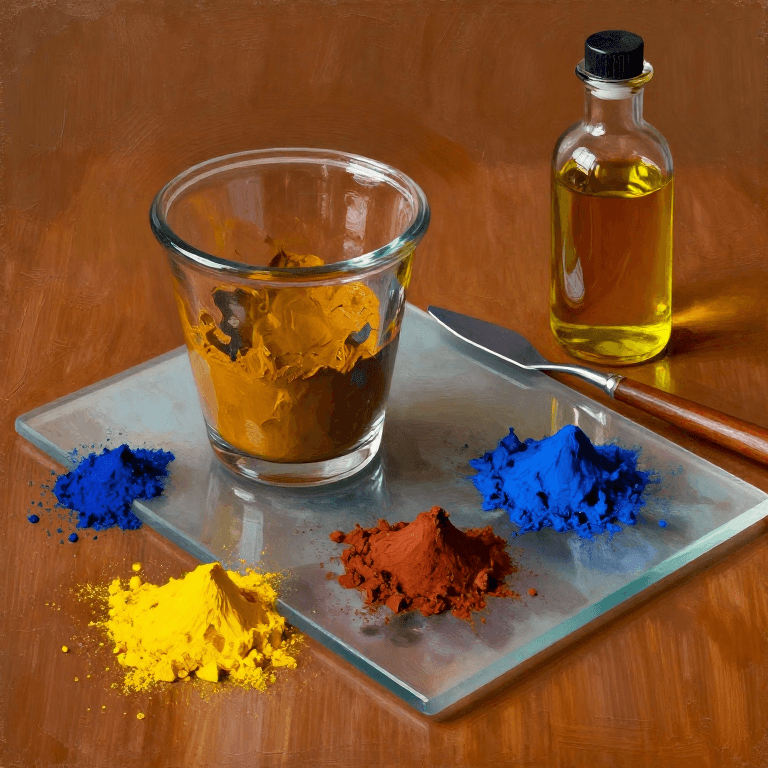
Crush the vine char in a mortar and pestle — it is very soft and breaks down quickly into a fine, fluffy black powder. Transfer to a glass slab and grind with a glass muller, adding a few drops of water to control the extremely fine dust (dry vine black becomes airborne easily). Continue grinding until the powder is completely smooth and uniform. Pass through a fine mesh sieve to remove any incompletely charred fragments. The finished vine black pigment is lightweight, soft, and intensely black with a cool, blue undertone. Store in a sealed glass jar. It is ready to mix with any binder — especially valued in oil painting for cool-toned glazes and for mixing the most neutral greys when combined with lead white or titanium white.
Alatan diperlukan:
 Lesung dan Alu
 Penggiling Kaca
 Ayak Bermata Halus
 Balang Kaca Bertutup
Bahan
3- Pemegang Tempat
- 100 gPemegang Tempat
- Pemegang Tempat
Alatan Diperlukan
7- Pemegang Tempat
- Pemegang Tempat
- Pemegang Tempat
- Pemegang Tempat
- Pemegang Tempat
- Pemegang Tempat
- Pemegang Tempat
Bahan Blueprint Bersambung
Blueprint ini membuat

Blueprint berkaitan
Blueprint ini berkongsi pengetahuan — teknik, bahan atau prinsip
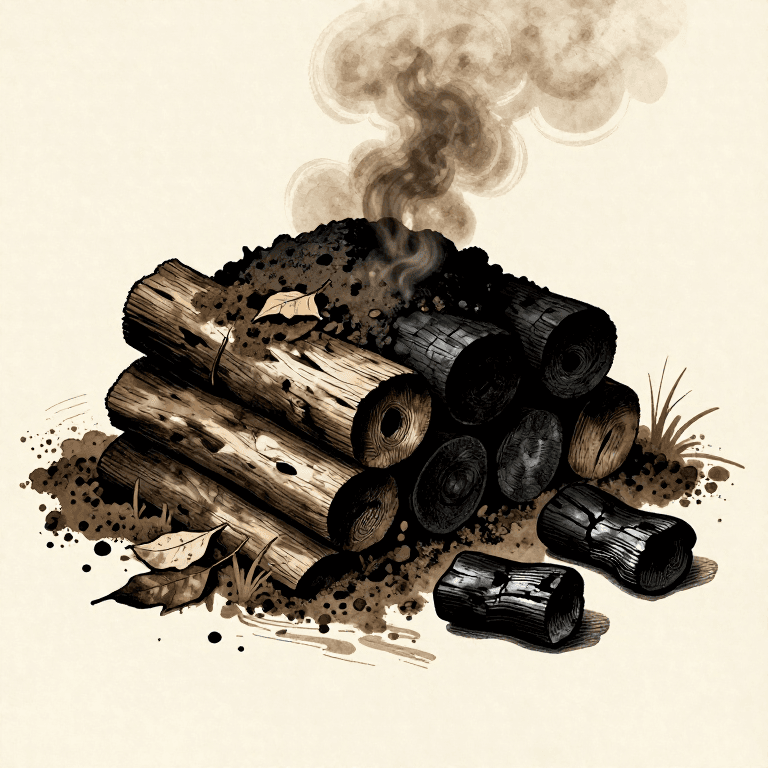
Making Charcoal from Hardwood — Pyrolysis in a Pit Kiln
oleh Charlie
Kimia
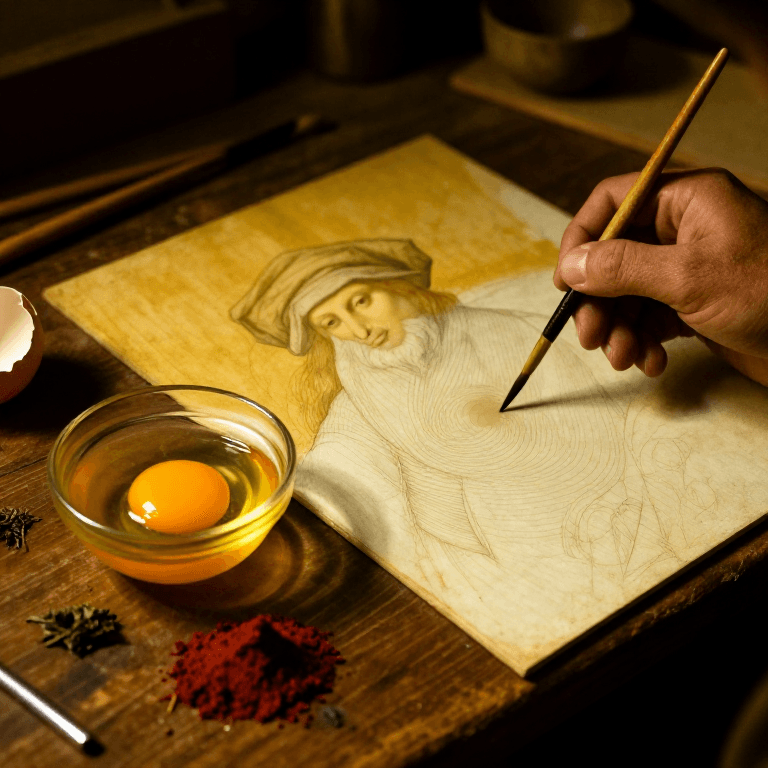
Making Egg Tempera Paint — The Medieval Panel Painting Medium
oleh Charlie
SENI
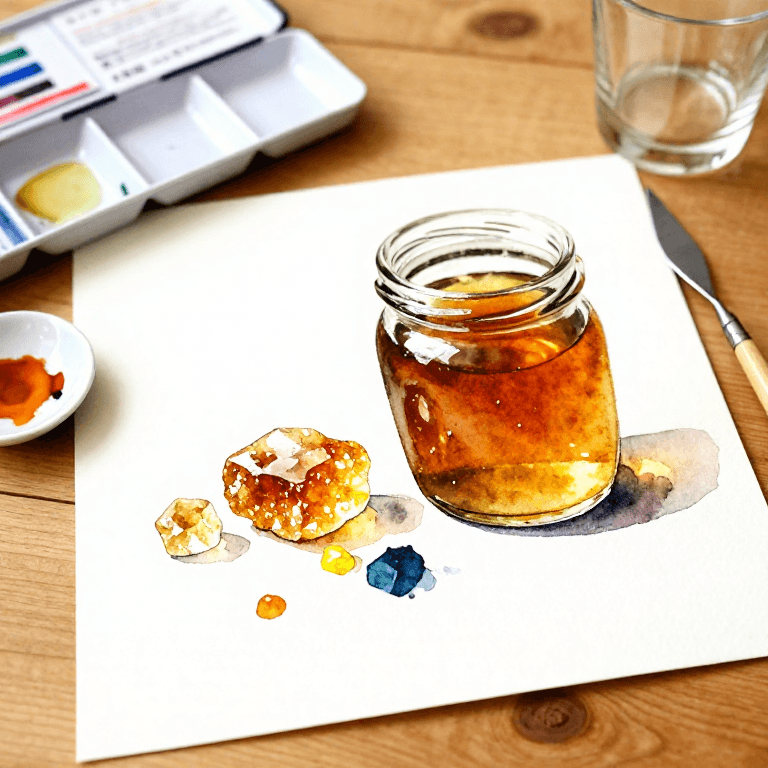
Making Watercolour Paint from Raw Pigments — Gum Arabic Binder
oleh Charlie
SENI
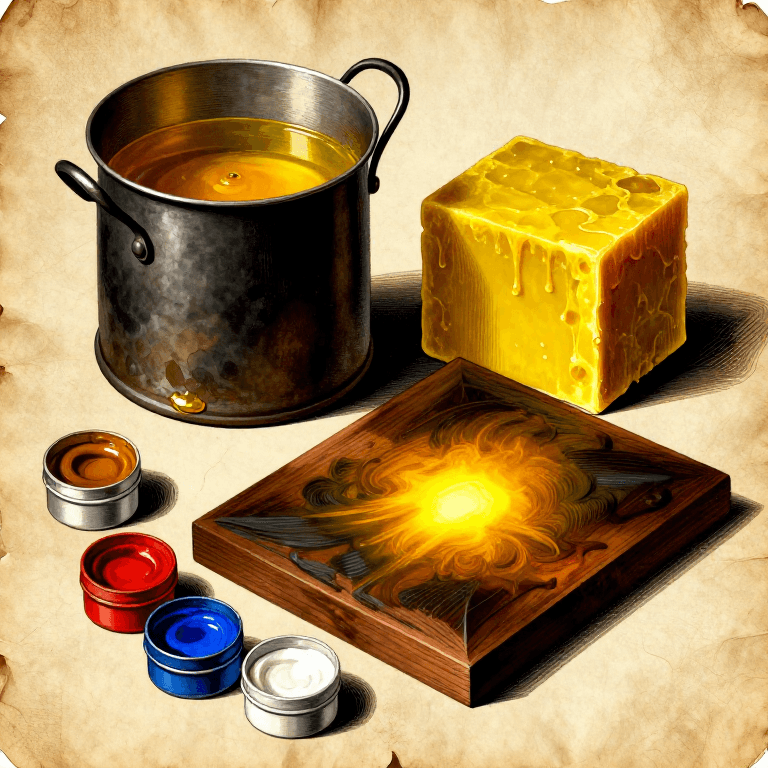
Making Encaustic Paint — The Hot Beeswax Medium of Ancient Greek and Egyptian Painters
oleh Charlie
SENI
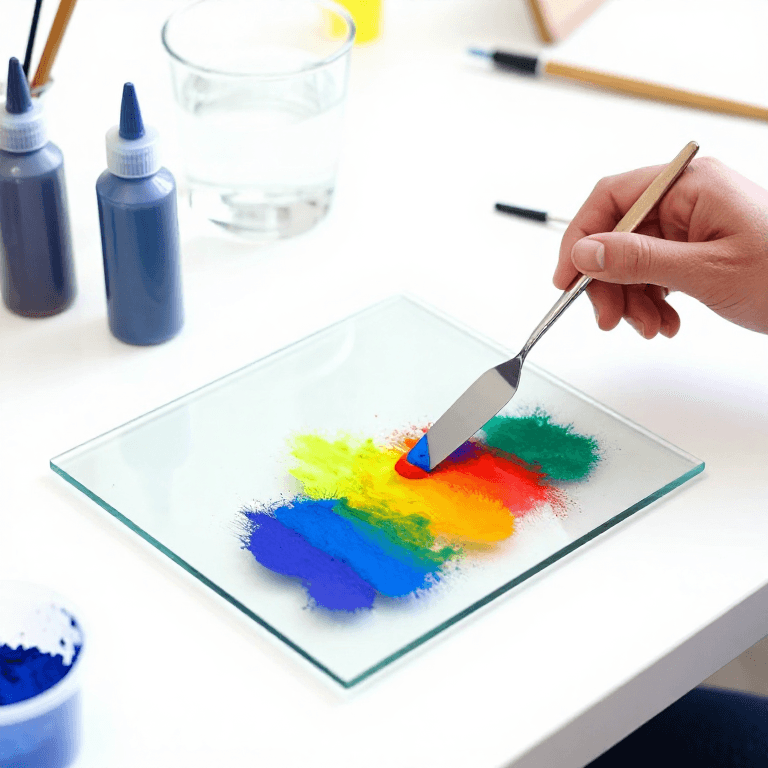
Making Acrylic Paint — Grinding Pigments into Acrylic Polymer Medium
oleh Charlie
SENI
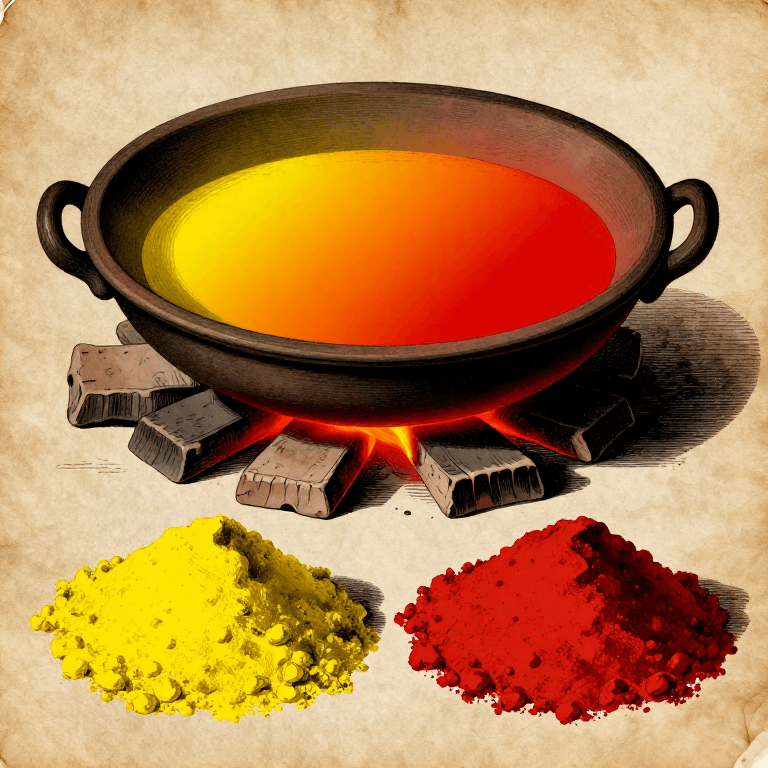
Making Red Ochre by Calcining Yellow Ochre — The Oldest Deliberate Pigment Transformation
oleh Charlie
SENI
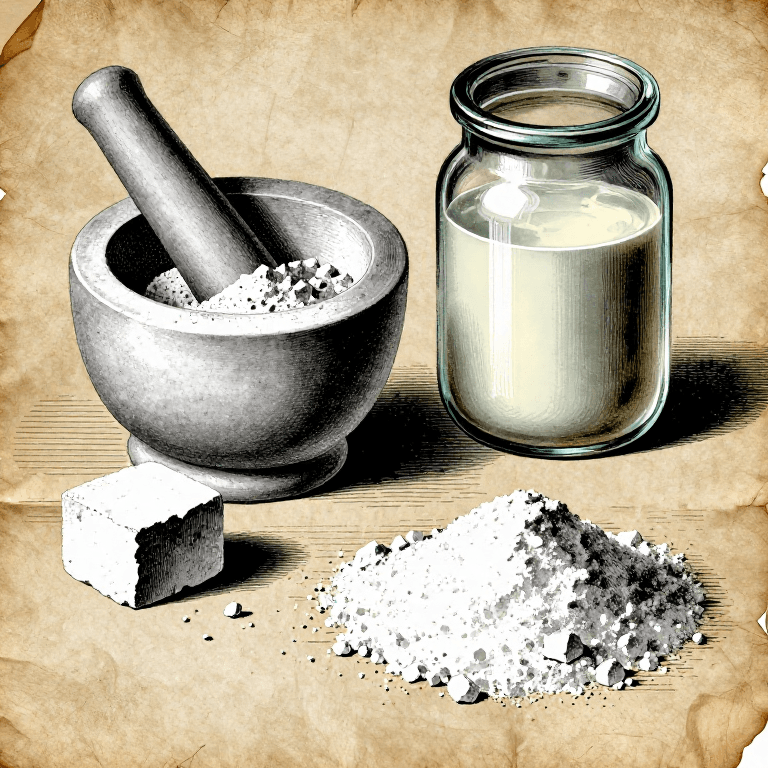
Making Chalk White Pigment (Whiting) — Grinding and Levigating Natural Chalk
oleh Charlie
SENI
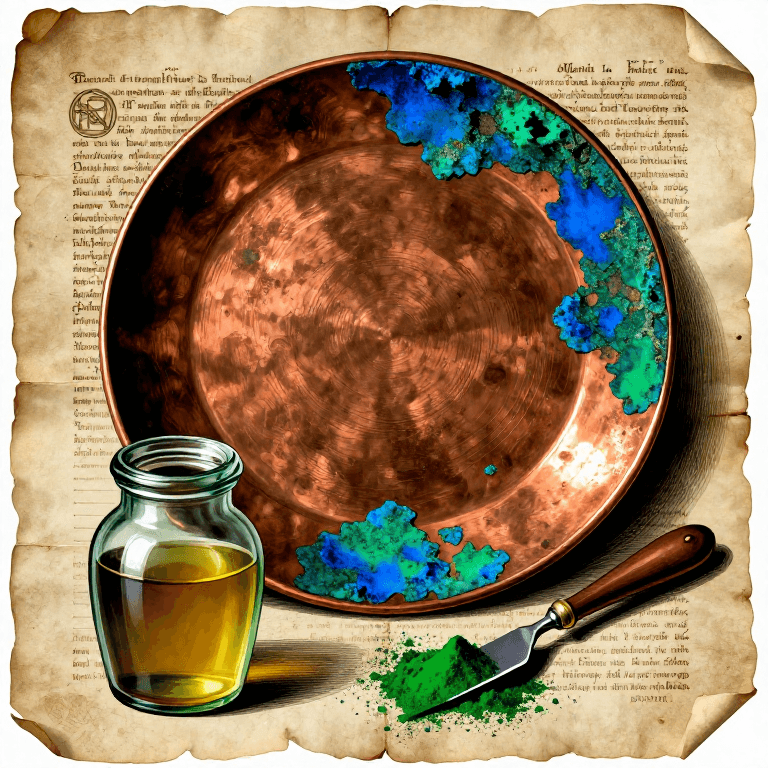
Making Verdigris — The Copper Acetate Green of Medieval Painters
oleh Charlie
SENI
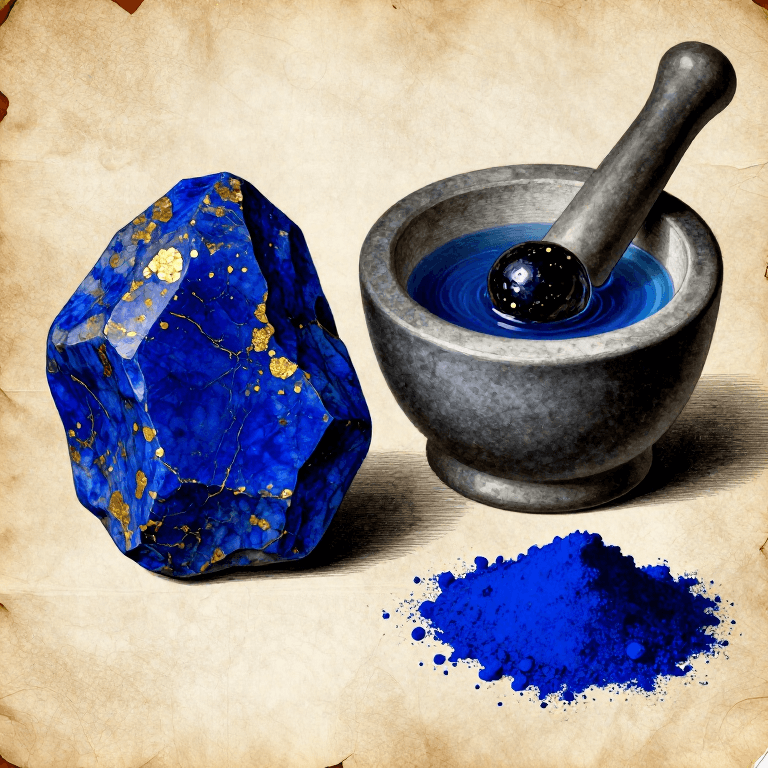
Making Ultramarine from Lapis Lazuli — Extracting the Most Precious Pigment in History
oleh Charlie
SENI
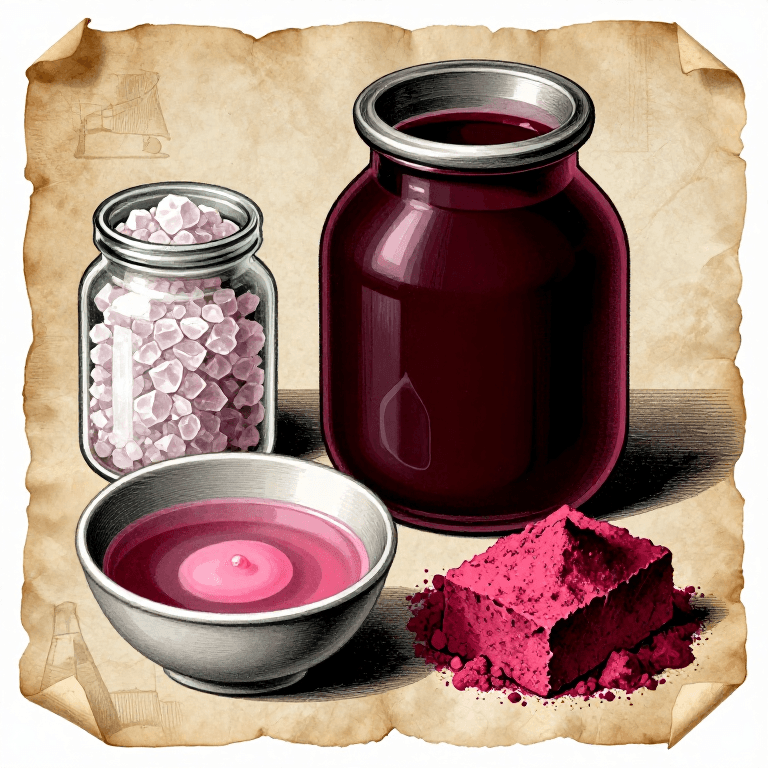
Making a Lake Pigment from Plant Dye — Precipitating Soluble Colour onto an Insoluble Substrate
oleh Charlie
SENI
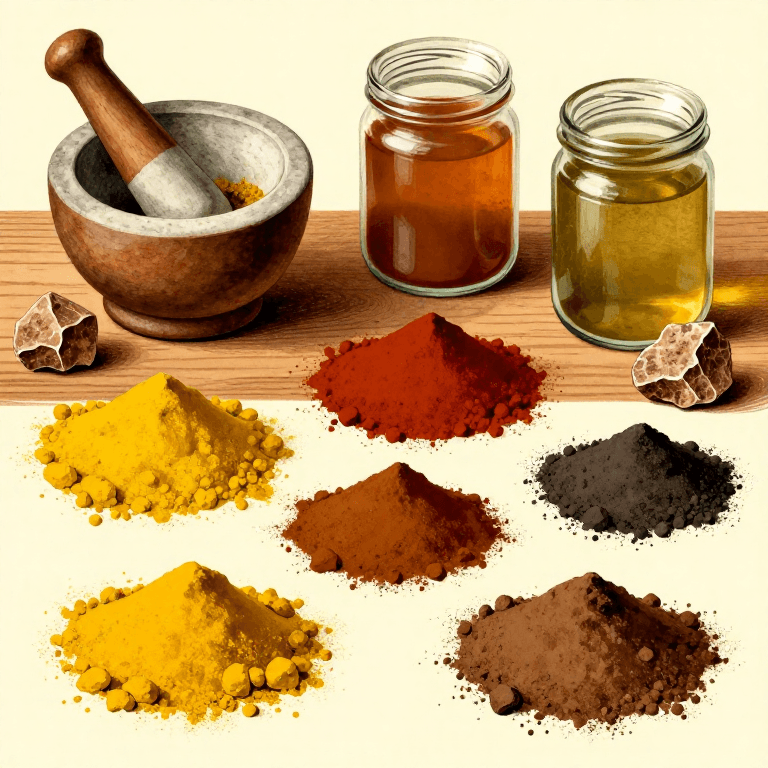
Making Natural Earth Pigments from Soil and Rocks — Collecting and Processing
oleh Mary
SENI

Making Casein Paint from Milk and Lime — The Ancient Protein-Based Wall Paint
oleh Charlie
SENI
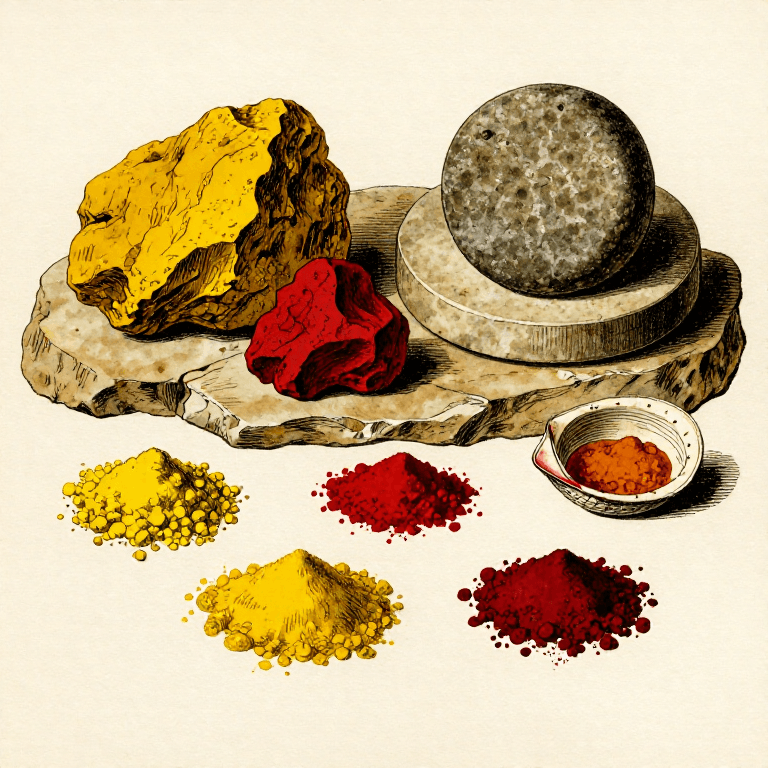
Preparing Ochre Pigment for Cave Painting — Mineral Processing
oleh Charlie
Kimia
CC0 Domain Awam
Blueprint ini dikeluarkan di bawah CC0. Anda bebas menyalin, mengubah, mengedar, dan menggunakan karya ini untuk sebarang tujuan, tanpa meminta kebenaran.
Sokong Pembuat dengan membeli produk melalui Blueprint mereka di mana mereka memperoleh Komisen Pembuat ditetapkan oleh Penjual, atau cipta iterasi baru Blueprint ini dan sertakan ia sebagai sambungan dalam Blueprint anda sendiri untuk berkongsi hasil.