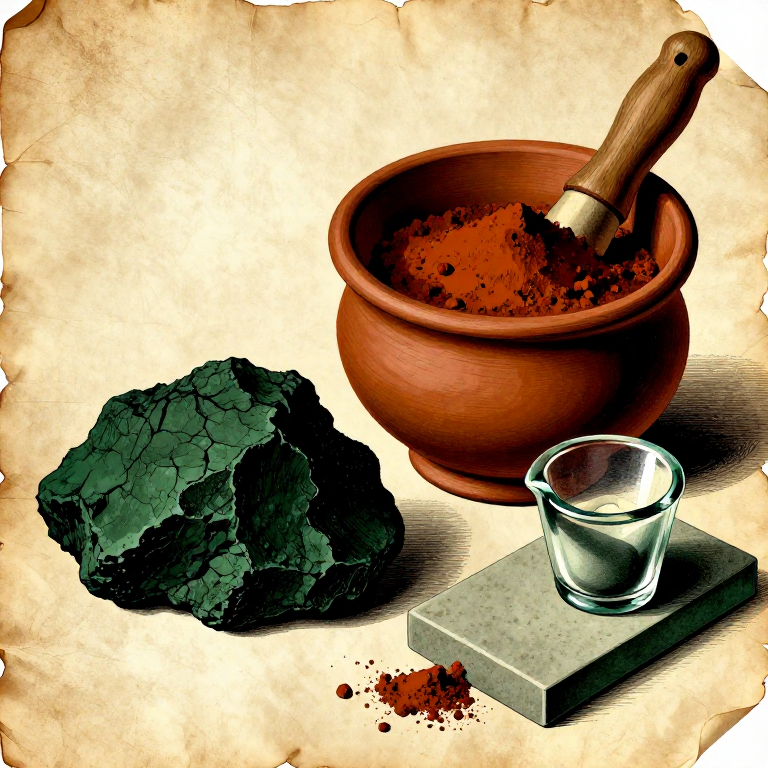

Making Raw and Burnt Umber — The Manganese Earth Pigments of Warm Shadow and Deep Brown
Umber is a natural earth pigment composed of iron oxide and manganese dioxide mixed with clay and silica. The manganese content (5-20%) distinguishes it from other iron oxide earths like ochre and sienna — it gives umber its characteristic cool, greenish-brown tone and also makes it the fastest-drying earth pigment in oil (manganese accelerates oxidative polymerization of linseed oil). The name probably derives from Umbria in central Italy, though the finest historical sources were in Cyprus (where umber deposits are exceptionally rich in manganese).
Raw umber is a cool, dark brown with a greenish undertone. Burnt umber — produced by calcining raw umber at moderate temperatures — is a warm, reddish-dark brown, one of the most versatile and useful colours on any painter's palette. The calcination drives off chemically bound water from the goethite component, converting it to hematite, and partially oxidises the manganese dioxide, deepening and warming the colour dramatically. Both forms have been used continuously since antiquity in fresco, tempera, oil, and watercolour painting. They are completely lightfast, non-toxic, and compatible with every binder.
Инструкции
Select and inspect raw umber earth
Select and inspect raw umber earth
Obtain raw umber earth from a geological supplier or art pigment dealer. Quality umber is a dark, cool brown with a distinctly greenish undertone when spread thin — this greenish cast is the hallmark of high manganese content. Rub a sample across white paper or an unglazed tile: the streak should be a cool grey-brown, not a warm reddish-brown (which would indicate low manganese, closer to a dark ochre). Cyprus umber is traditionally considered the finest quality. Remove any stones, roots, or organic debris.
Материалы для этого шага:
 Натуральная умбра500 г
Crush and grind to coarse powder
Crush and grind to coarse powder
Break the raw umber lumps into small fragments using a stone mortar and pestle. Pound and grind until the umber is a coarse, gritty powder with no pieces larger than a grain of rice. Wear a dust mask — umber dust is non-toxic but mineral dust should not be inhaled. Umber is typically softer and easier to crush than ochre because of its higher clay content, so this step goes quickly.
Необходимые инструменты:
 Каменная ступка с пестиком
 Противопылевая маска
Levigate the raw umber
Levigate the raw umber
Place the crushed umber in a large glass settling jar and add water at approximately 5:1 ratio. Stir vigorously, then let stand for 30 seconds — the heavy sand and grit will settle immediately. Pour the cloudy brown suspension through muslin cloth into a second settling jar, discarding the coarse sediment. Let the second jar settle undisturbed for 4-6 hours, then carefully pour off the clear water above the settled pigment. Repeat if needed. The levigated raw umber should feel silky-smooth between the fingers with no grit.
Необходимые инструменты:
 Стеклянная банка для отстаивания
 Кисея
Кисея Палочка для перемешивания
Dry and divide — reserve half as raw umber
Dry and divide — reserve half as raw umber
Spread the wet pigment paste on a clean glass surface and let it dry completely (1-2 days). Once dry, break the cake into pieces and grind half on a glass muller to a fine, smooth powder. This is your finished raw umber pigment — a cool, dark greenish-brown. Store in a sealed glass jar. Reserve the other half (as dried cake or coarse powder) for calcination in the next step.
Необходимые инструменты:
 Стеклянный курант
 Стеклянные банки с крышками
Calcine to produce burnt umber
Calcine to produce burnt umber
Place the reserved raw umber in a clay crucible or refractory dish and heat in a kiln or over a strong fire. Bring the temperature gradually to 300-500°C and hold for 30-60 minutes. Watch the colour change: as the goethite converts to hematite and the manganese dioxide partially oxidises, the cool greenish-brown shifts to a rich, warm reddish-dark brown. The exact temperature determines the final shade — lower temperatures produce a more moderate warming, higher temperatures a deeper, more reddish tone. Do not exceed 600°C or the pigment may lose chroma and become dull. Let the crucible cool completely before handling.
Необходимые инструменты:
 Тигель из огнеупорной глины
 Щипцы для тигля
 Кожаные краги
Grind the burnt umber to finished pigment
Grind the burnt umber to finished pigment
Once cooled, grind the calcined umber on a glass muller to a fine, smooth powder. Burnt umber should feel silky and produce a warm, rich reddish-brown when rubbed between the fingers. Compare it side by side with the raw umber from step 4 — the difference is dramatic: raw umber is cool and greenish, burnt umber is warm and reddish. Store in a sealed glass jar. Both pigments are permanent, completely lightfast, non-toxic, and compatible with all painting media. Burnt umber is especially valued in oil painting as an underpainting colour and for glazing warm shadows — the manganese content means it dries faster than any other earth pigment in oil.
Необходимые инструменты:
Стеклянный курантСтеклянные банки с крышкамиМатериалы
1- 500 гЗаполнитель
Требуемые инструменты
10- Заполнитель
- Заполнитель
- Заполнитель
- Заполнитель
- Заполнитель
- Заполнитель
- Заполнитель
- Заполнитель
- Заполнитель
- Заполнитель
Материалы из связанных чертежей
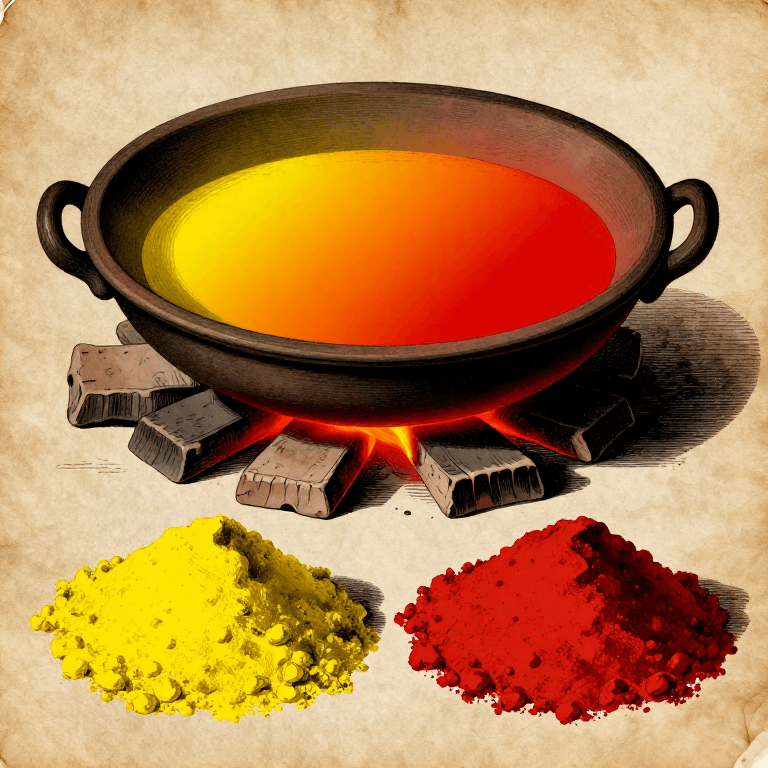
Making Red Ochre by Calcining Yellow Ochre — The Oldest Deliberate Pigment Transformation
от Charlie
ИСКУССТВО
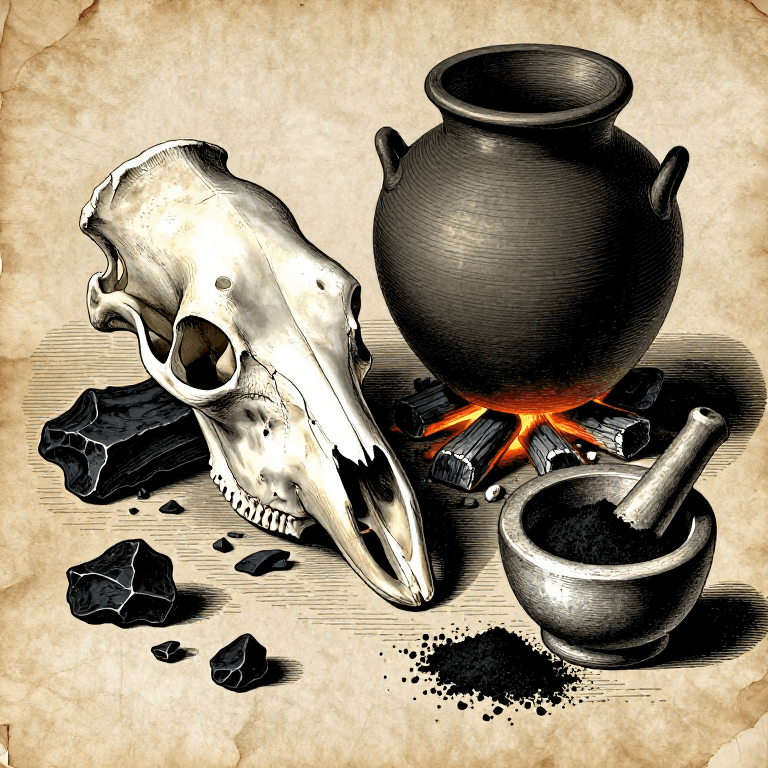
Making Bone Black Pigment — Calcining Animal Bones into the Warm Black of Old Master Painters
от Charlie
ИСКУССТВО
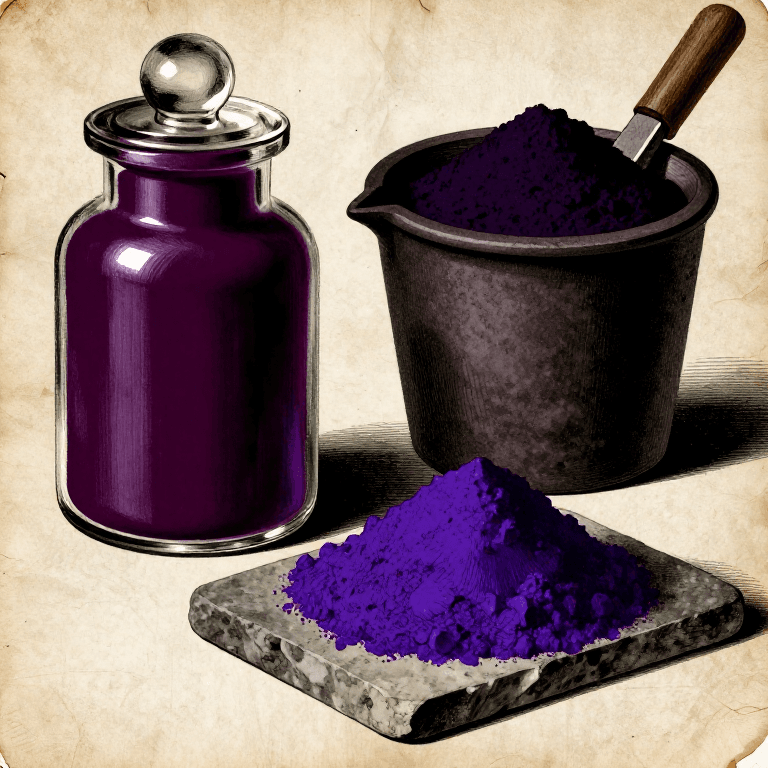
Making Manganese Violet — The Affordable Violet Pigment That Democratised the Palette
от Charlie
ИСКУССТВО
По этому чертежу делают

Связанные чертежи
Эти чертежи делятся знаниями — техники, материалы или принципы
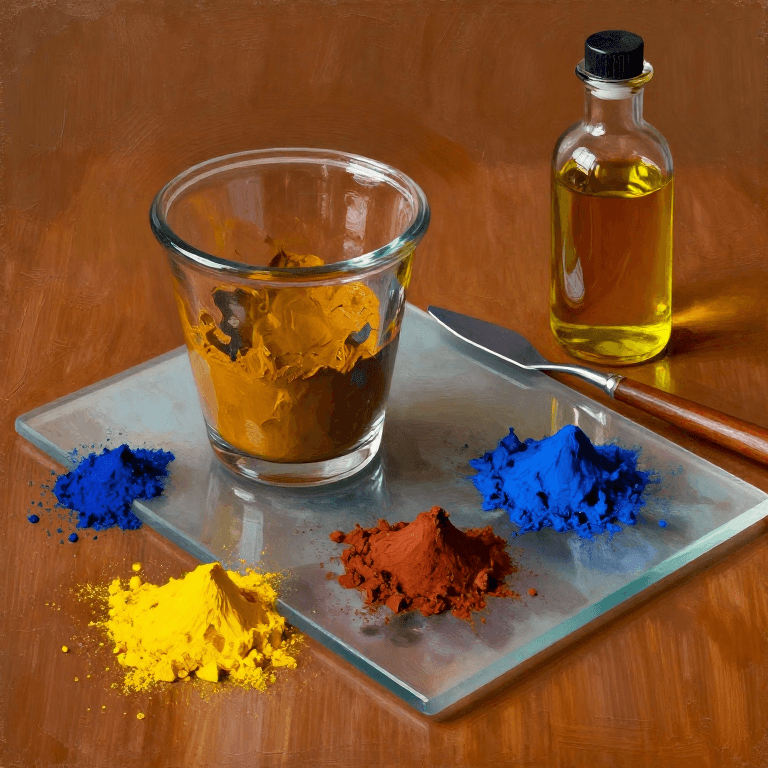
Making Oil Paint from Raw Pigments — Grinding Pigments in Linseed Oil
от Charlie
ИСКУССТВО
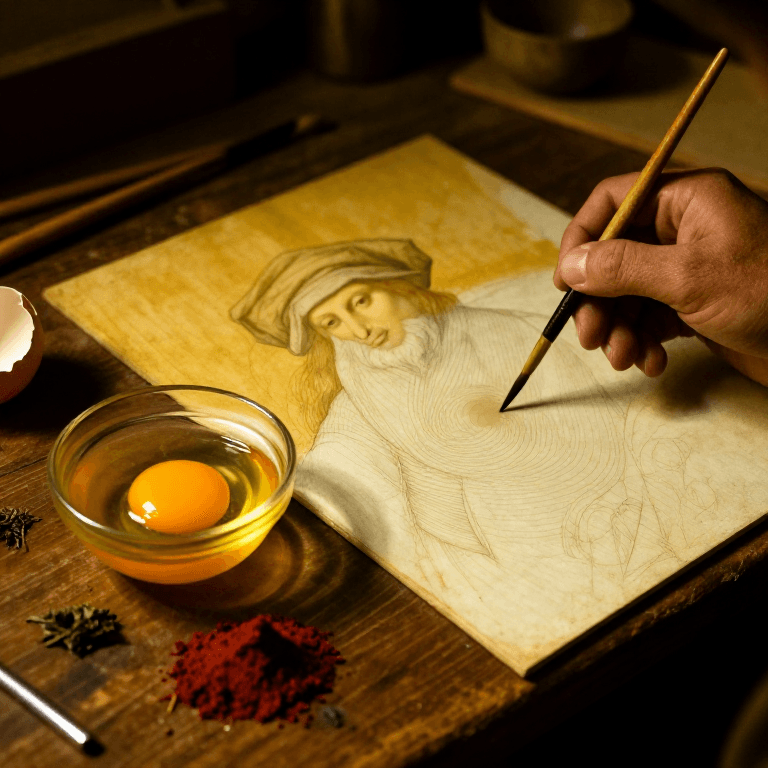
Making Egg Tempera Paint — The Medieval Panel Painting Medium
от Charlie
ИСКУССТВО
Making Watercolour Paint from Raw Pigments — Gum Arabic Binder
от Charlie
ИСКУССТВО
Making Encaustic Paint — The Hot Beeswax Medium of Ancient Greek and Egyptian Painters
от Charlie
ИСКУССТВО
Making Lampblack Pigment — Collecting Carbon Soot from a Burning Flame
от Charlie
ИСКУССТВО
Making Chalk White Pigment (Whiting) — Grinding and Levigating Natural Chalk
от Charlie
ИСКУССТВО
Making Green Earth Pigment (Terra Verte) — The Soft Green of Celadonite and Glauconite
от Charlie
ИСКУССТВО
Making Vine Black Pigment — Charring Grape Vines into the Cool Blue-Black of Classical Painters
от Charlie
ИСКУССТВО

Making Casein Paint from Milk and Lime — The Ancient Protein-Based Wall Paint
от Charlie
ИСКУССТВО
Making Traditional Gesso — The White Ground That Prepared Every Panel Painting in History
от Charlie
ИСКУССТВО
Making Lime Wash — The Oldest and Simplest Wall Paint in the World
от Charlie
ИСКУССТВО
Making Natural Earth Pigments from Soil and Rocks — Collecting and Processing
от Mary
ИСКУССТВО
Painting a Buon Fresco on Wet Lime Plaster — Roman Wall Painting
от Charlie
Кладка
Preparing Ochre Pigment for Cave Painting — Mineral Processing
от Charlie
Химия
CC0 Общественное достояние
Этот чертёж выпущен под лицензией CC0. Вы можете свободно копировать, изменять, распространять и использовать эту работу в любых целях без запроса разрешения.
Поддержите мейкера, покупая товары через его чертёж, где он получает Комиссию мейкера установленную продавцами, или создайте новую итерацию этого чертежа и включите его как связь в свой чертёж для распределения дохода.