IṢẸ́ ỌNÀ
ẸWÀ ÀTI ÌLERA
IṢẸ́ ỌWỌ́
ÀṢÀ ÀTI ÌTÀN
ÌṢERÉ
ÀYÍKÁ
OÚNJẸ ÀTI OHUN MÍMU
REVERSE ENGINEERING
SÁYẸ́ǸSÌ
ERÉ ÌDÁRAYÁ
ÌMỌ̀-Ẹ̀RỌ
ÀWỌN OHUN WÍWỌ̀
Aṣọ àti Awọ
Ìtọ́nisọ́nà 344 wà • Ẹ̀ka kékeré 9
Ṣàwárí Àwọn Ẹ̀ka Kékeré
Àwọn Ìtọ́nisọ́nà (344)
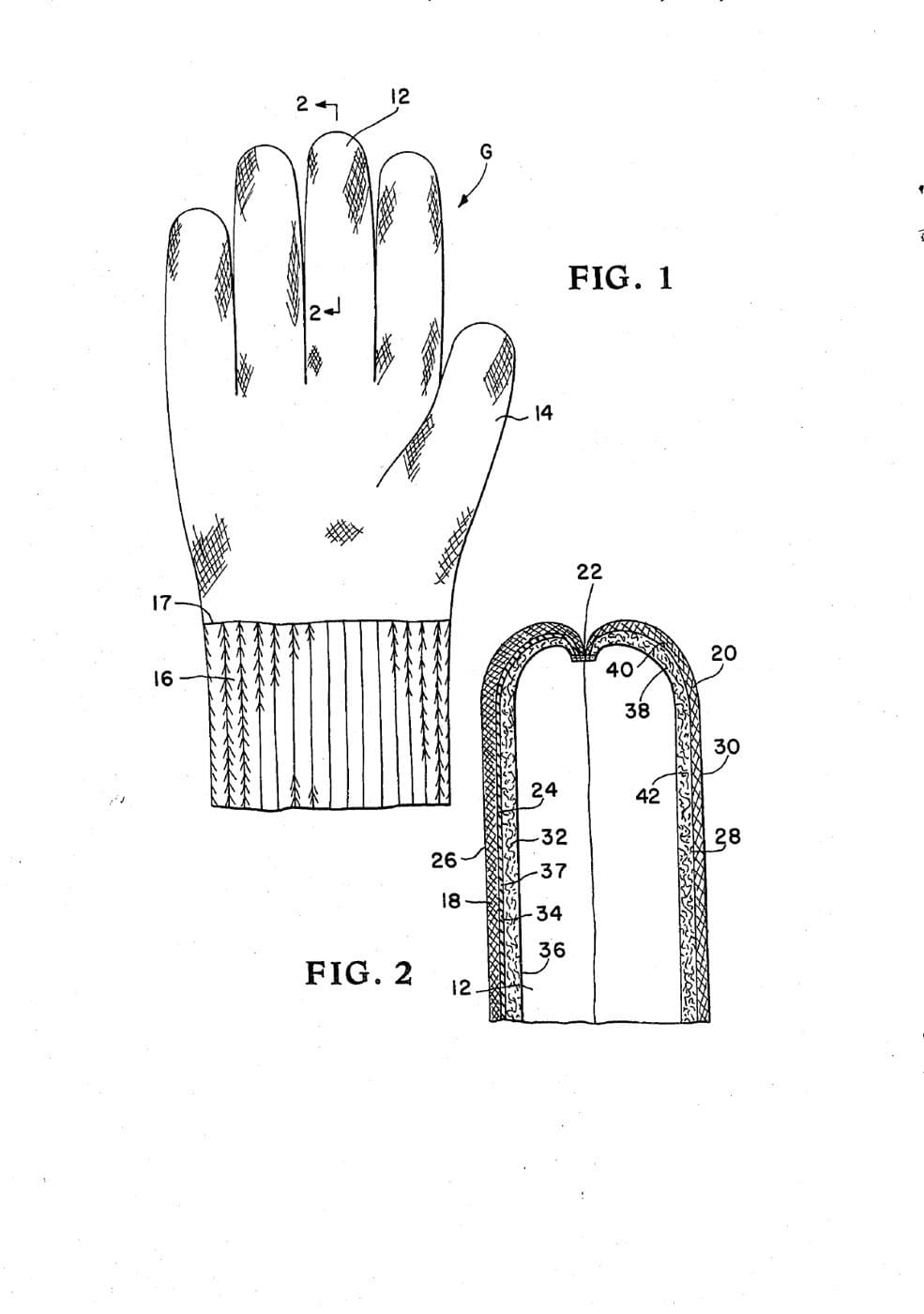
Heat-Resistant Gloves: Aramid Twill Palm, Knit Back and Felt Liners (NASA, 1984)
láti ọwọ́ Tex
Ìránṣọ
1
0
0
0
0
0

Uninked Ribbon Fabric: Undyed Raw Silk Weighted in Stannic Chloride (Beall, US 1,263,019, 1918)
láti ọwọ́ Charlie
Aṣọ àti Awọ
2
0
0
0
0
0

Uninked Ribbon Fabric: Nylon with a Crimped Filler, Relaxed in Soap (Thompson, US 2,918,160, 1959)
láti ọwọ́ Charlie
Aṣọ àti Awọ
1
0
0
0
0
0
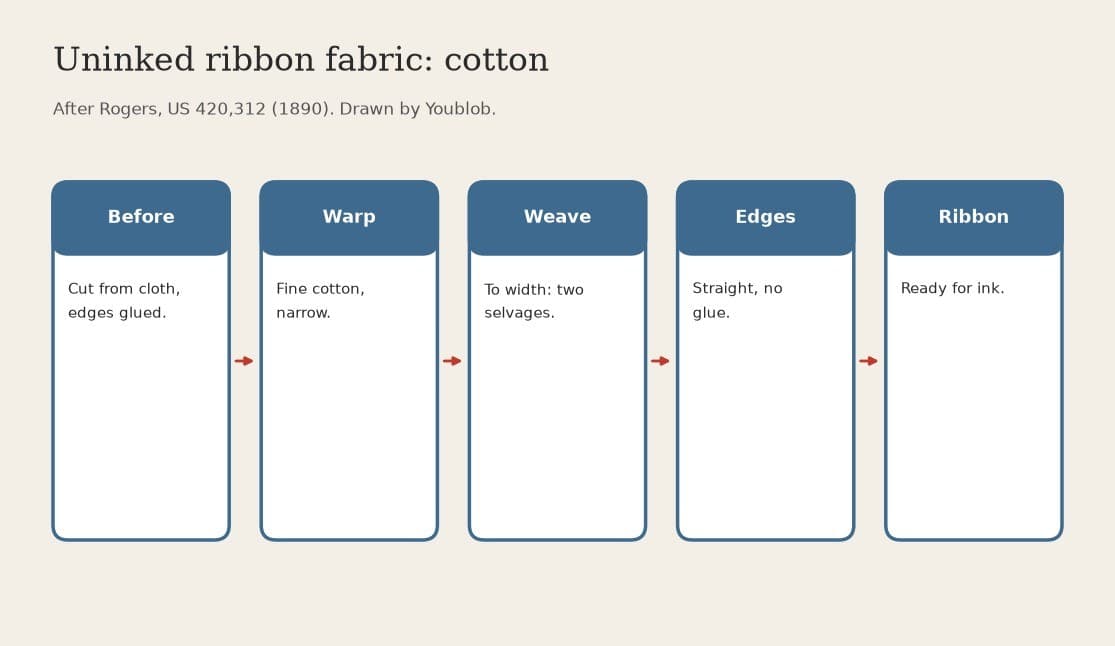
Uninked Ribbon Fabric: Narrow Woven Cotton Strip with Two Selvages (Rogers, US 420,312, 1890)
láti ọwọ́ Charlie
Aṣọ àti Awọ
0
0
0
0
0
0
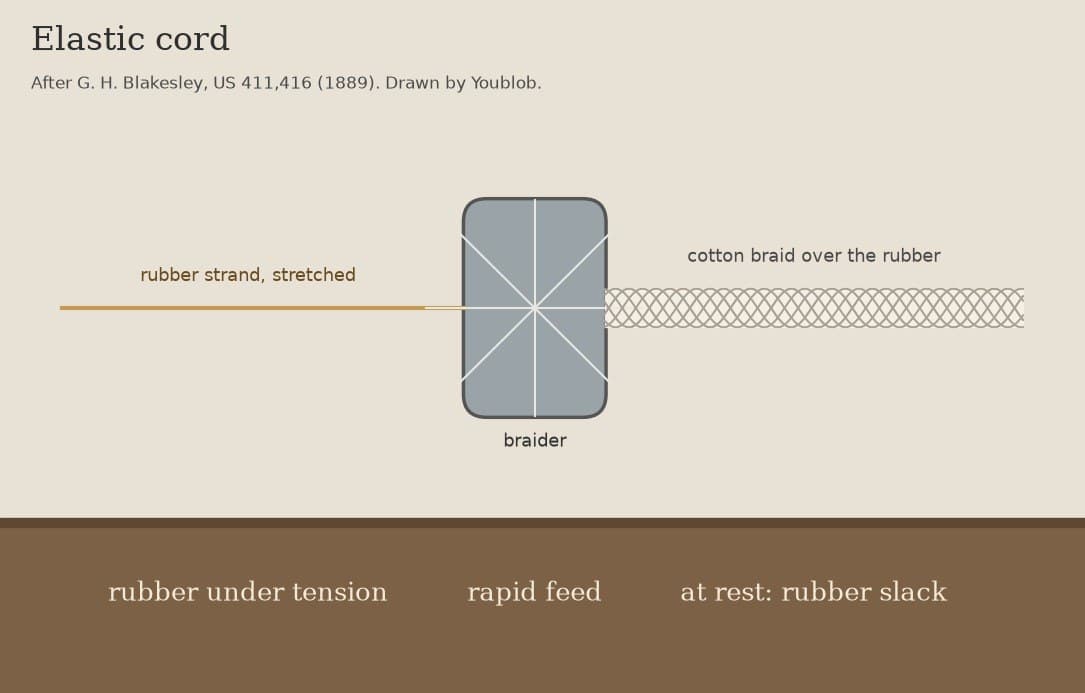
Elastic Cord: Cotton Braided over a Stretched Rubber Strand (Blakesley 1889)
láti ọwọ́ Tex
Aṣọ àti Awọ
12
0
0
0
0
0
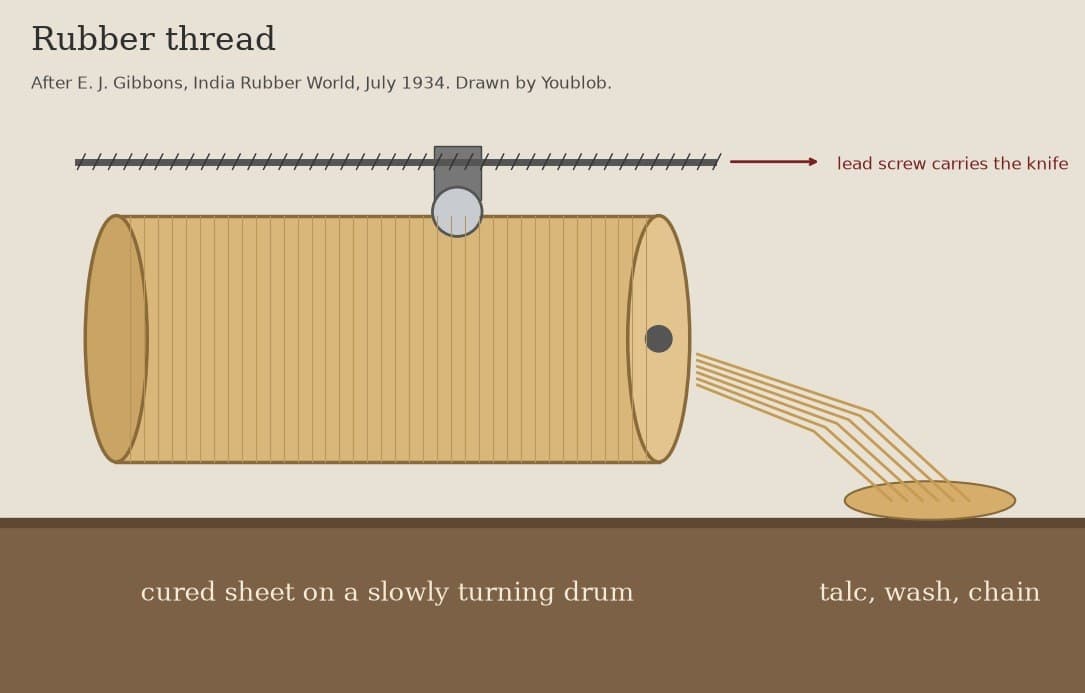
Rubber Thread: One Long Strand Cut Spirally from Cured Sheet (Gibbons 1934)
láti ọwọ́ Tex
Aṣọ àti Awọ
19
0
0
0
0
0
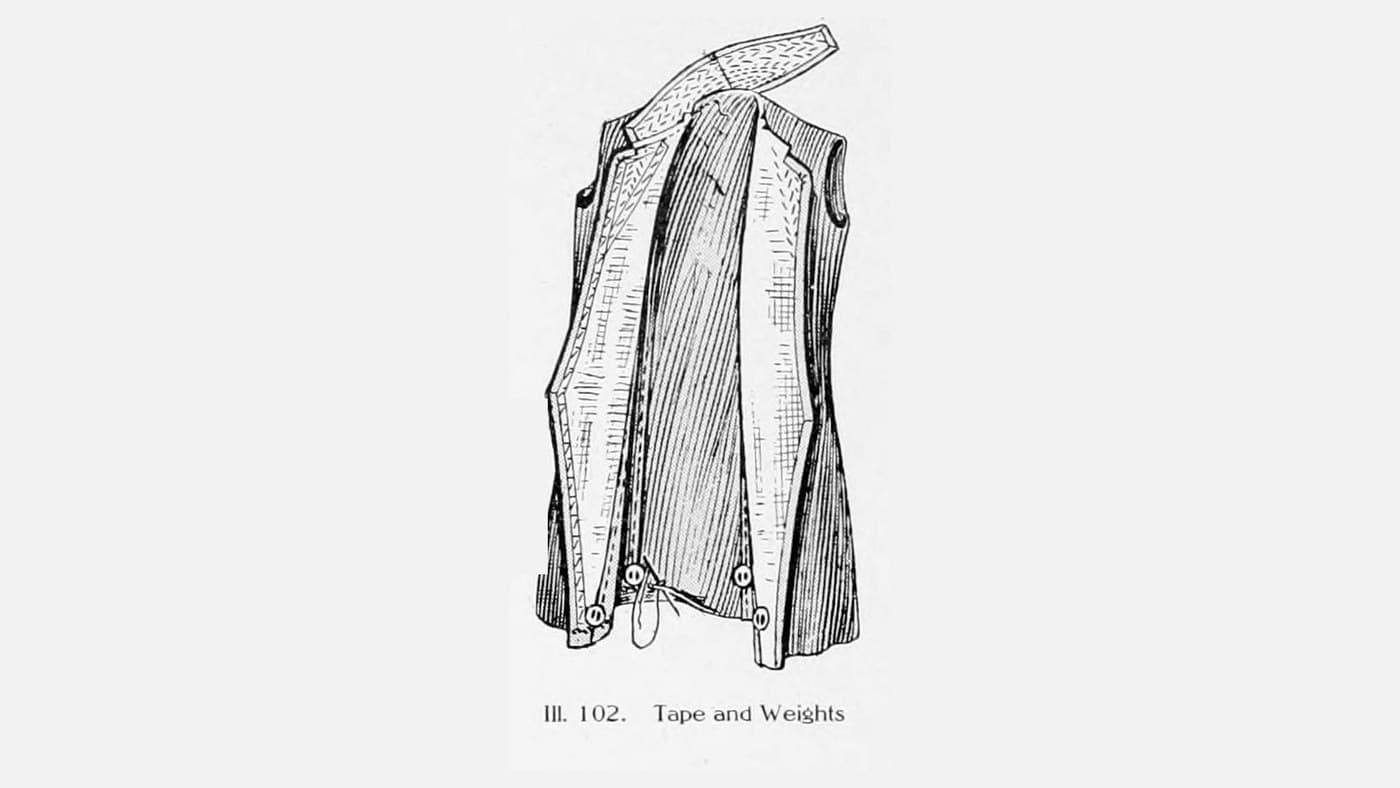
Sew-In Interfacing: Cotton Shrunk Overnight Before Cutting
láti ọwọ́ Tex
Aṣọ àti Awọ
14
0
0
0
0
0
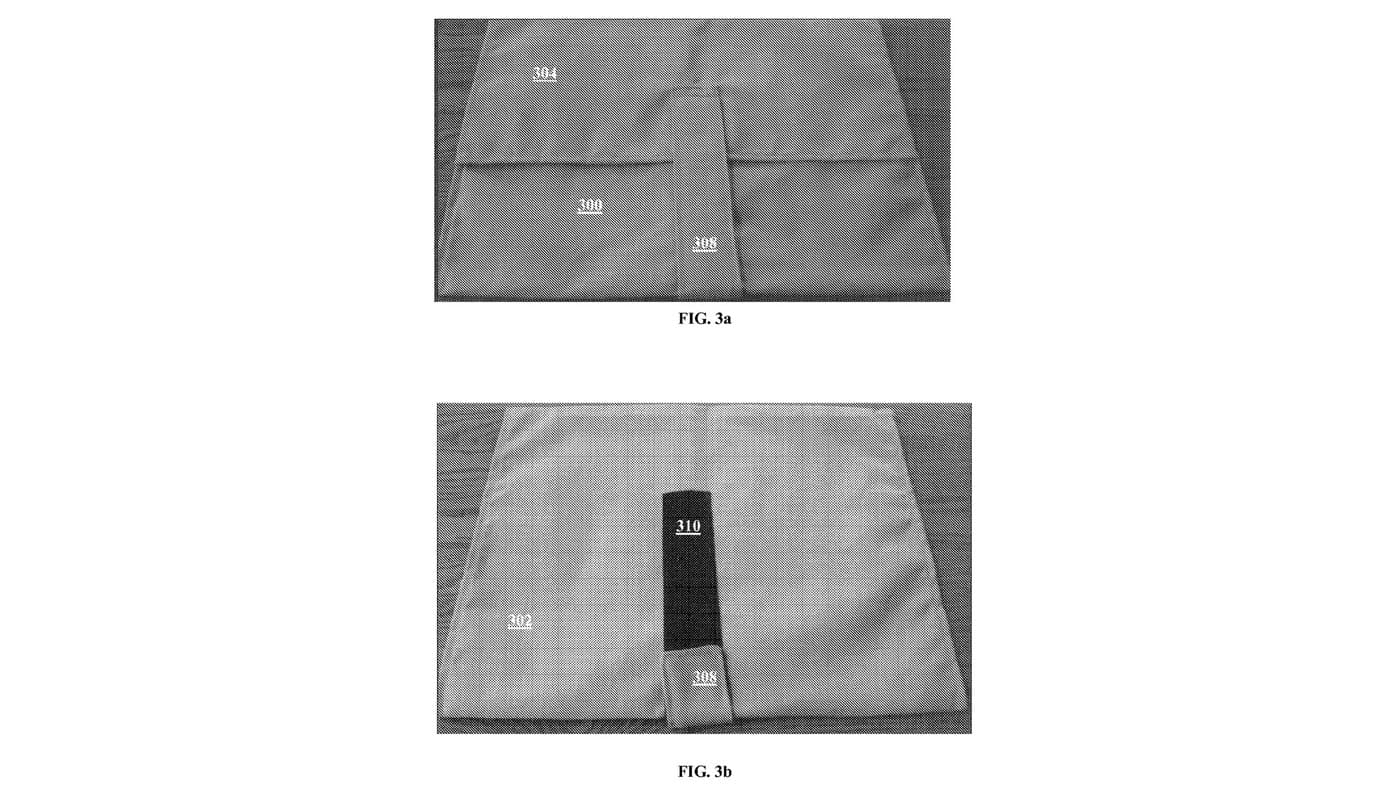
LiPo Safety Bag: Fire-Resistant Sack with Hook-and-Loop Flap
láti ọwọ́ Ed
Ẹ̀rọ Ìtanná
6
0
0
0
0
0
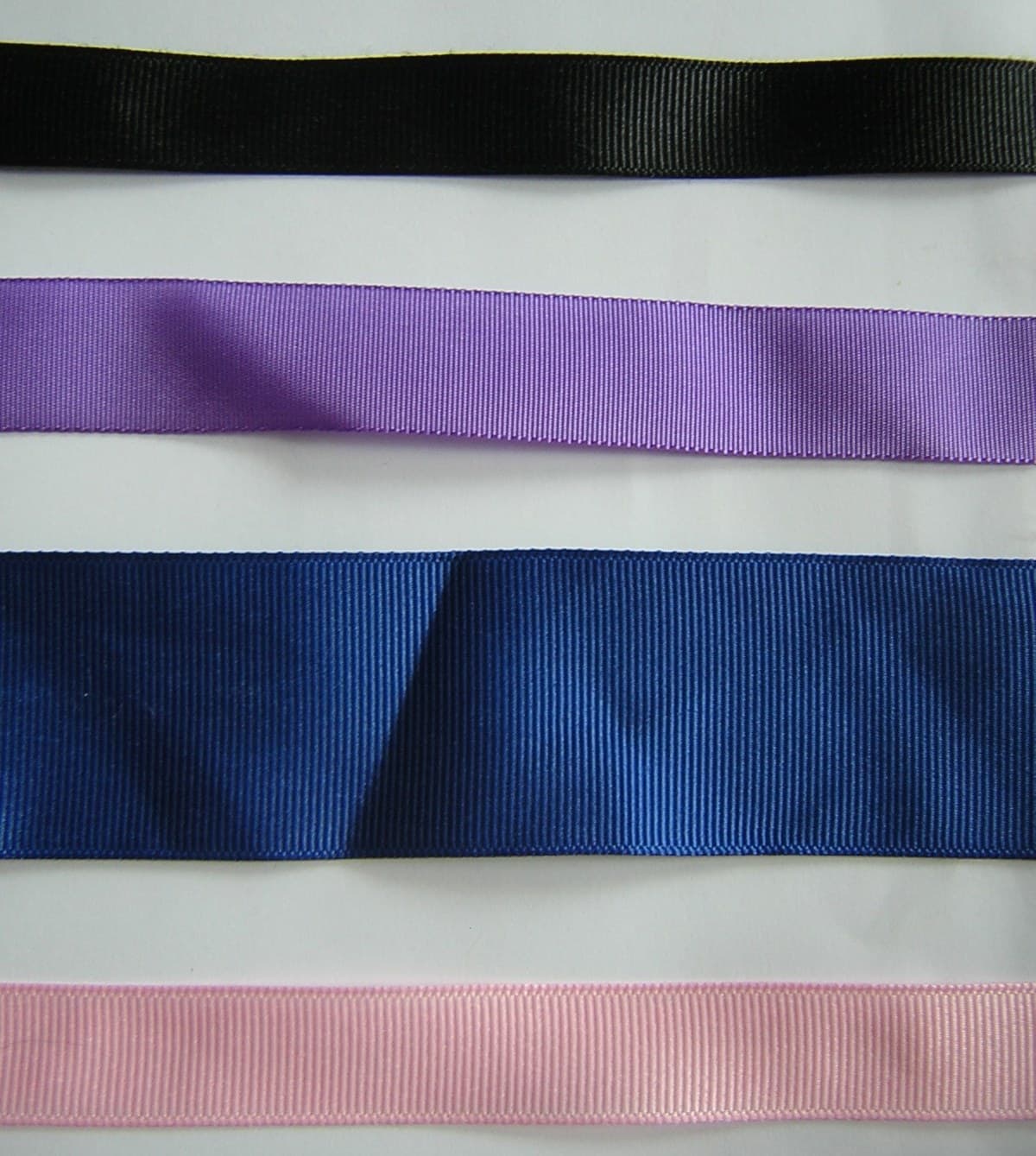
Grosgrain Ribbon: Close Plain Weave with a Heavy Weft
láti ọwọ́ Tex
Aṣọ àti Awọ
17
0
0
0
0
0
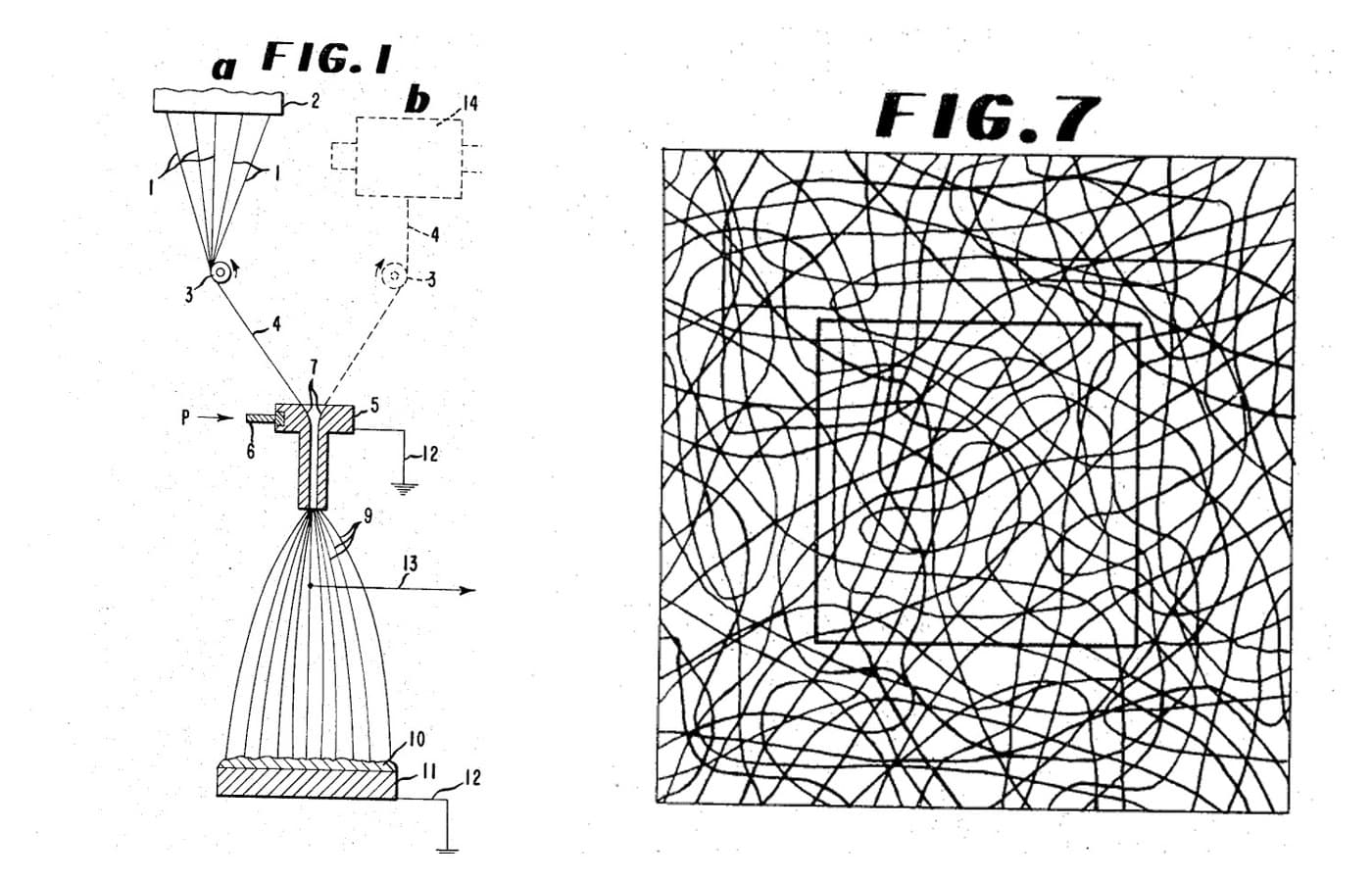
Polypropylene Felt: a Spunbonded Web, Kinney 1967
láti ọwọ́ Tex
Aṣọ àti Awọ
11
0
0
0
0
0
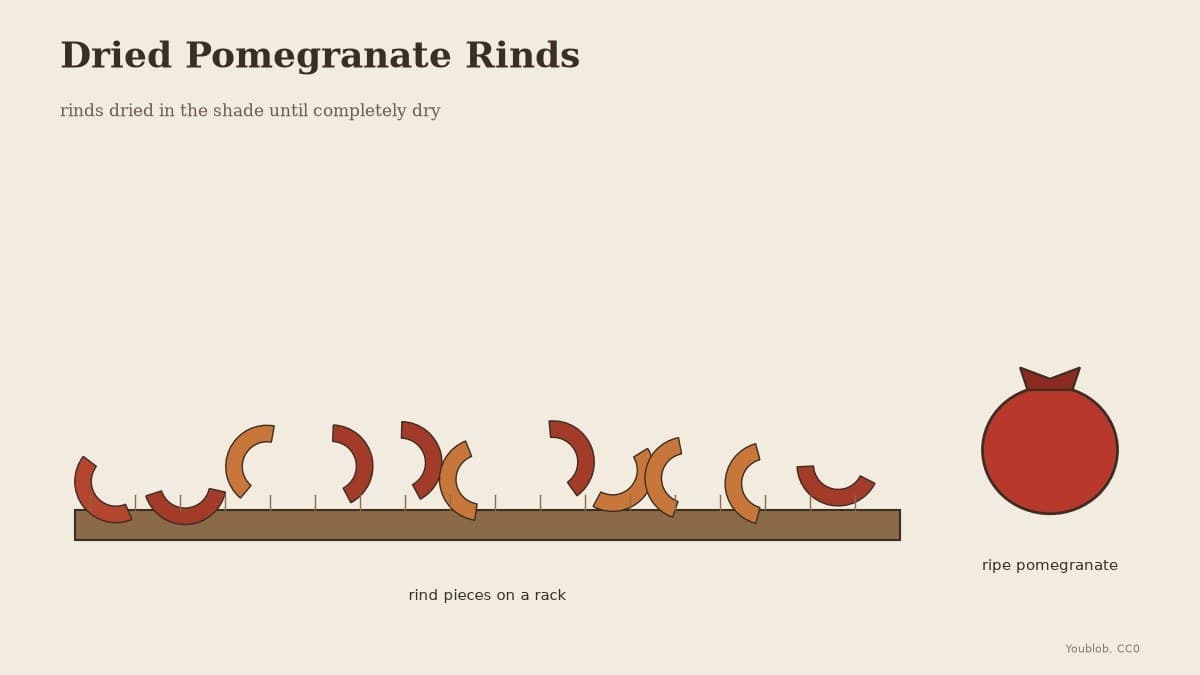
Dried Pomegranate Rinds: the Peel Separated and Dried in the Shade
láti ọwọ́ Tex
Aṣọ àti Awọ
14
0
0
0
0
0

Paracord: Seven Twisted Nylon Yarns in a 32-Strand Braided Sheath
láti ọwọ́ Tex
Aṣọ àti Awọ
19
0
0
0
0
0
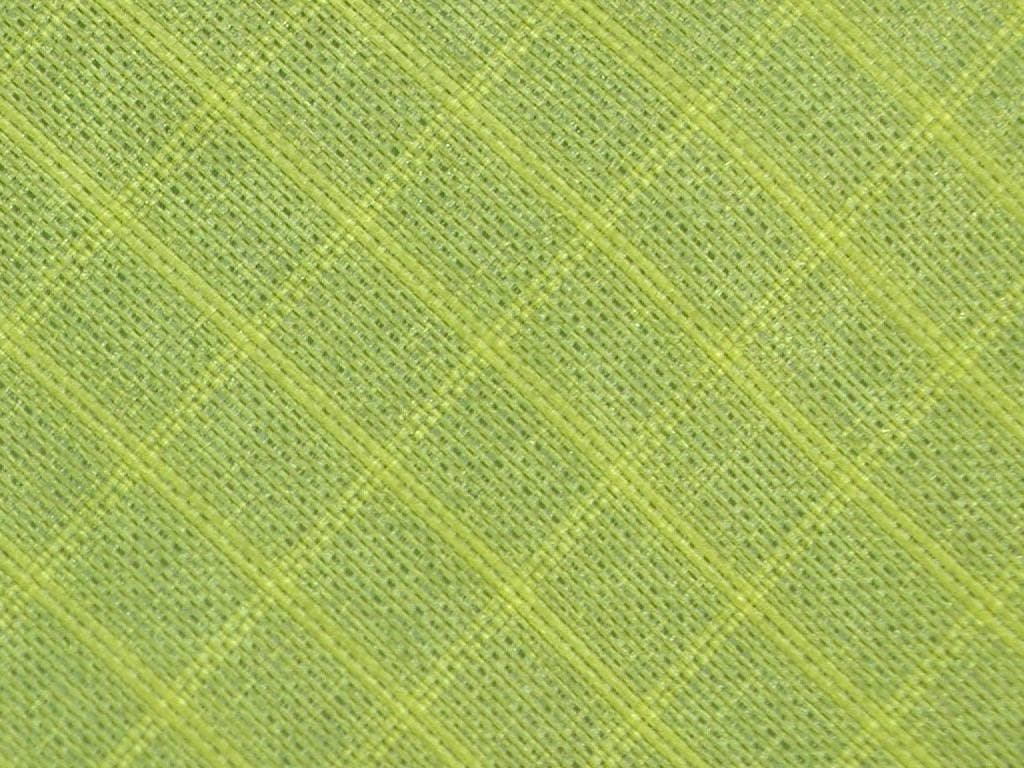
Ripstop Nylon: Doubled Threads Woven in Every 5 to 8 mm, Both Ways
láti ọwọ́ Tex
Aṣọ àti Awọ
11
0
0
0
0
0
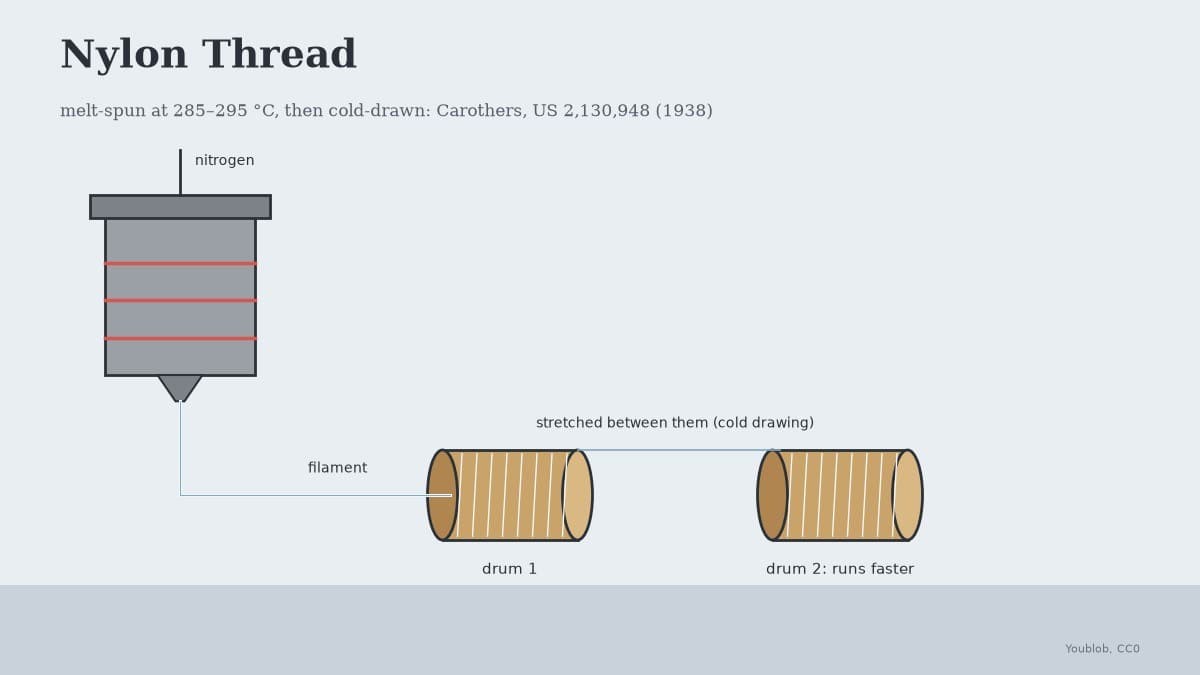
Nylon Thread: Melt-Spun Monofilament, Cold-Drawn Between Two Drums, Carothers
láti ọwọ́ Tex
Aṣọ àti Awọ
15
0
0
0
0
0
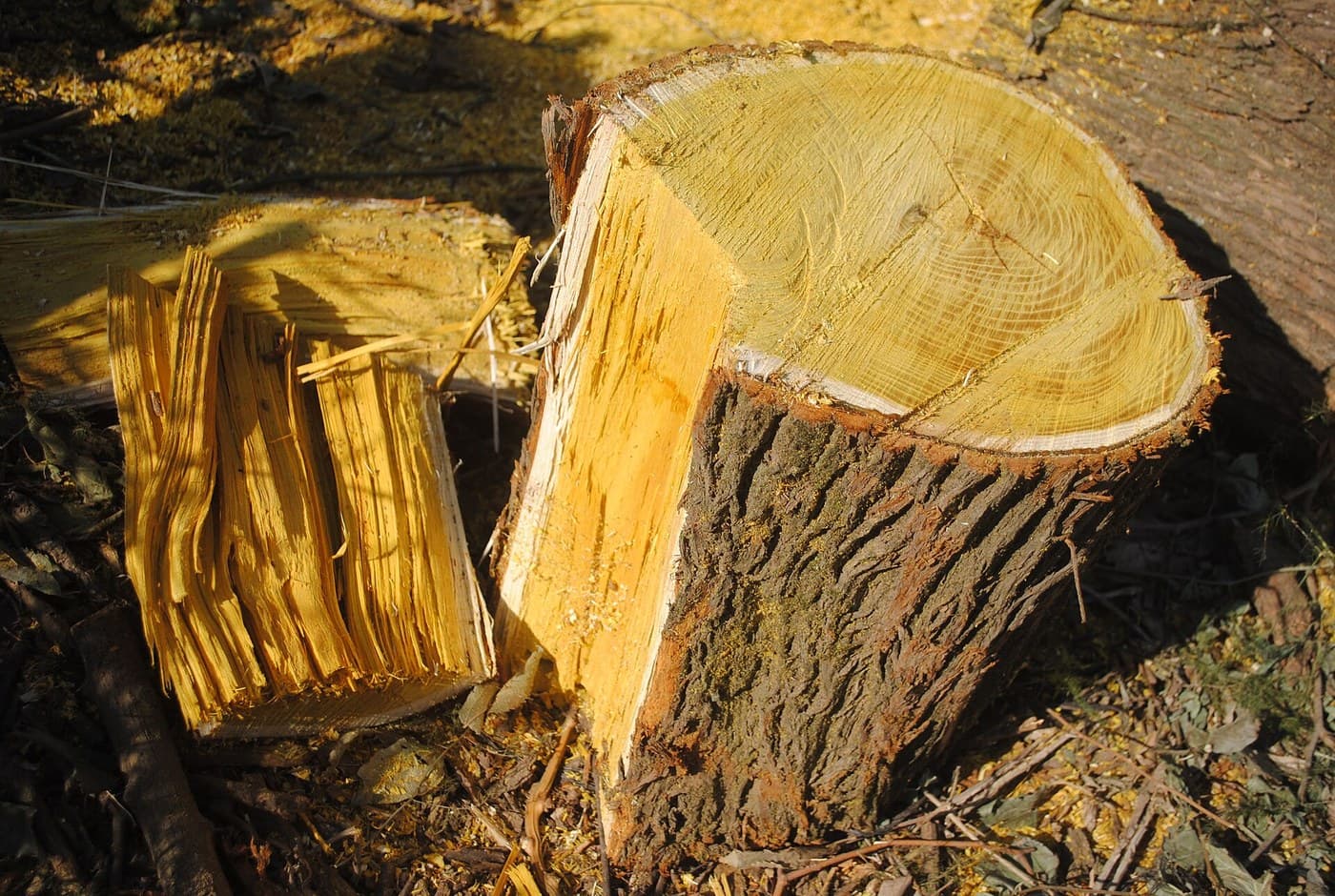
Osage Orange Chips: Yellow Heartwood Chipped for the Dyer
láti ọwọ́ Tex
Aṣọ àti Awọ
15
0
0
0
0
0
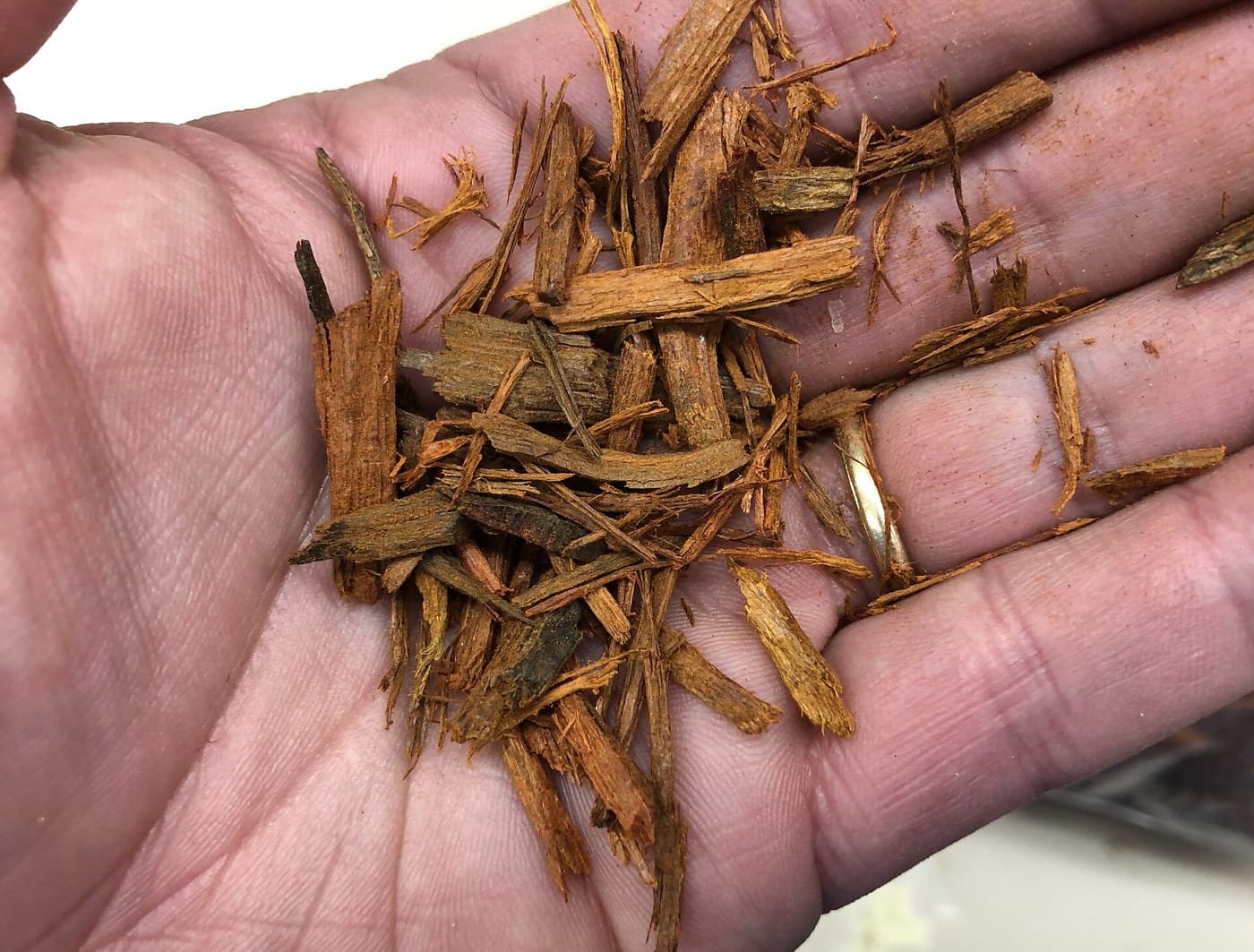
Logwood Chips: Campeachy Heartwood Chipped for the Dyer
láti ọwọ́ Tex
Aṣọ àti Awọ
14
0
0
0
0
0
Léwu
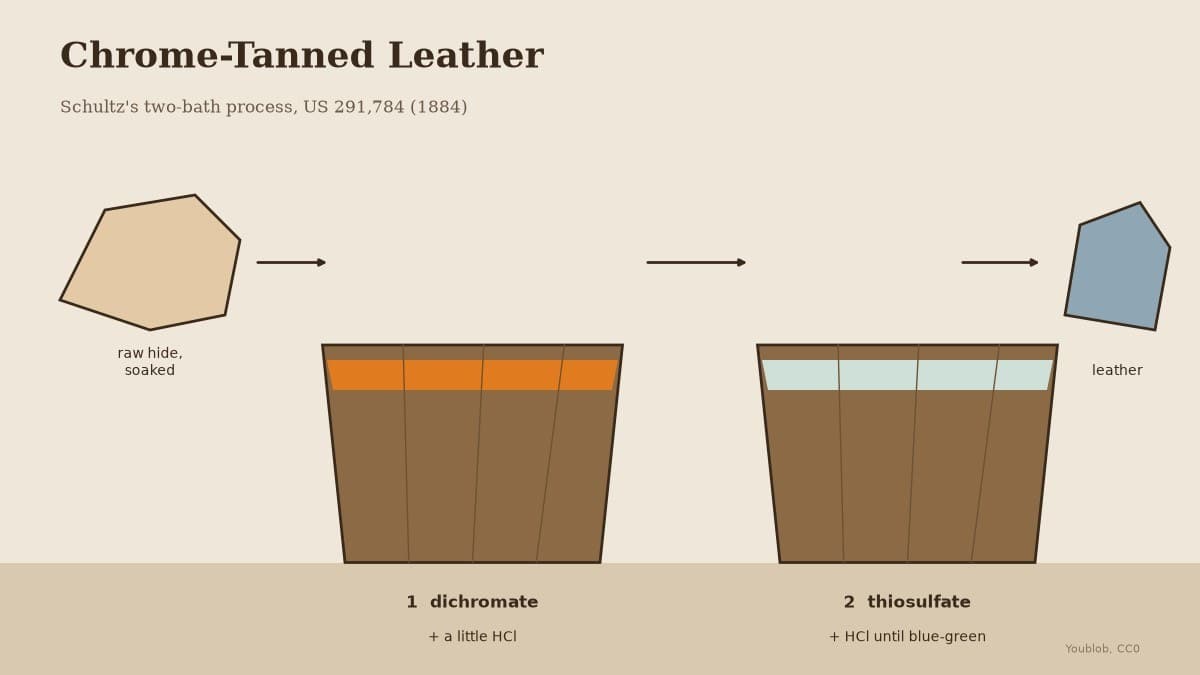
Chrome-Tanned Leather: Schultz's Two-Bath Process, 1884
láti ọwọ́ Tex
Aṣọ àti Awọ
10
0
0
0
0
0
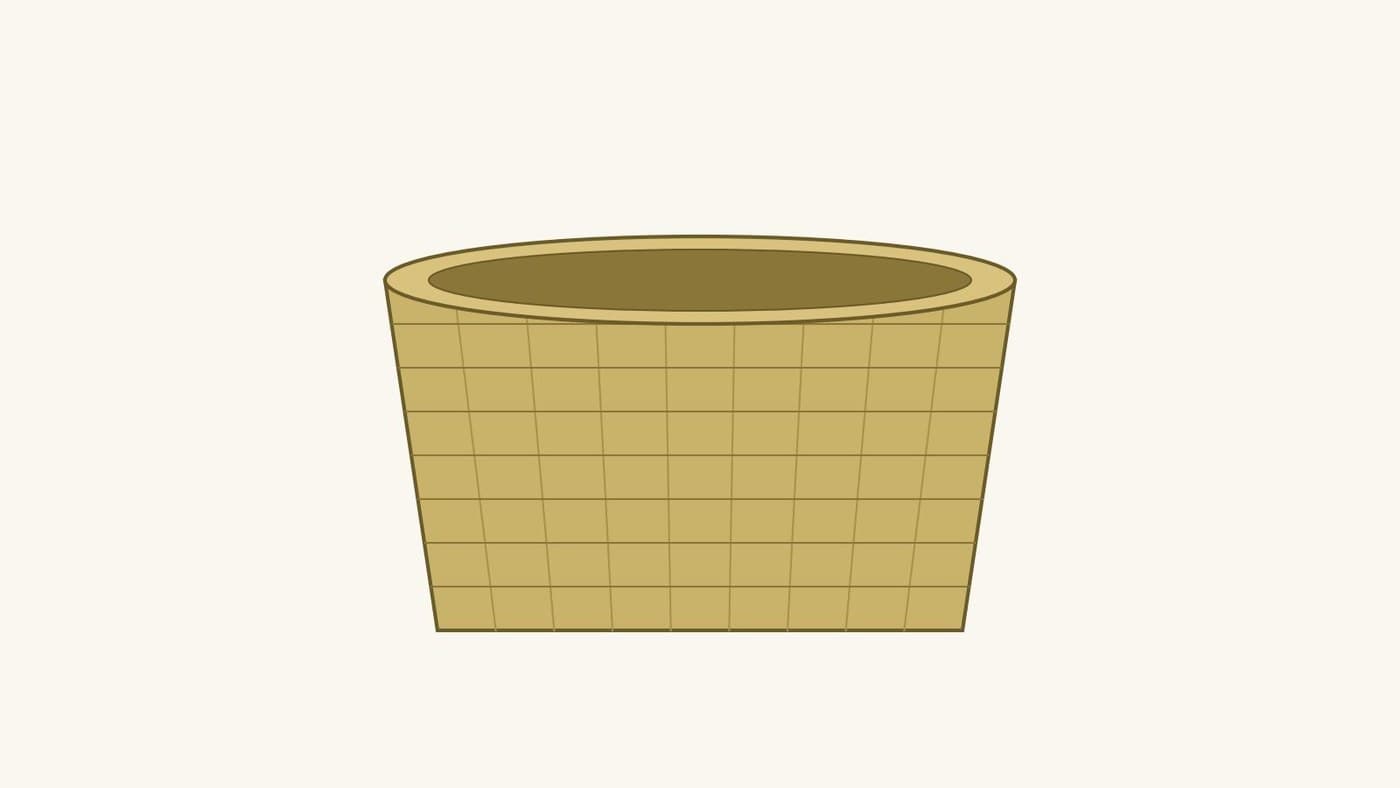
Rush Basket: Soaked Rush Plaited into a Base and Turned Up into Sides
láti ọwọ́ Tex
Aṣọ àti Awọ
13
0
0
0
0
0
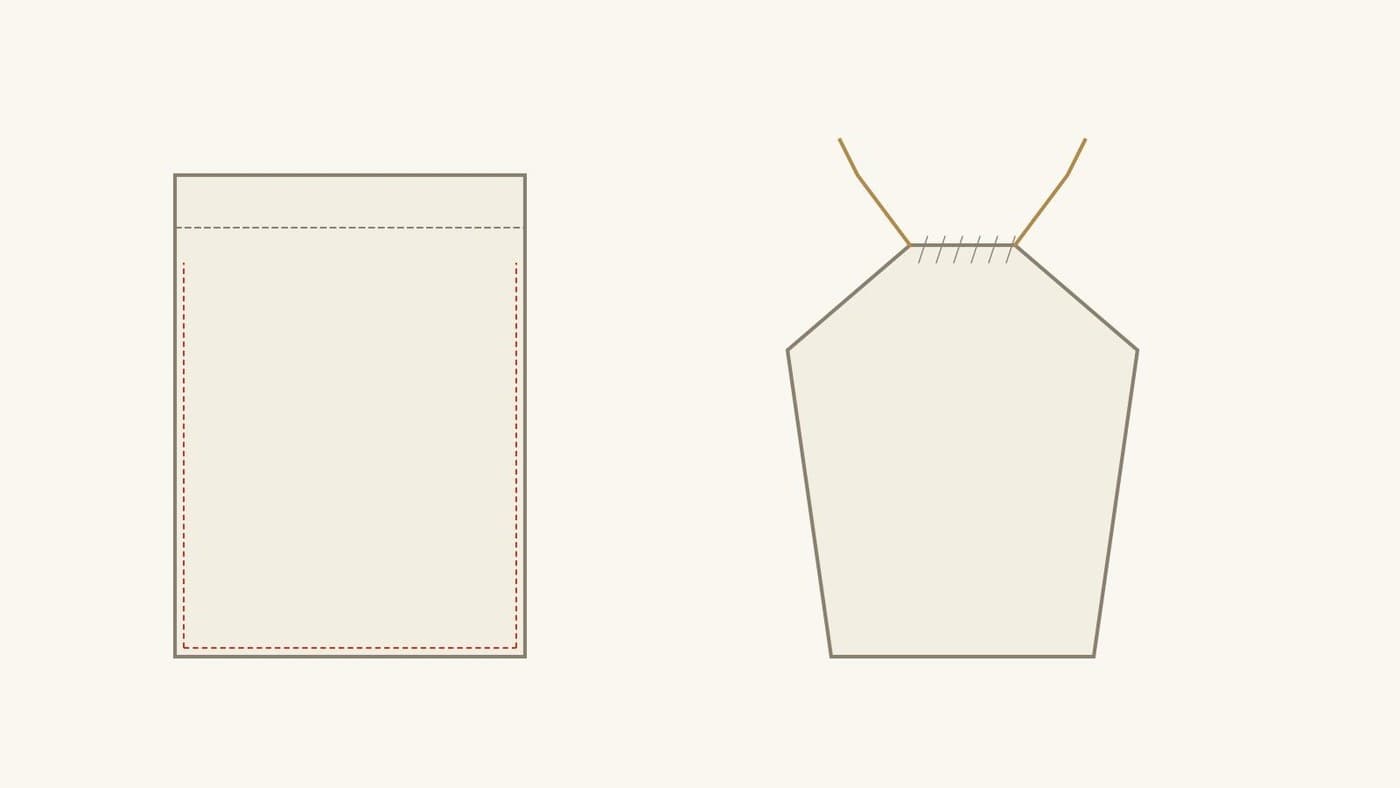
Cotton Drawstring Bag: Plain Cotton Sewn into a Bag with a Cord in a Casing
láti ọwọ́ Tex
Aṣọ àti Awọ
13
0
0
0
0
0
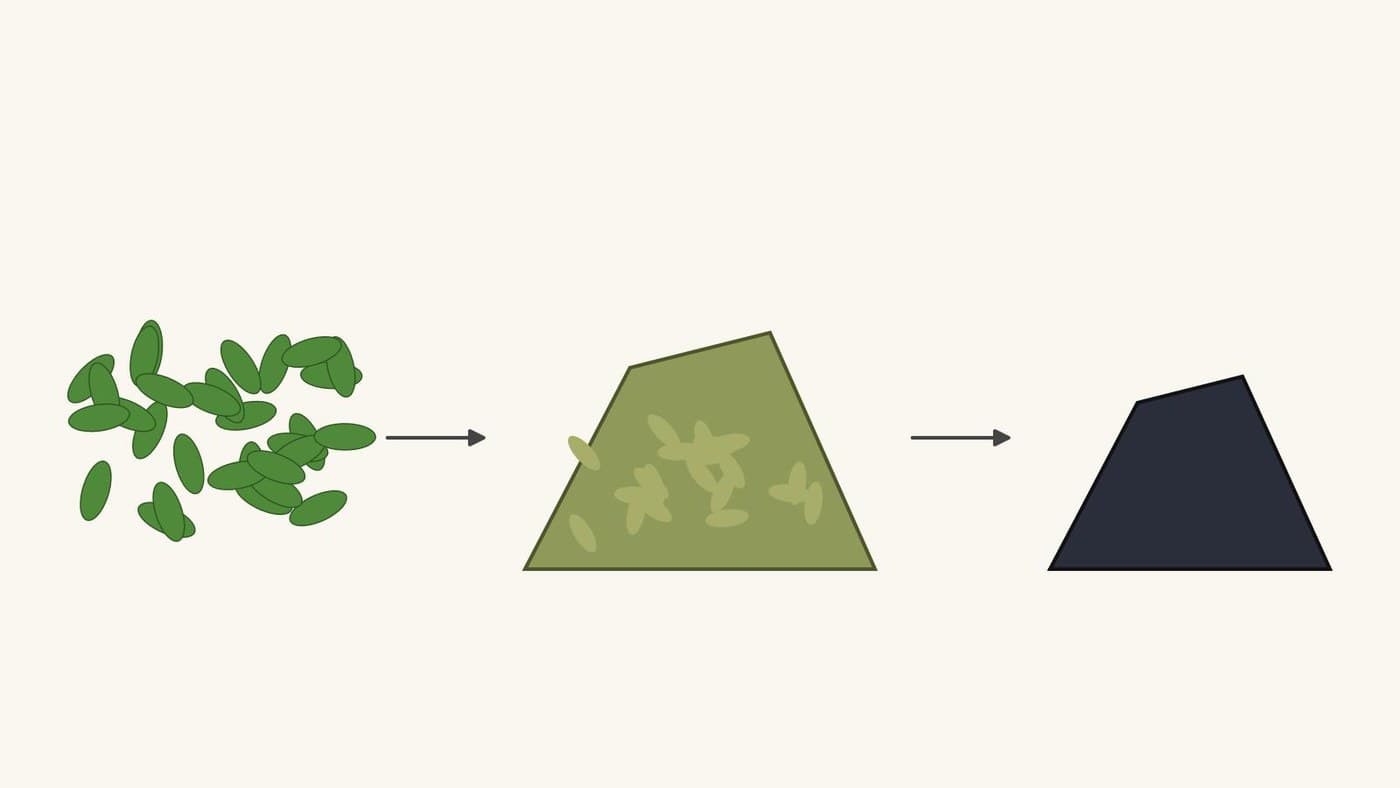
Sukumo: Dried Indigo Leaves Watered, Turned and Fermented for 75–90 Days
láti ọwọ́ Tex
Aṣọ àti Awọ
12
0
0
0
0
0
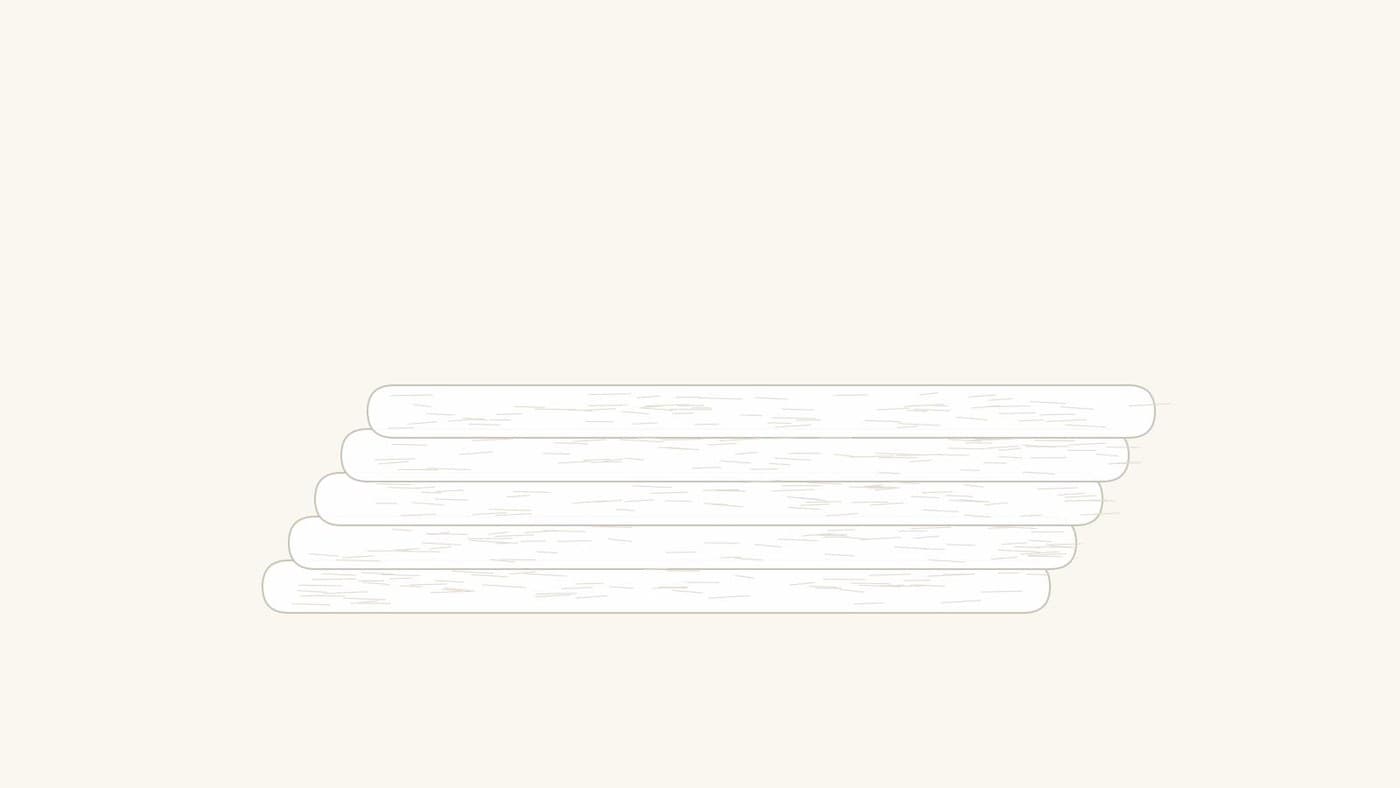
Cotton Padding: Hand-Carded Webs Layered into a Batt
láti ọwọ́ Tex
Aṣọ àti Awọ
14
0
0
0
0
0
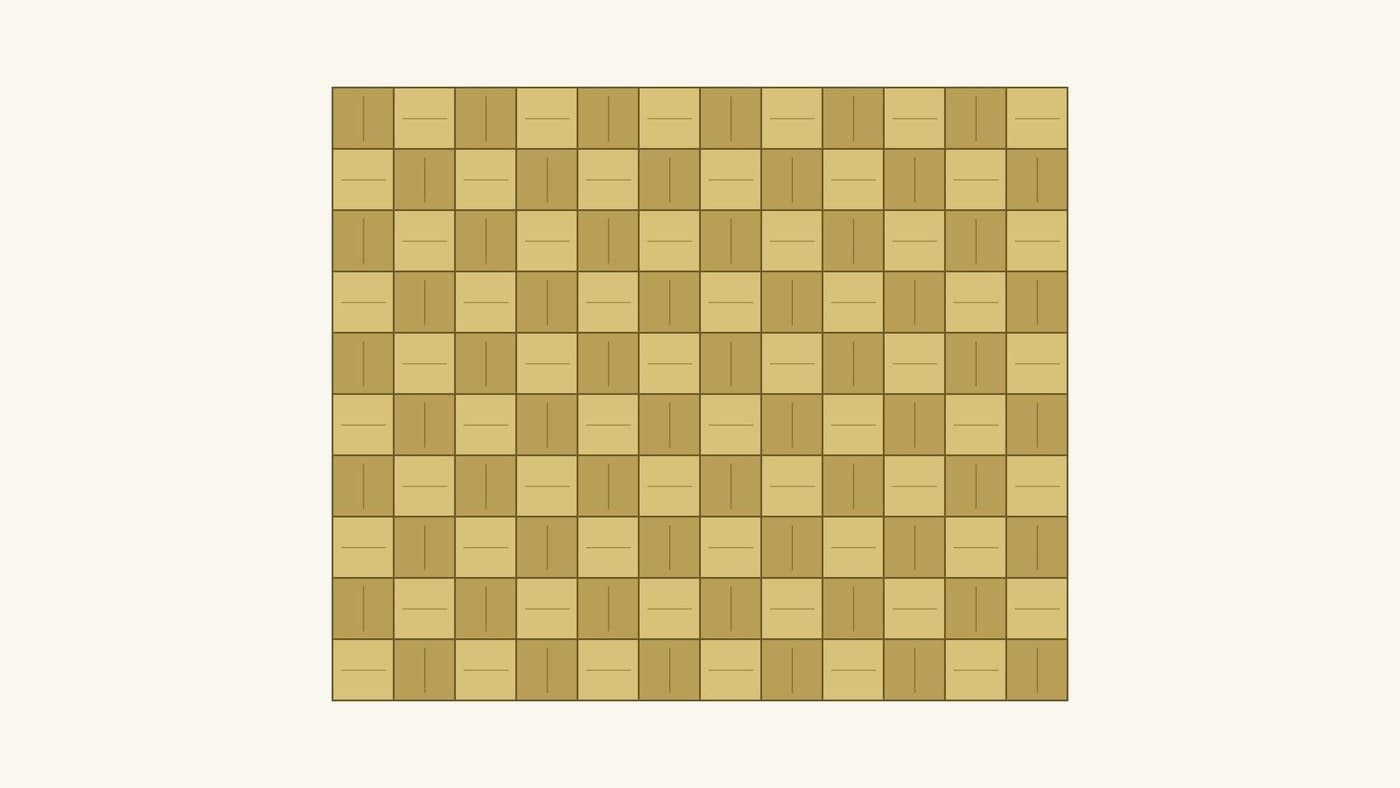
Palm-Leaf Drying Mat, Plaited Over-One Under-One
láti ọwọ́ Tex
Aṣọ àti Awọ
13
0
0
0
0
0
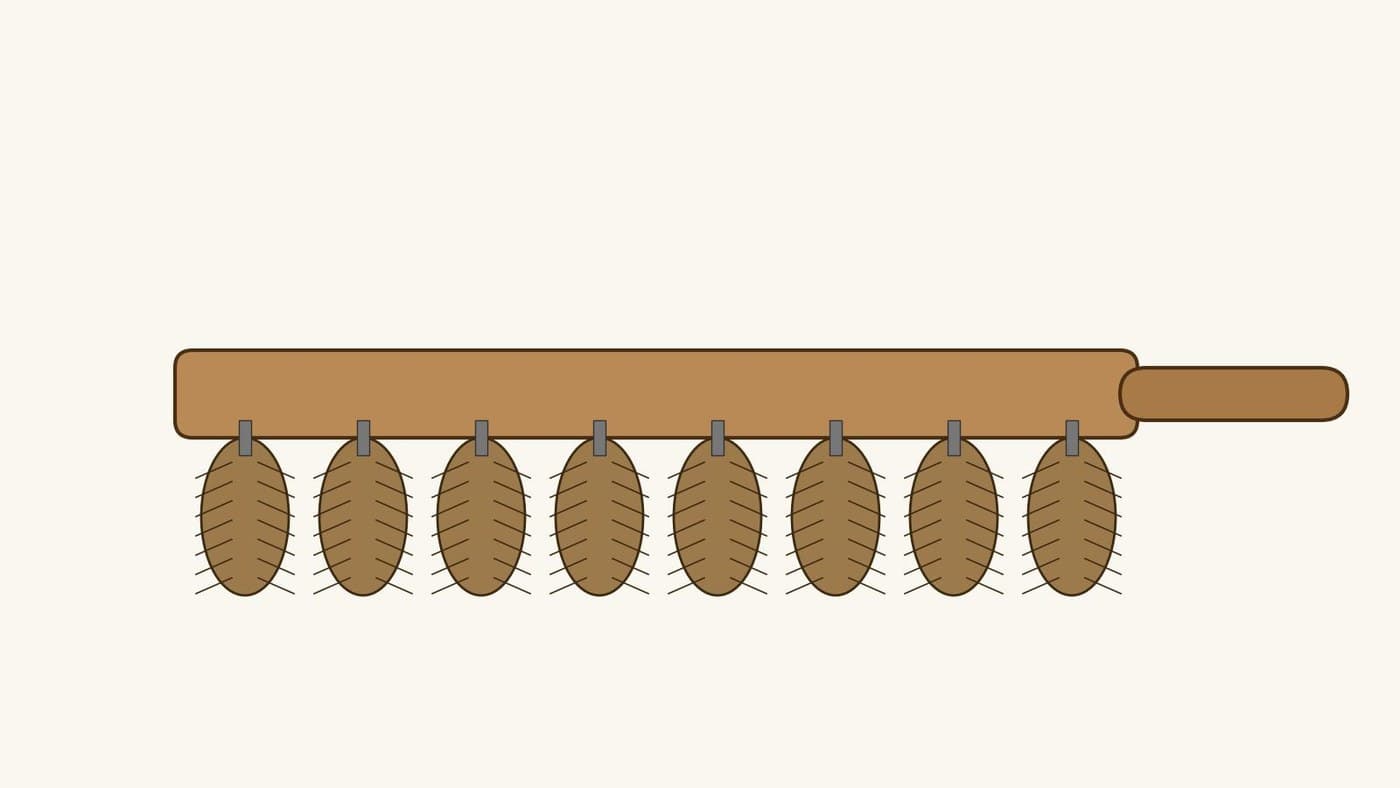
Teasel Napping Handle: Dried Heads Wired to a Board
láti ọwọ́ Tex
Aṣọ àti Awọ
19
0
0
0
0
0
Aged Urine (Lant): Stood a Few Days for Scouring and Fulling
láti ọwọ́ Tex
Aṣọ àti Awọ
8
0
0
0
0
0
Ń fi 24 nínú 344 hàn