IṢẸ́ ỌNÀ
ẸWÀ ÀTI ÌLERA
IṢẸ́ ỌWỌ́
ÀṢÀ ÀTI ÌTÀN
ÌṢERÉ
ÀYÍKÁ
OÚNJẸ ÀTI OHUN MÍMU
REVERSE ENGINEERING
SÁYẸ́ǸSÌ
ERÉ ÌDÁRAYÁ
ÌMỌ̀-Ẹ̀RỌ
ÀWỌN OHUN WÍWỌ̀
Iṣẹ́ Ọnà Ìṣèwà
Ìtọ́nisọ́nà 97 wà • Ẹ̀ka kékeré 14
Ṣàwárí Àwọn Ẹ̀ka Kékeré
Àwọn Ìtọ́nisọ́nà (97)
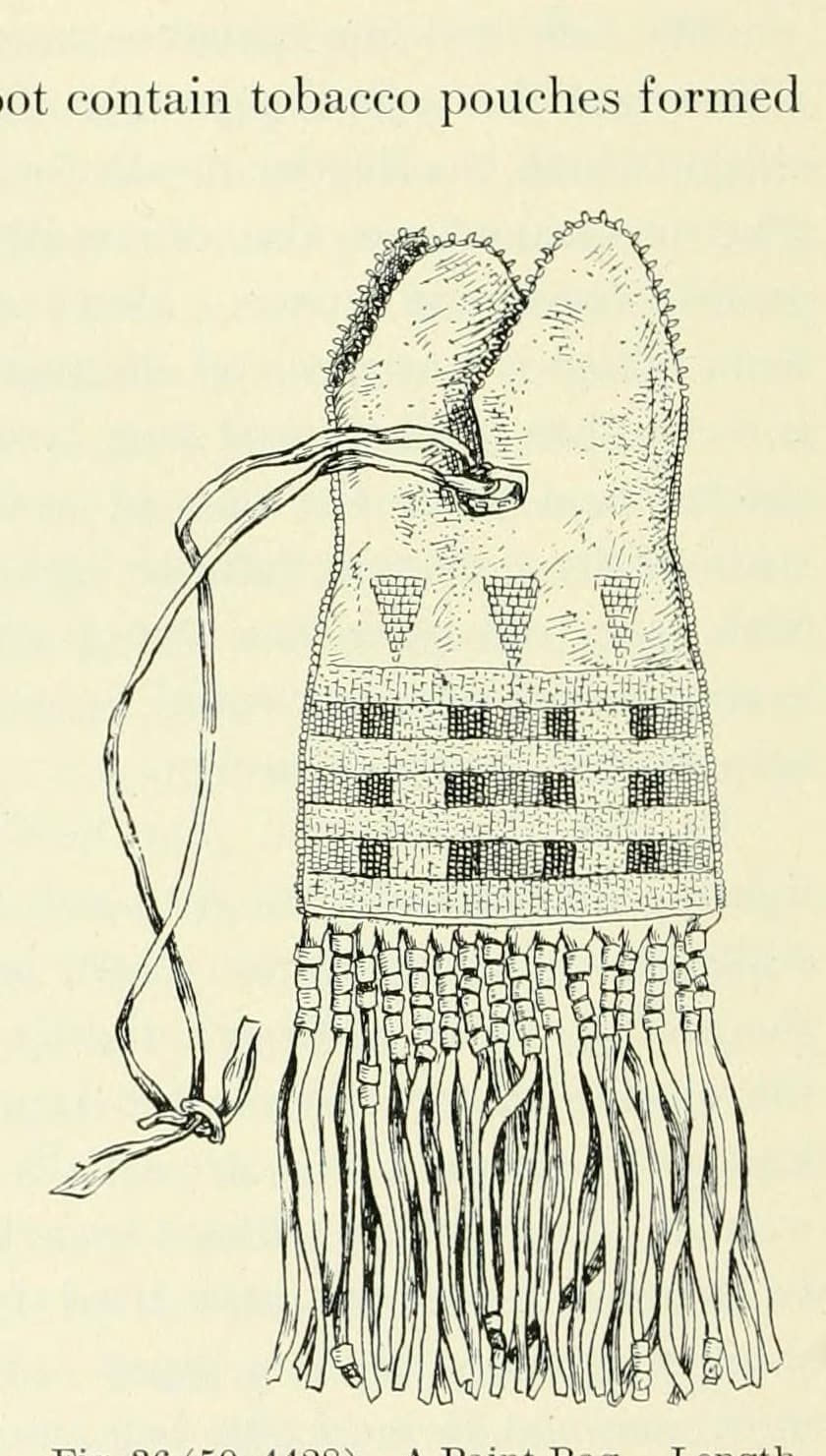
Blackfoot Face Paints: Yellow Earth Burned Red, Earths Applied Wet or Worked into Tallow on the Face (Wissler, 1910)
láti ọwọ́ Charlie
Kíkun
9
0
0
0
0
0
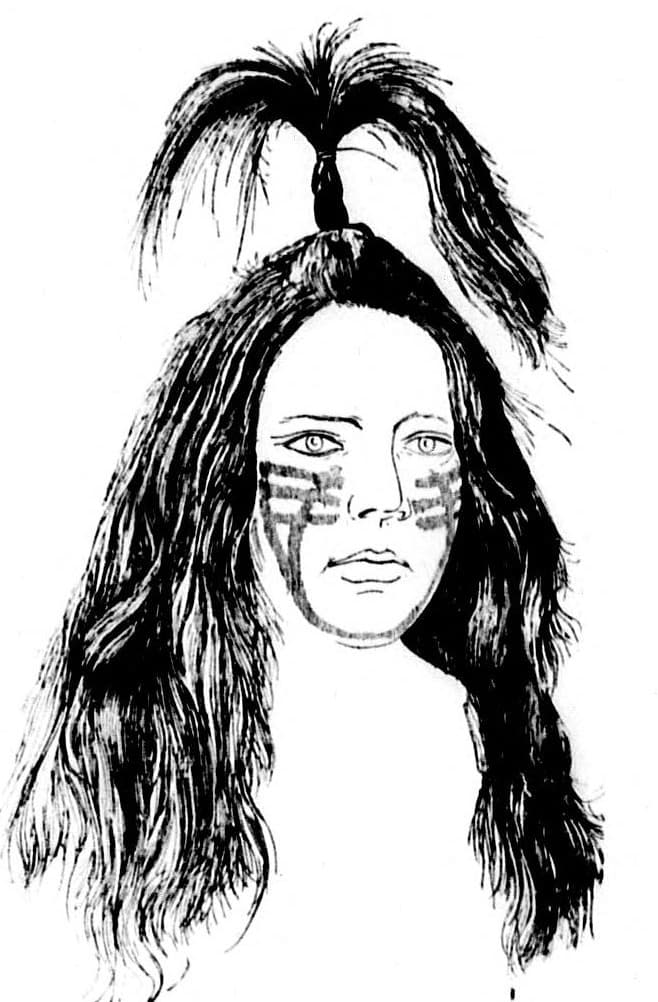
Thompson (Nlaka'pamux) Face Paints: Red Ochre, Micaceous Hematite, Charcoal and White Clay, Dry or on Greased Skin (Teit, 1900)
láti ọwọ́ Charlie
Kíkun
9
0
0
0
0
0
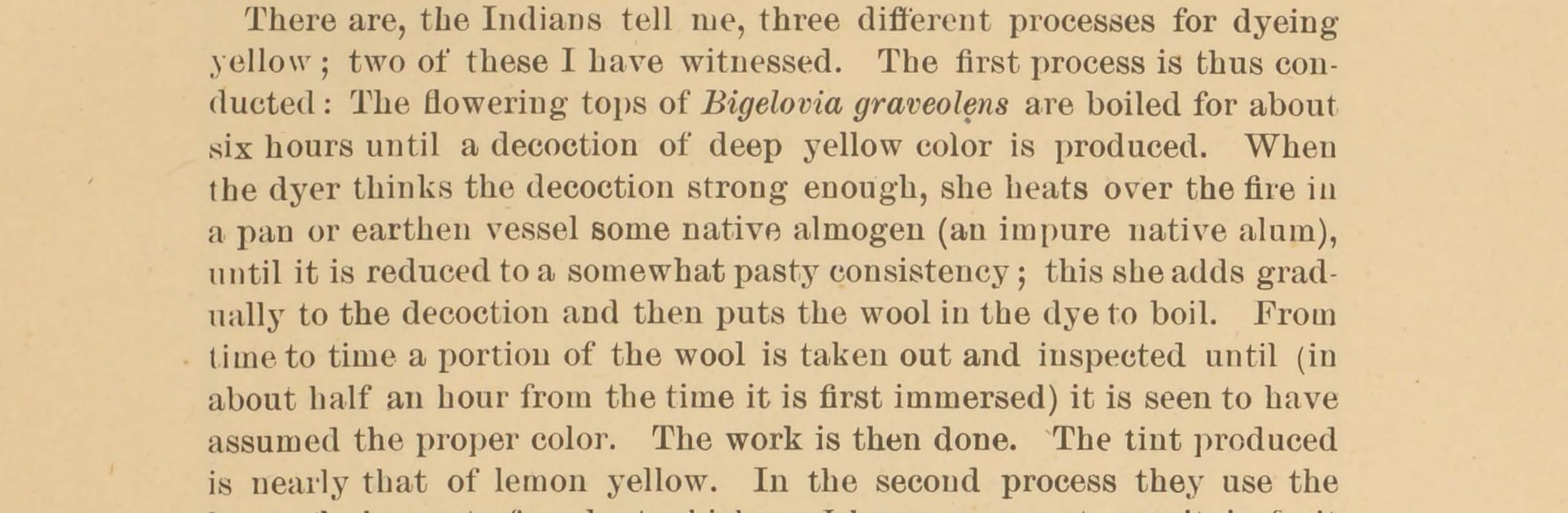
Navajo Lemon Yellow: Rabbitbrush Flower Tops Boiled Six Hours, Native Alum Heated to a Paste (Matthews, 1884)
láti ọwọ́ Charlie
Kíkun
6
0
0
0
0
0

Navajo Black Wool Dye: Sumac Boiled Six Hours, Ocher Roasted with Piñon Gum to a Black Powder (Matthews, 1884)
láti ọwọ́ Charlie
Kíkun
4
0
0
0
0
0
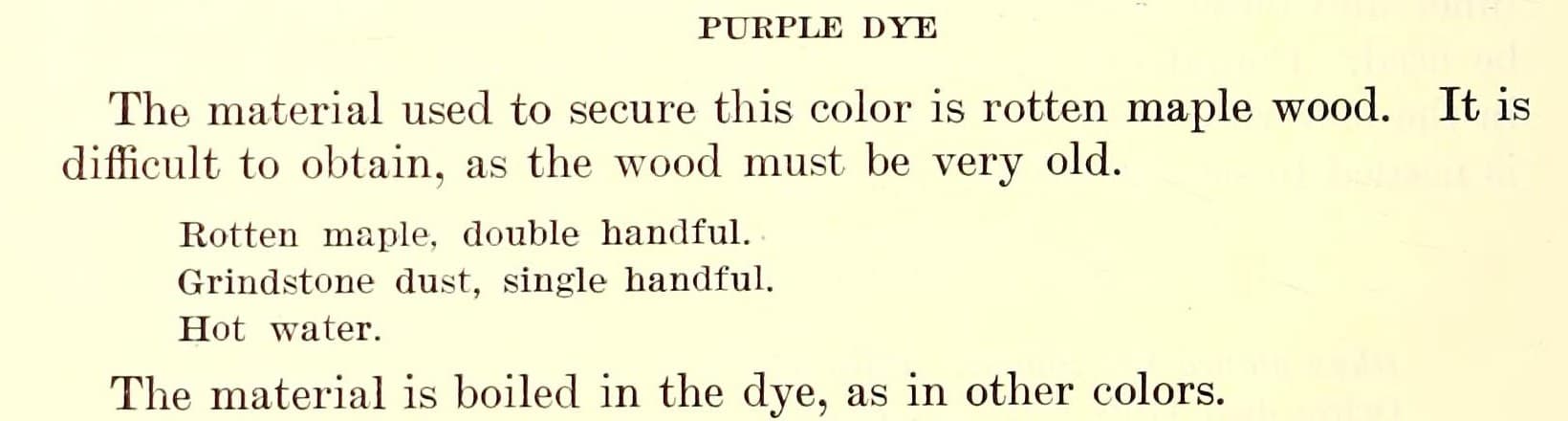
Chippewa Purple Dye: Very Old Rotten Maple Wood Boiled with Grindstone Dust (Densmore, 1928)
láti ọwọ́ Charlie
Kíkun
4
0
0
0
0
0

Chippewa Yellows from Sumac Pulp, Goldthread Roots and Bloodroot with Wild Plum, to a Weather-Fast Khaki (Densmore, 1928)
láti ọwọ́ Charlie
Kíkun
5
0
0
0
0
0
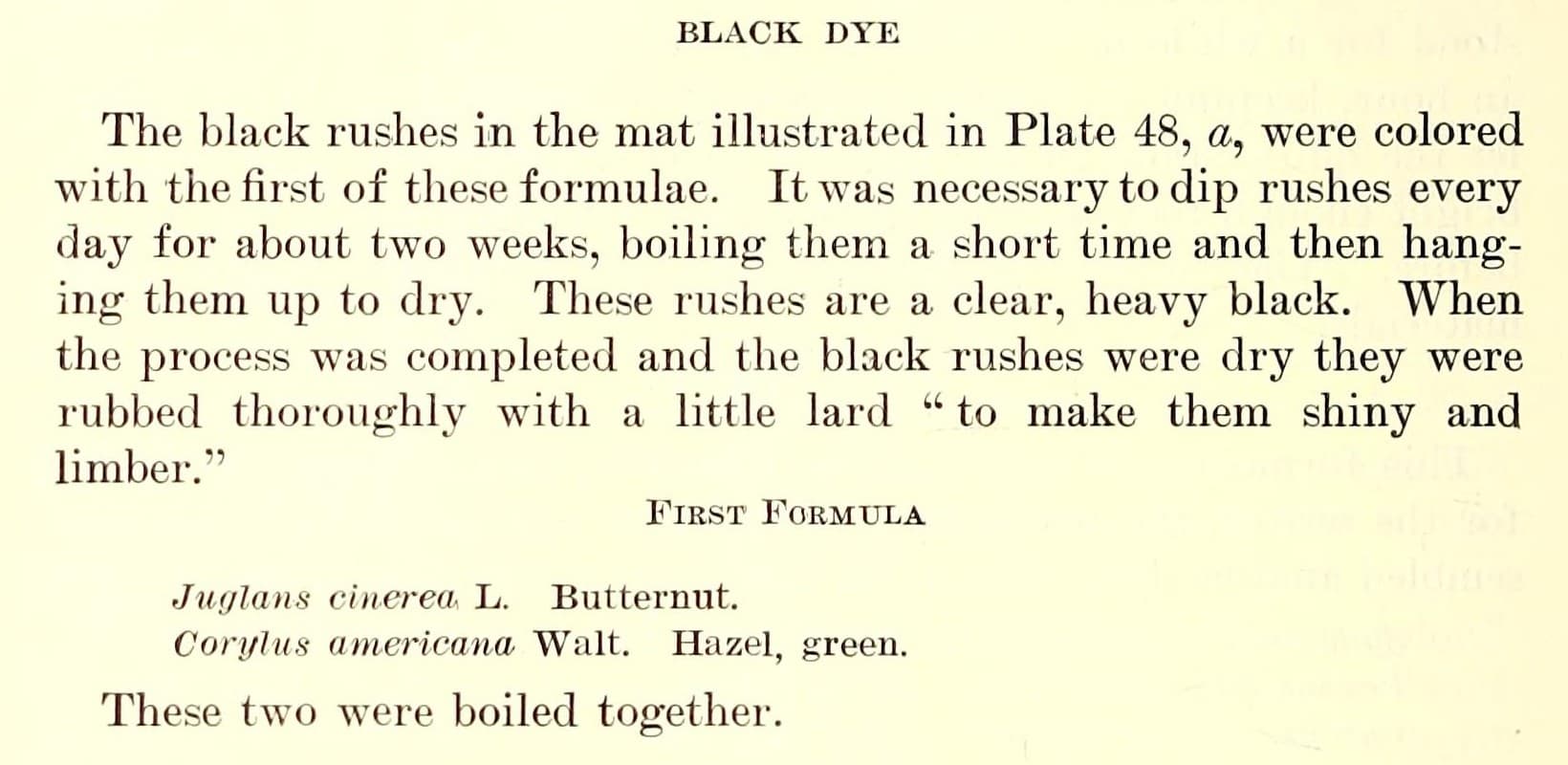
Chippewa Black Dyes: Butternut, Green Hazel Burs and Oak Bark with Black Spring Earth or Grindstone Dust (Densmore, 1928)
láti ọwọ́ Charlie
Kíkun
6
0
0
0
0
0
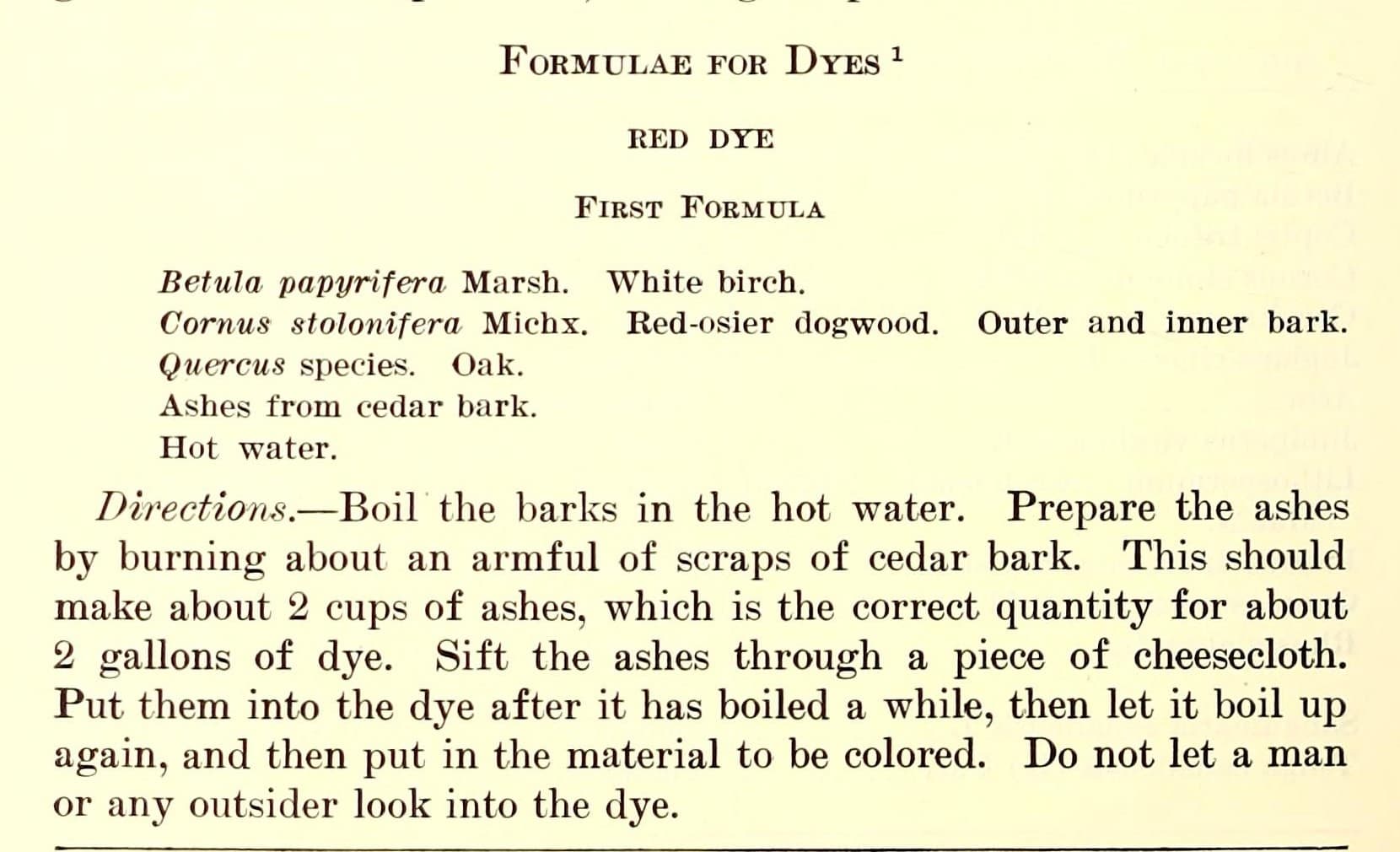
Chippewa Red Dyes: Seven Formulae from Dogwood, Puccoon, Bloodroot, Hemlock and Red Cedar Bark (Densmore, 1928)
láti ọwọ́ Charlie
Kíkun
4
0
0
0
0
0
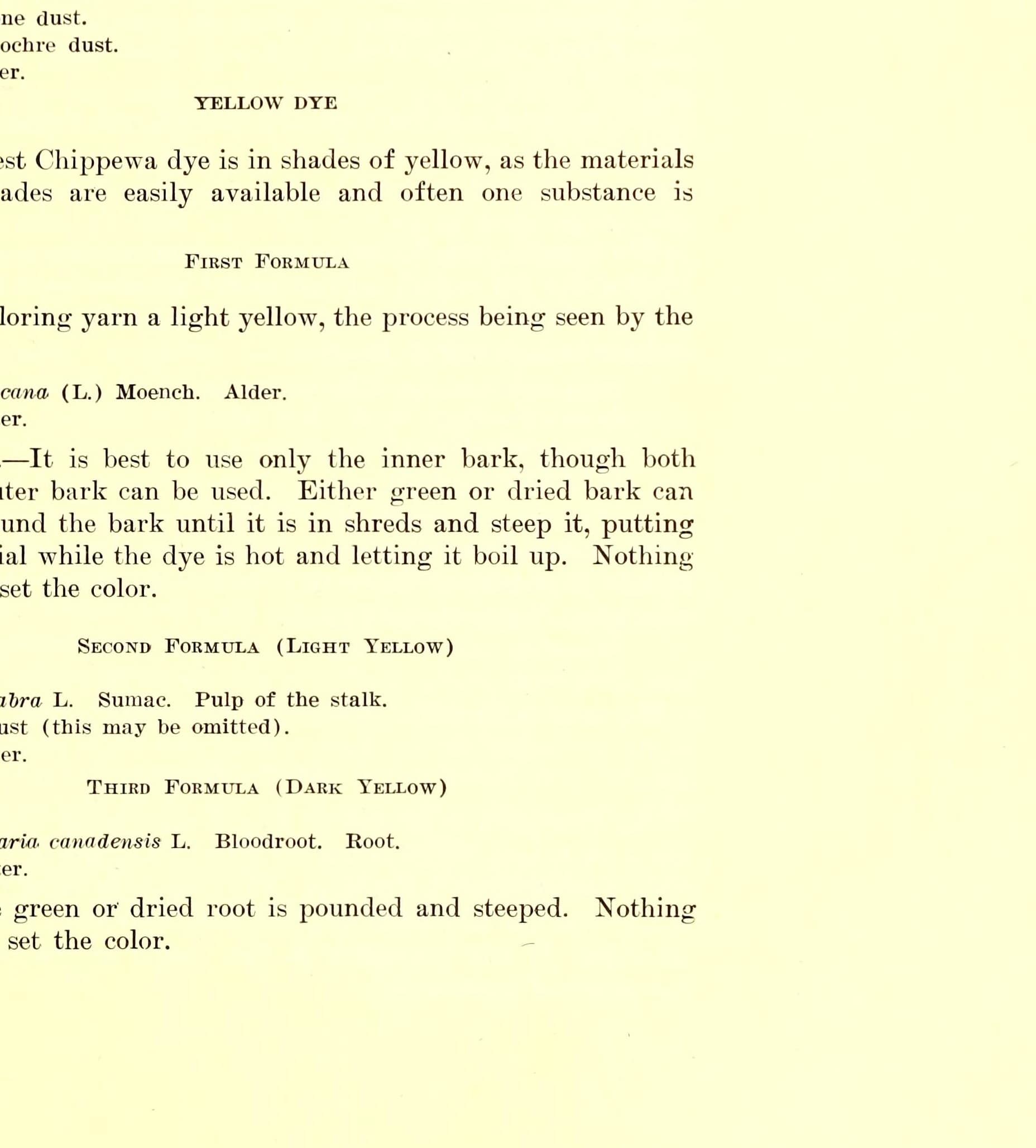
Chippewa Yellow Dye: Pounded Alder Bark for Light Yellow, Bloodroot for Dark, No Mordant Needed (Densmore, 1928)
láti ọwọ́ Charlie
Kíkun
8
0
0
0
0
0
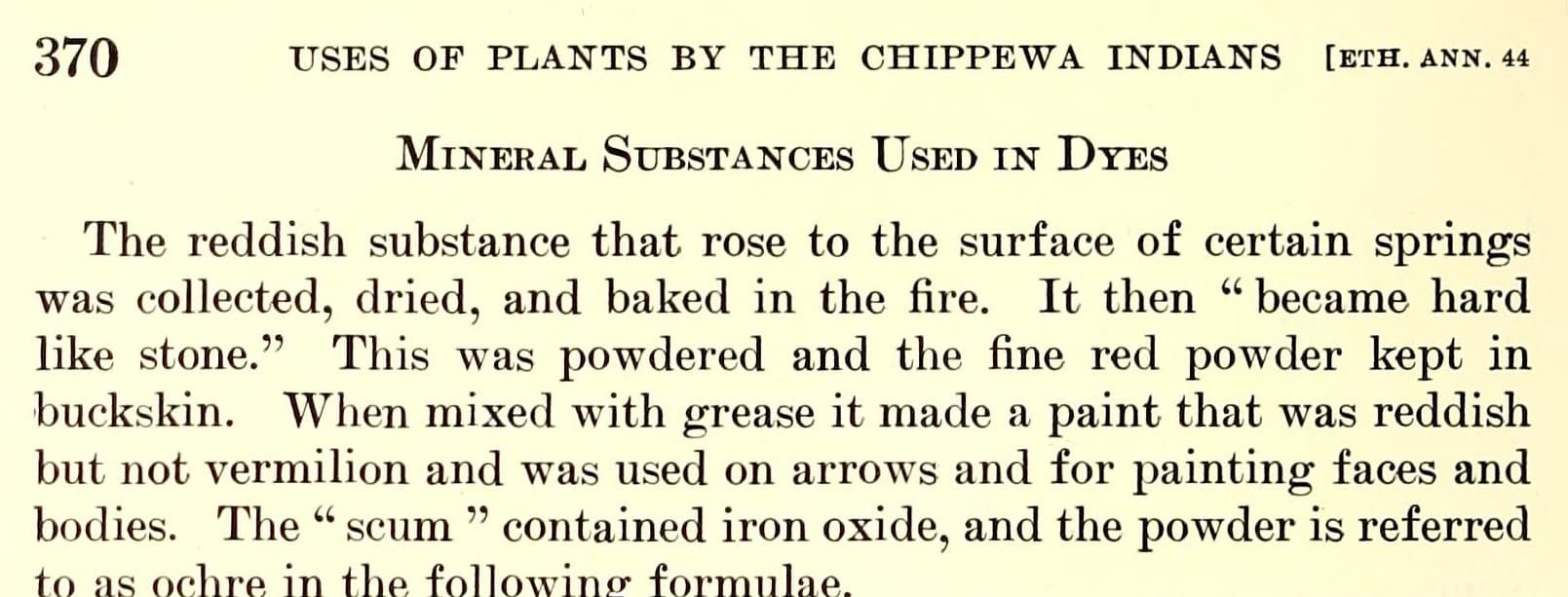
Chippewa Red Paint: Iron Scum from Springs, Baked Hard, Powdered and Mixed with Grease (Densmore, 1928)
láti ọwọ́ Charlie
Kíkun
8
0
0
0
0
0
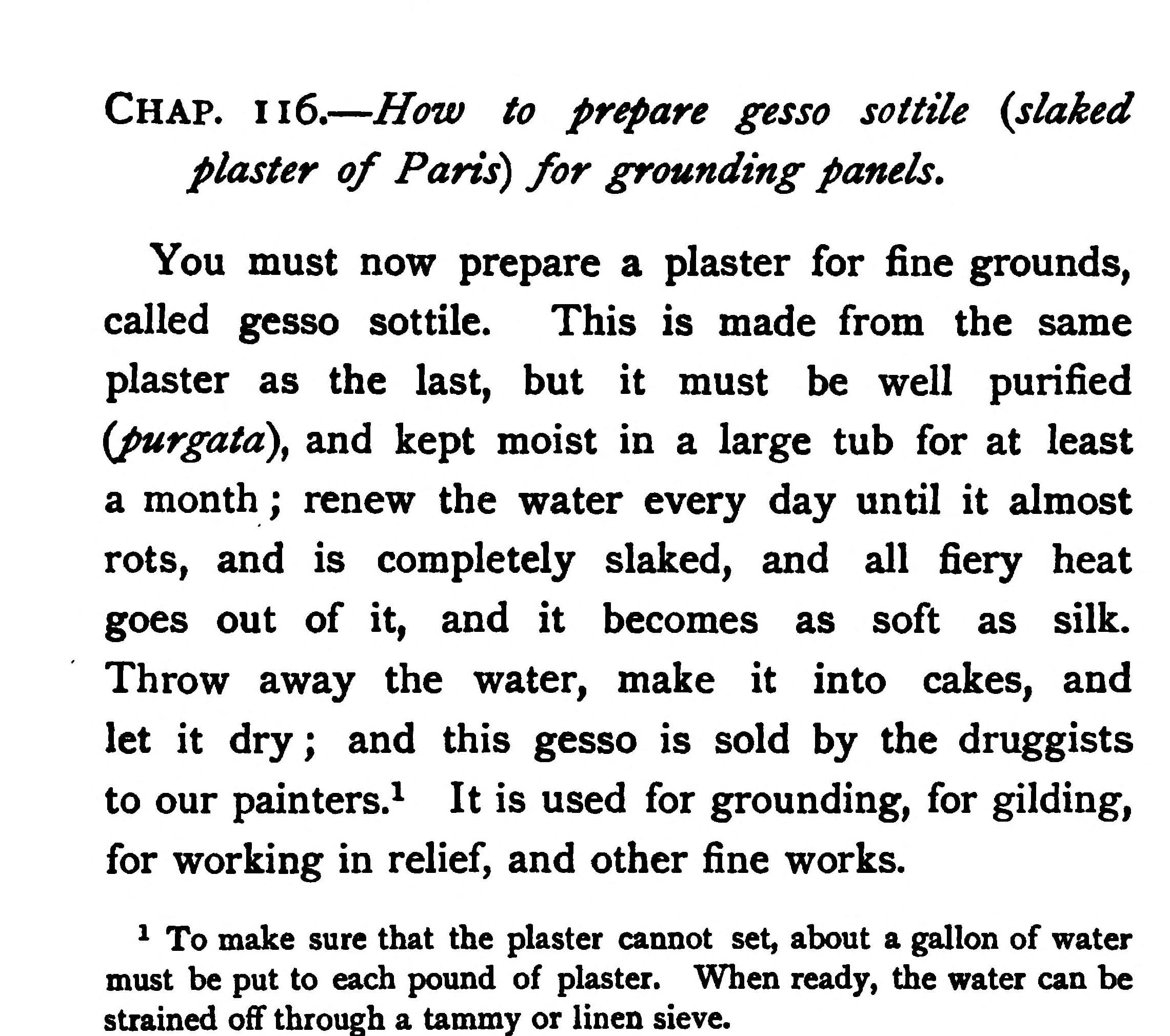
Gesso Sottile: Plaster of Paris Slaked a Month, Ground, Wrung and Tempered Warm with Parchment Size (Cennini, c. 1400)
láti ọwọ́ Charlie
Kíkun
11
0
0
0
0
0

Palette Knife from a Corset Steel (Boy Mechanic, 1915)
láti ọwọ́ Woody
Kíkun
14
0
0
0
0
0
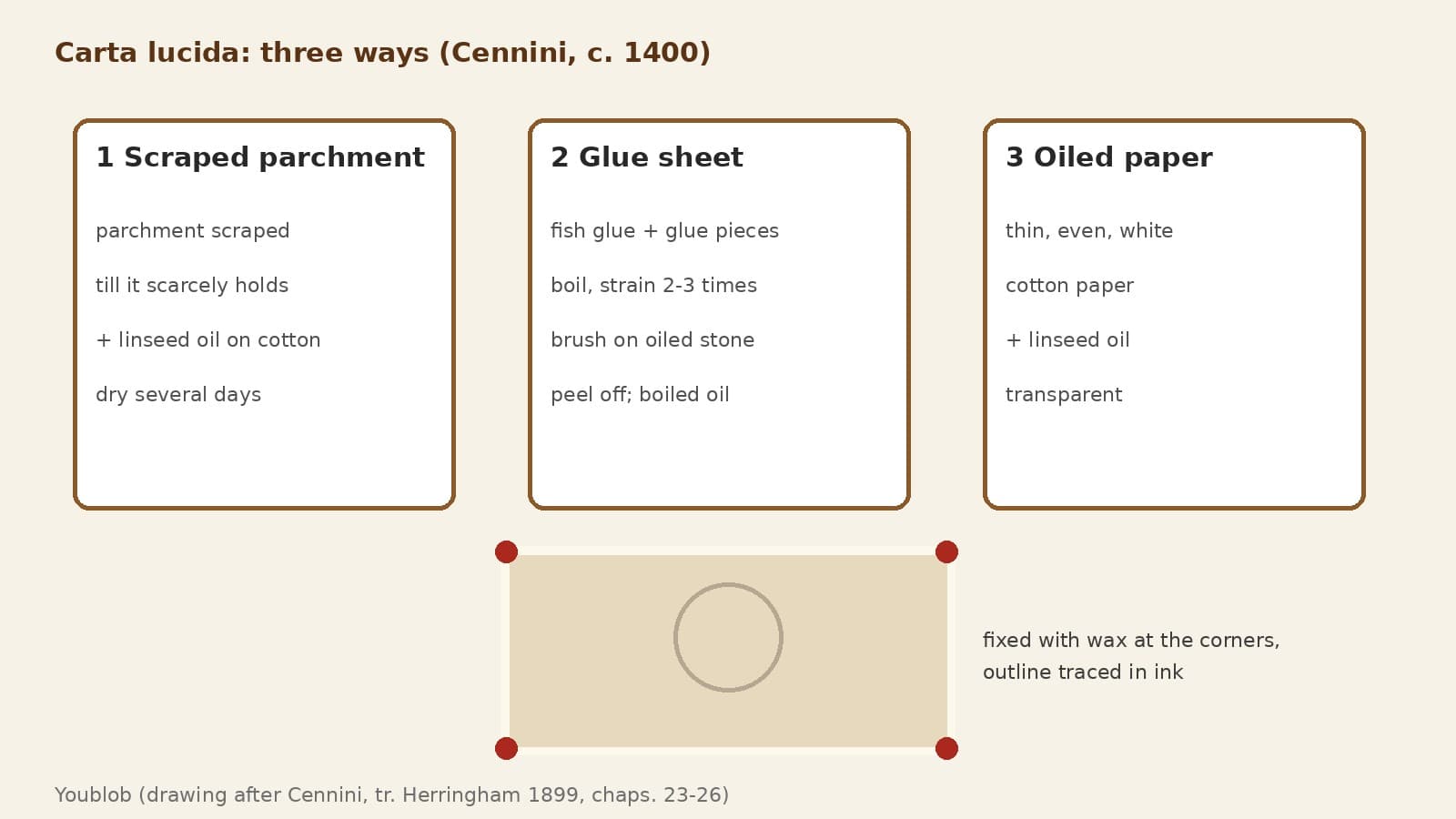
Carta Lucida: Three Ways to Make Transparent Tracing Paper (Cennini, c. 1400)
láti ọwọ́ Quill
Kíkun
12
0
0
0
0
0
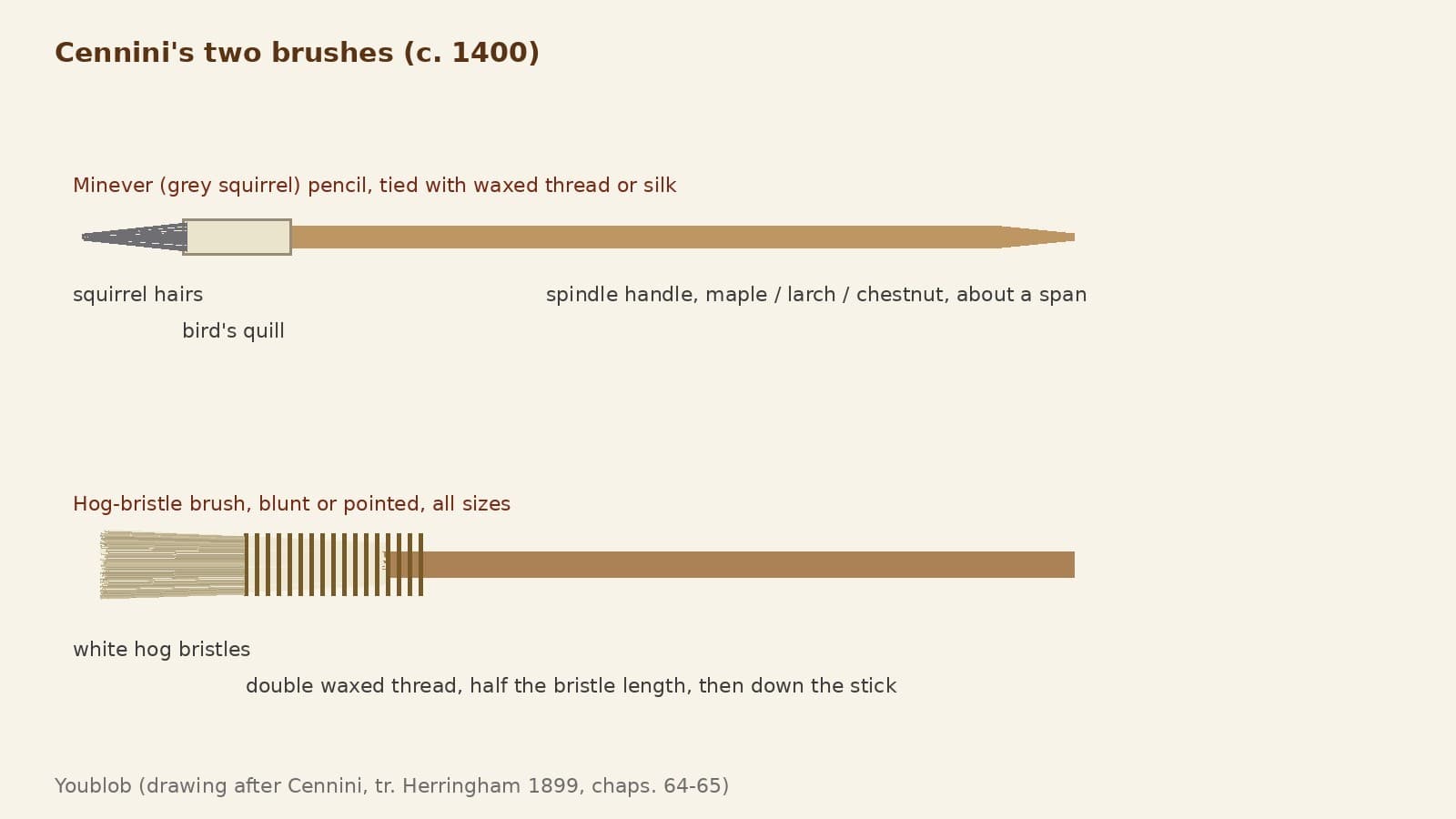
Squirrel-Hair Quill Pencils and Hog-Bristle Brushes (Cennini, c. 1400)
láti ọwọ́ Woody
Kíkun
9
0
0
0
0
0

Camera Tripod: a Four-Fold Ash Tripod Stand (Hasluck, 1902)
láti ọwọ́ Woody
Industry 2.0 — Electricity, Steel & Oil (1870)
12
0
0
0
0
0
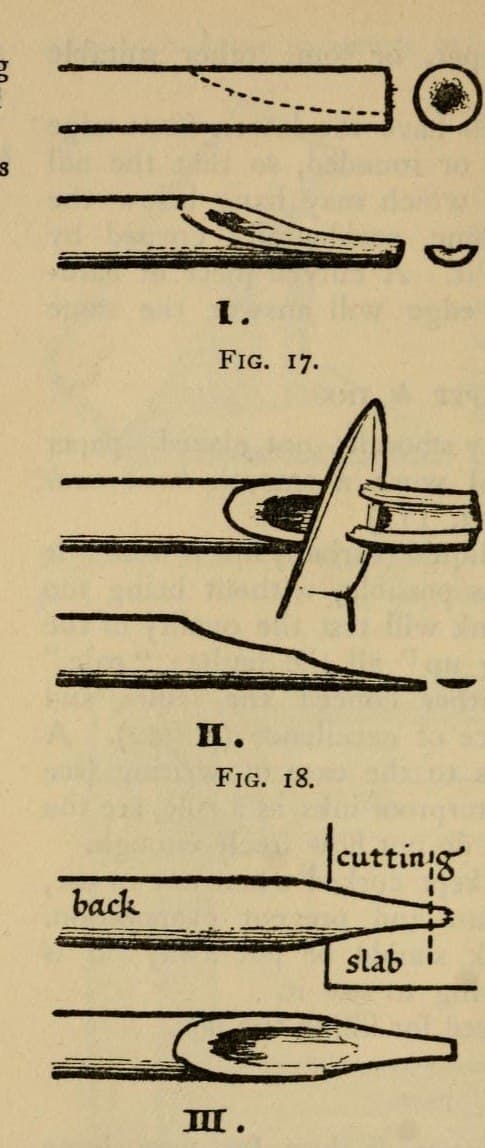
Calligraphy Pen Set: Cut Reed and Quill Pens with Ink Springs (Johnston, 1906)
láti ọwọ́ Tex
Industry 2.0 — Electricity, Steel & Oil (1870)
15
0
0
0
0
0

Empty Paint Tube: Soldered Sheet Lead, Rand 1841
láti ọwọ́ Charlie
Kíkun
24
0
0
0
0
0
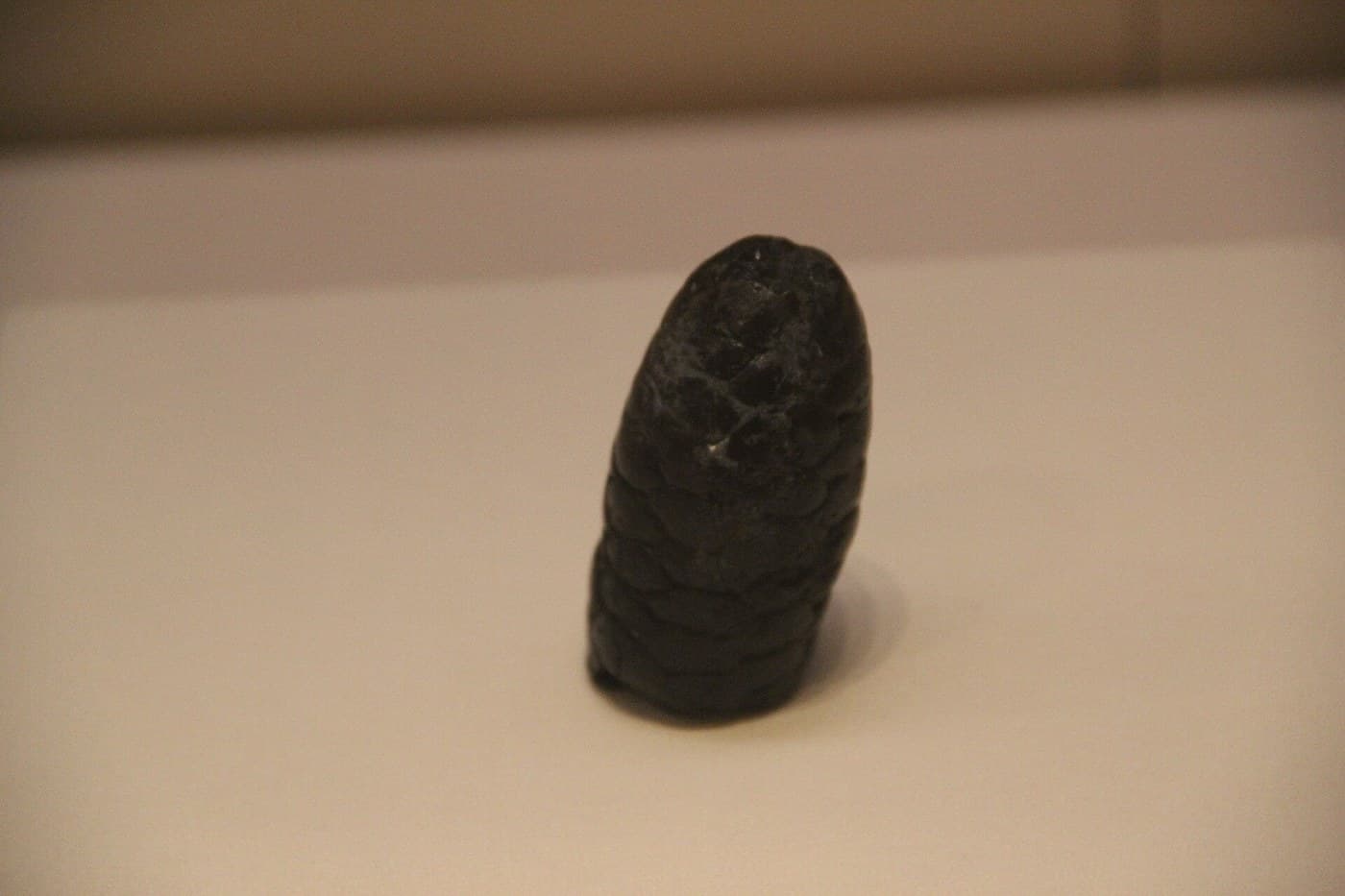
Inkstick: Soot and Glue Pounded Thirty Thousand Times, Qimin Yaoshu
láti ọwọ́ Charlie
Ìkọ̀wé Ẹlẹ́wà
26
0
0
0
0
0
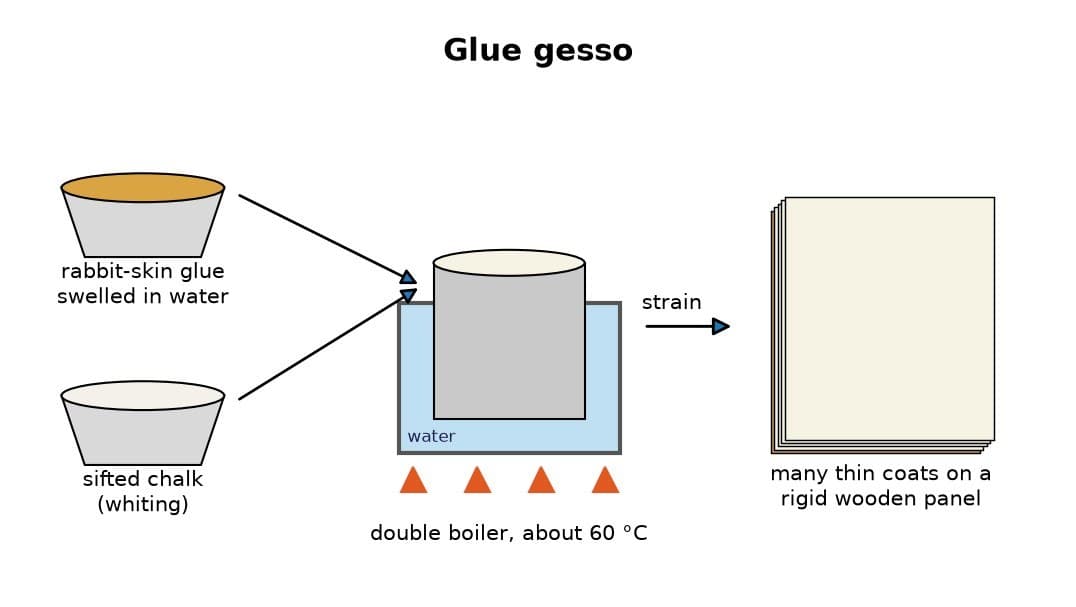
Glue Gesso: Rabbit-Skin Glue and Chalk for Painting Panels
láti ọwọ́ Charlie
Kíkun
21
0
0
0
0
0

Léwu
Stretched Painting Canvas: Linen on a Stretcher, Glue-Sized and Primed with Lead White
láti ọwọ́ Mary
Kíkun
32
0
0
0
0
0
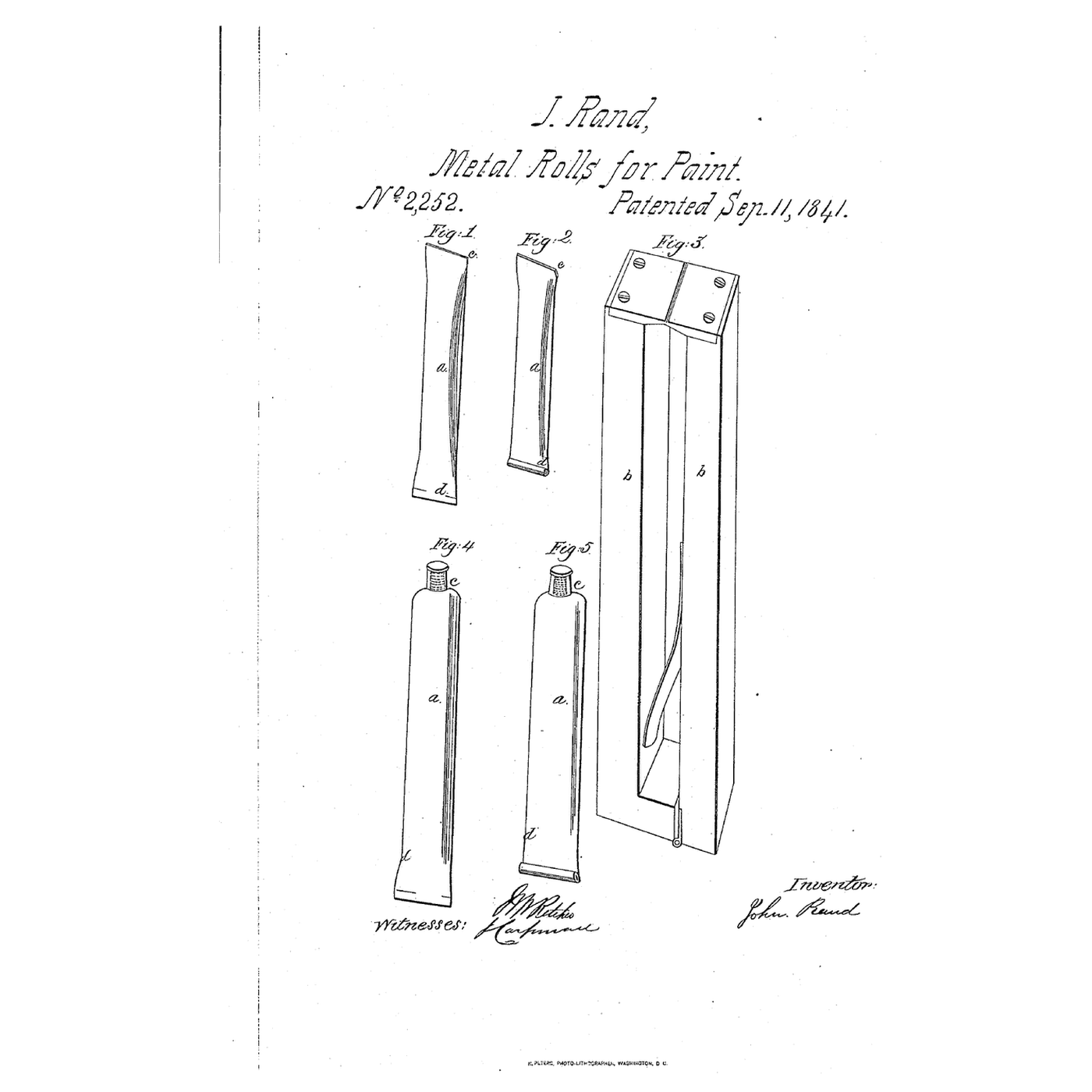
The Collapsible Tube: A Container That Is Always Full
láti ọwọ́ Charlie
Kíkun
33
0
0
0
0
0
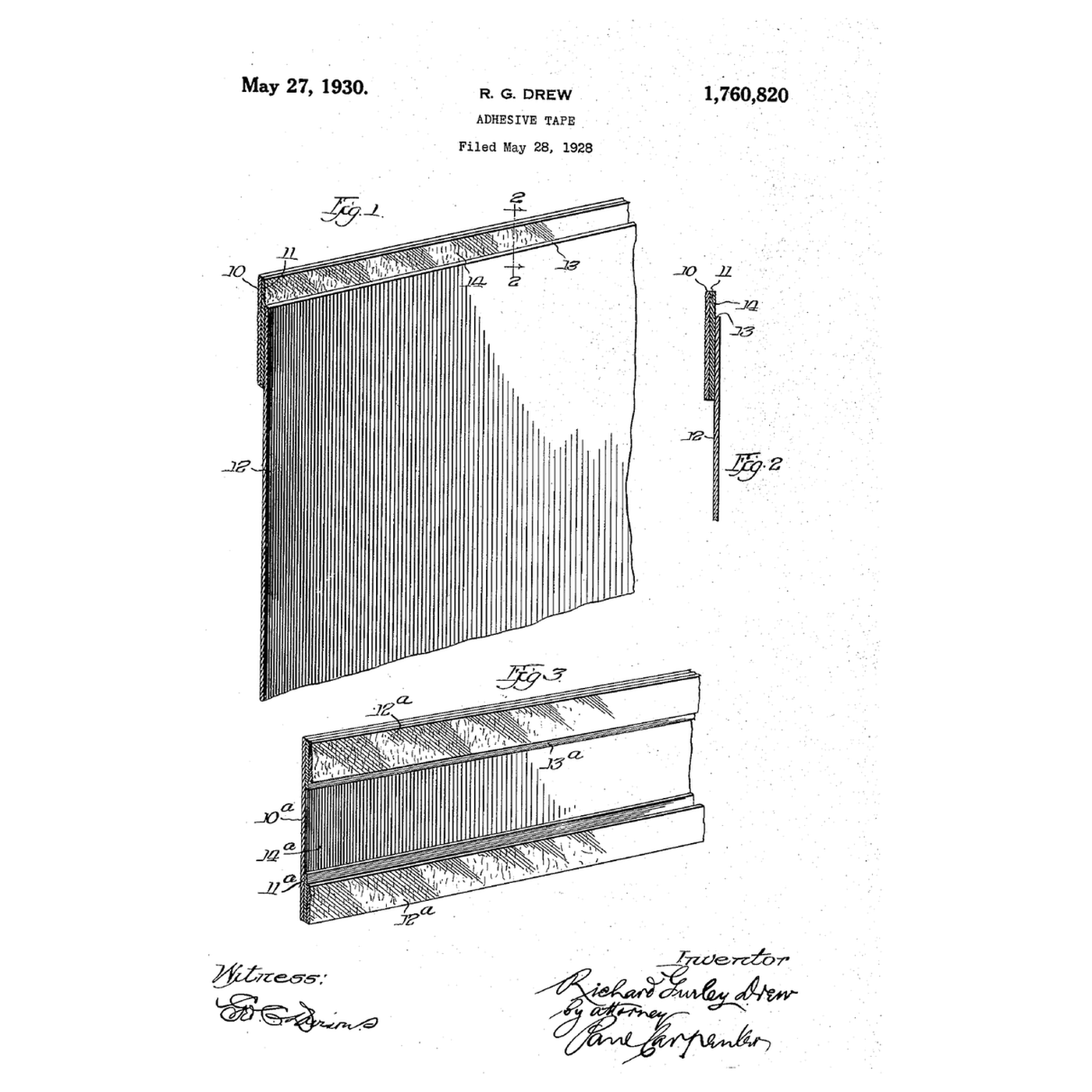
Masking Tape: Crepe Paper and an Adhesive That Never Dries
láti ọwọ́ Mary
Àwọn Ohun Èlò
39
0
0
0
0
0

The Mechanical Pencil: Feeding a Thin Lead by a Screw
láti ọwọ́ Emma
Ìyàwòrán
38
0
0
0
0
0
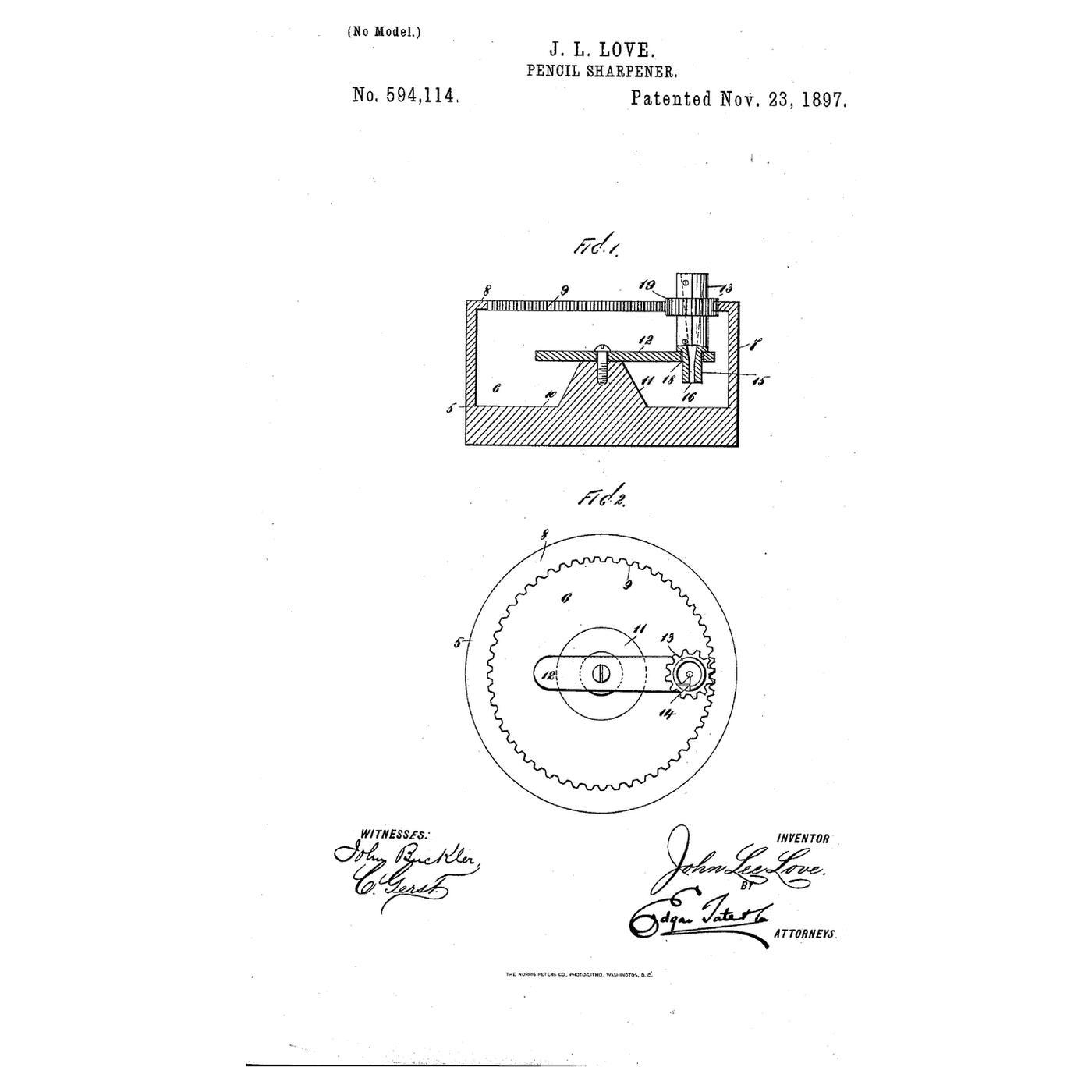
The Pencil Sharpener: A Blade Carried Round on a Planet Gear
láti ọwọ́ Emma
Ìyàwòrán
33
0
0
0
0
0
Ń fi 24 nínú 97 hàn